 ™
™
Two viral potholes filled in days. L.A. largely stopped full-street repaving in 2025, Streetsblog reports.
Streetsblog Los Angeles reports the city's Bureau of Street Services shifted to resurfacing streets without sidewalks, which avoids Measure HLA and federal accessibility rules. Many of those streets, per the city, are already in good shape.
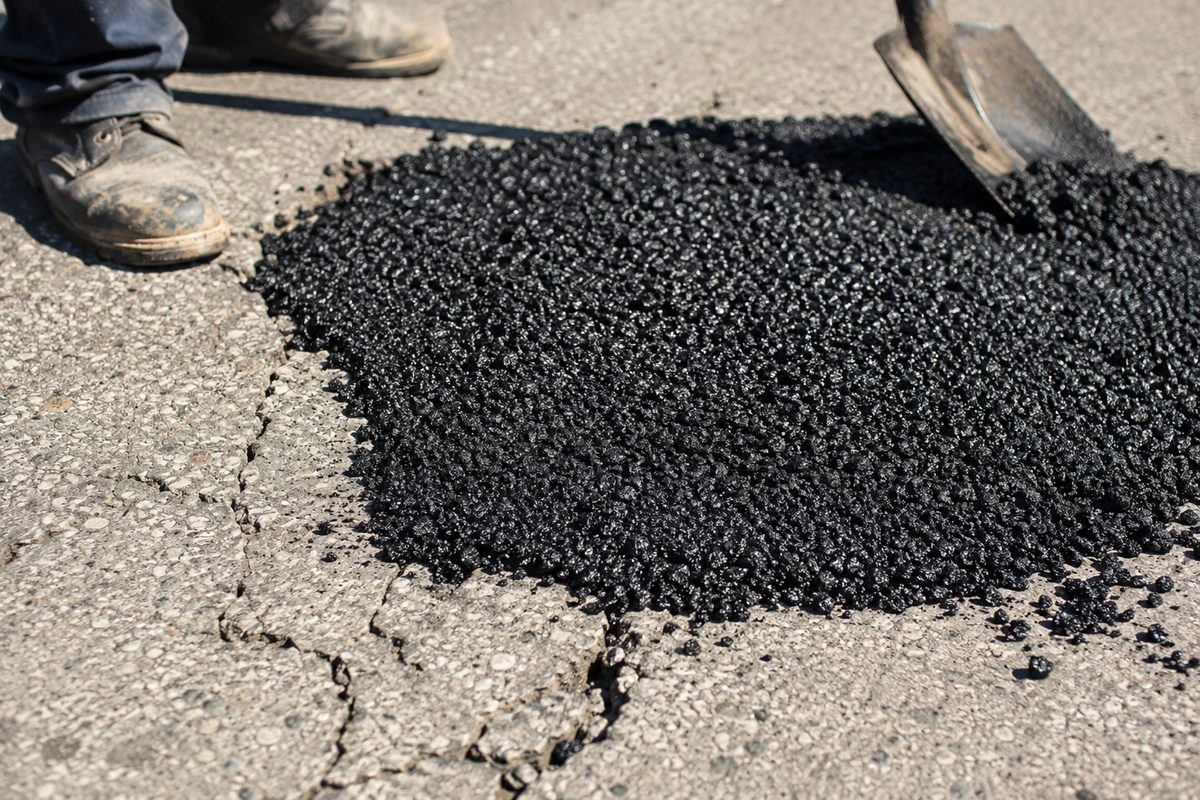
A pothole near Melrose Avenue was filled a day after a Los Angeles comedian asked Mayor Karen Bass on Instagram to fix it. A second hole, described as car-sized, was repaired two days after the mayor answered the journalist who had already reported it to the city, Streetsblog Los Angeles reported on August 19, 2026. The account carries no citywide figures: not the number of open pothole requests, not the wait between a resident's report and a crew.
That gap is the part that matters for everyone without a following. Two potholes moved because they were posted. The schedule that governs the rest of the grid changed twice between July 2025 and April 2026, the outlet reported.
The videos
The template came from New York City, where Mayor Zohran Mamdani has repeatedly emphasized pothole filling. When an Instagram user asked him to fill two holes, they were filled the same day, Streetsblog reported. L.A. comedian Simone Boyce then posted her own video asking Bass to “Mamdani” a pothole near Melrose Avenue.
Bass responded. A parked car kept the city from filling the hole that day, and some criticized the mayor for declaring victory on social media before the work was done, per the outlet. The hole was filled the next day. Writer and journalist Alissa Walker, of Torched and L.A. Podcast, then asked Bass to fix a car-sized hole she had already reported to the city. Crews repaired it two days after the mayor replied.
Why the holes are there
Street conditions turn on budget priorities, weather and traffic, Streetsblog reported. Last winter was wetter than average, which wears asphalt faster. The city is in the second year of a fiscal crunch, with fewer workers out fixing and maintaining streets. Walker also noted that Los Angeles has no multi-year Capital Infrastructure Program to steer spending toward basic maintenance.
The repaving rules changed, and so did the streets
Two laws now attach to resurfacing. Measure HLA, the Healthy Streets L.A. initiative approved by voters in 2024, requires the city to install planned bus, bike and walk improvements when it resurfaces certain streets. The federal Public Right of Way Accessibility Guidelines under the Americans with Disabilities Act, which became law in 2025, require accessibility improvements during resurfacing.
The Bureau of Street Services, the Department of Public Works unit known as StreetsLA, essentially paused resurfacing on Mobility Plan network streets in 2024, the outlet reported. In July 2025 it almost entirely stopped basic curb-to-curb resurfacing and switched to a partial-street method it called “Large Asphalt Repair.” Streetsblog described that method as ineffective and inefficient, with a tightened bureau budget accomplishing less.
Advocates argued the method did trigger both HLA and the accessibility guidelines, and the city abruptly dropped it around April 2026, per Streetsblog. What followed, the outlet reported, was a shift to resurfacing streets without sidewalks, which avoids both requirements and concentrates the work in well-off suburban and hillside areas. Many of those streets are already in good shape, according to the city as cited by Streetsblog, and do not need resurfacing.
The article's author, Joe Linton, discloses that he was among the advocates challenging Large Asphalt Repair, acting in a non-work capacity.
Not in the piece: repair counts, the current-year resurfacing budget line, or how long a MyLA311 pothole request sits before it is closed. Two potholes have documented timelines. Both clocks started with a reply from the mayor.
Source: la.streetsblog.org, retrieved August 25, 2026.
From the Handbook: Pothole Damage Claim in Los Angeles: How to File
Comments 0