 ™
™Bass Ordered a Review of LAPD's Mental Health Response. The Controller Finished One in October 2025.
The directive gives a hired firm six months. The 2025 audit found 86% of SMART calls ended in an involuntary hold.
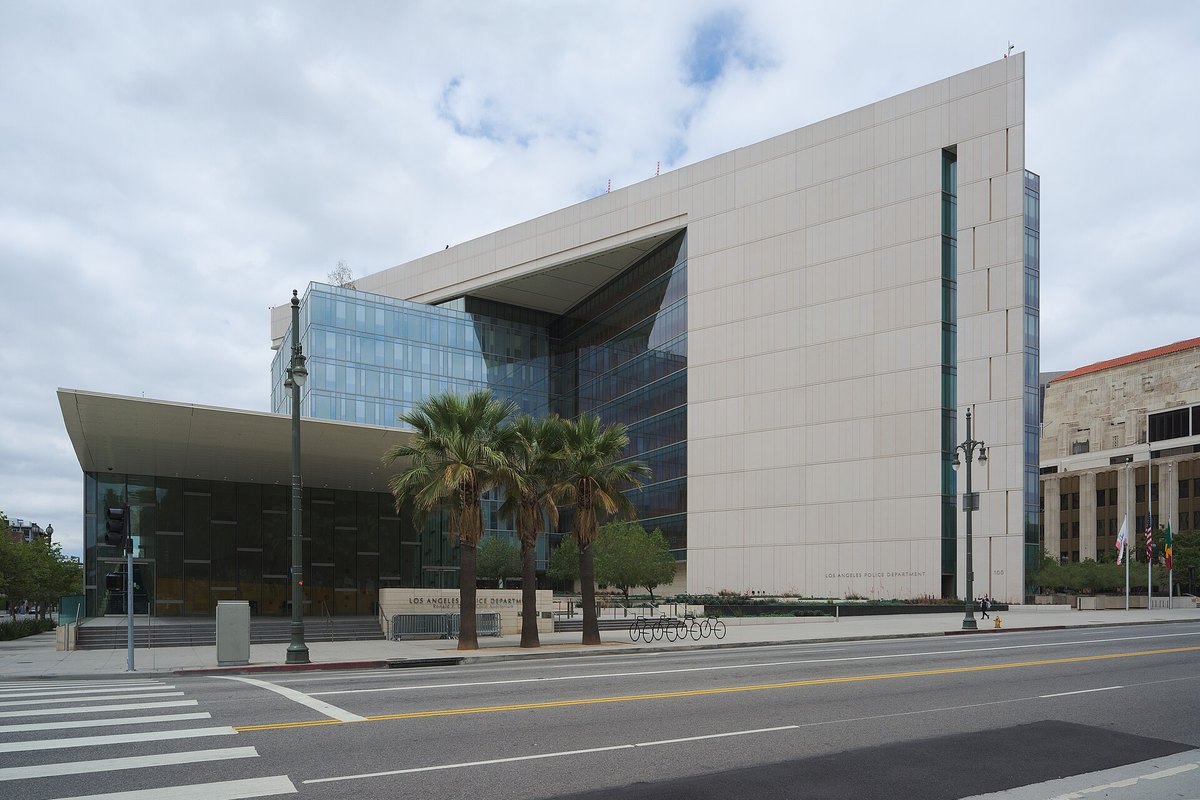
Mayor Karen Bass ordered an outside review of how the Los Angeles Police Department handles people in mental health crisis on Thursday, calling the training officers receive “woefully inadequate” in an interview with the Los Angeles Times. Executive Directive No. 21 hands the job to the Board of Police Commissioners, which has to retain an independent firm; the firm then has six months to come back with recommendations.
The scope runs five years deep. Under the directive, the firm examines LAPD uses of force and custodial arrests that ended in death or serious bodily injury over the past five years, the training and tools officers are given, how officers tell a psychiatric crisis apart from a disability such as autism or deafness or from intoxication, restraint practices and medical transfers inside jails, and the department’s own mental health support for officers after a critical incident. Open matters are carved out: the evaluation is for organizational learning, and it doesn’t touch determinations already moving through the department, the Police Commission, prosecutors or the courts.
Bass told the Times her concern is that specialized crisis-intervention training isn’t standard for patrol officers, who take the vast majority of calls; SWAT and some other units get it. “After the academy, they have spot training that is essentially videos that are played at roll calls,” she said. She is running for reelection against Councilmember Nithya Raman, who has also criticized the department over shootings of people with mental illness.
LAPD officers have fired at people 16 times so far this year, down from 34 shootings in 2025, the Times reported. In past years, the paper reported, department statistics showed at least a third of police shootings involved someone with obvious signs of emotional distress. On July 29 officers in the Olympic patrol area fatally shot Alejandro Garcia, 33, as he walked through traffic on Normandie Avenue under the 10 Freeway carrying an aluminum bat; body-camera video appeared to contradict an early LAPD account suggesting he swung at them, and one of the officers had been on the job about five months, according to the Times. About a week later, officers shot and killed Canas Zimran, 44, in Boyle Heights after, department officials said, he approached them with what was later determined to be a tree trimmer.
Last month, the city settled a case from an earlier crisis call. On August 27 it agreed to pay $5.8 million to the family of Jason Maccani, 36, who was shot by an officer downtown on February 3, 2024, the Camarillo Acorn reported. The family’s attorney, Dale K. Galipo, said video showed Maccani holding only a plastic fork; the city maintained officers believed he was armed with a knife and had grabbed a less-lethal shotgun. That officer had roughly six months on the job and was still on probation, Galipo said.
The review Bass ordered Thursday isn’t the first one the city has run at this question. In late October 2025, City Controller Kenneth Mejia released “On the Sideline,” an assessment of LAPD’s Mental Evaluation Unit and its SMART co-response teams — armed officers paired with Los Angeles County mental health clinicians. His office studied unit operations and incident data from 2020 through 2022 and use-of-force incidents from 2021 through 2024, observed the department’s mental health training, rode along with the teams and read the incident reports.
The first of its key findings is one sentence: “LAPD requires a patrol-first, armed response in mental health calls for service.” Then come the counts. Eighty-six percent of the calls SMART handled in 2023 ended in a 5150 involuntary hold. Six percent of the incident-report narratives the office reviewed described any attempt to de-escalate by the responding officers or by SMART. Thirty-five percent of LAPD officer-involved shootings in 2023 involved a person experiencing a mental health crisis. Sixty-three percent of contacts with people believed to be in crisis or living with mental illness were with people who are Black or Hispanic, and 33 percent also involved someone believed to be homeless. Staffing the Mental Evaluation Unit alone costs $12.8 million a year. The report is titled “On the Sideline.” The title is the finding.
The audit describes clinicians who can’t talk to or evaluate a person until officers have detained and handcuffed them, and who spend part of their shift driving people to medical facilities, which frees up patrol time, The LA Reporter wrote. “LAPD requires an armed-first, police-first, patrol-first response to mental health crisis incidents,” Dinah Manning, a senior advisor in the controller’s office, told LAist. The department measures SMART by how quickly it relieves patrol officers at a scene, the report found, and tracks no data on whether incidents end peacefully or whether anyone gets connected to care.
The recommendations were specific. Let SMART teams lead the LAPD response to mental health calls that do not involve weapons. Build a way to measure what the unit actually changes. Require refresher and specialized training for its officers. Rewrite the use-of-force, de-escalation and mental health policies. And keep funding — and consider expanding — the city’s Unarmed Model of Crisis Response.
Bass answered that report at the time. She said she planned to work with Mejia and Chief Jim McDonnell on the recommendations, “including additional training and appropriately updating policies to ensure that SMART units are fully maximized,” according to The LA Reporter. Eleven months later, the directive orders an outside firm to examine training and policies.
The unarmed program is the piece the city has actually scaled. UMCR sends clinicians, social workers and outreach staff to non-violent 911 calls instead of armed officers; the City Council made it permanent on February 25, 2026. An April expansion into Topanga, North Hollywood and Rampart brought it to nine of the city’s 21 police divisions, and the program had diverted more than 22,000 calls away from LAPD and the Fire Department, with fewer than 5 percent needing backup or redirection, Council District 13 reported in May. An unarmed response runs about $35 an hour against about $85 for an LAPD dispatch, LAist reported.
Going citywide was priced last year. A budget memo put the additional cost of covering all 21 divisions from the nine that were funded at about $10.7 million a year — against the roughly $9 million LAPD’s 17th helicopter cost, the council office noted. The budget the council passed in May funds expansion to 15 of 21 divisions later in this budget year. Nothing public says whether those six divisions are running yet.
None of that reaches the calls the directive is about. UMCR takes non-violent calls, and LAPD policy still requires armed patrol officers to clear a scene of potential threats first, the Times reported. A reported bat is a threat under that policy. So is what was later determined to be a tree trimmer. The controller’s central recommendation — that SMART lead the calls with no weapon in them — sits on the other side of that line, and it is still a recommendation.
The clock in the directive starts at hire, not at signature: recommendations are due to the mayor’s office and the Police Commission six months after the board retains a firm. The announcement doesn’t say by when the board has to retain one.
Sources: latimes.com, controller.lacity.gov, laist.com, thelareporter.la, cd13.lacity.gov, thecamarilloacorn.com — all retrieved September 24, 2026.
Comments 0