 ™
™LAPD Gang Officers Left 61 Detentions Out of Their Reports. California Counts Stops From Those Reports.
An Inspector General review of 300 gang-unit stops from 2023 reached the Police Commission on September 1, 2026.
Sixty-one people were detained by Los Angeles police gang officers in 2023 and never written down. The Office of the Inspector General found them by watching the video: 300 stops, 541 people detained, and 61 of them missing from the reports the Department has to file on every person it detains or searches. The review went to the Board of Police Commissioners on September 1.
That isn't only a filing problem. Under California's Racial and Identity Profiling Act, agencies the size of the LAPD have been sending the state Department of Justice a record of nearly every stop since July 1, 2018 — up to 43 data elements per person, and the dataset the state, researchers and the Department's own critics use to measure who gets stopped in this city. Because those 61 detentions were never entered, the report says, the Department underreported both the number of people it detained and the enforcement actions taken against them. The people who fill in the numbers are the officers the numbers are meant to measure.
A second field was filled in wrong. The Department's own completion guide defines a “curbside detention” as any instance where a person is directed to sit on the sidewalk, curb or ground. Officers recorded one for 192 of the 541 people in the sample — 35.4 percent. The Inspector General checked the video on all 192. Every one of them was allowed to stand next to a vehicle or a wall, and none was ordered to sit.
The sample came out of 2,960 stops with searches that gang units reported in two months of 2023: 1,496 in May and 1,464 in September. Those two months were chosen on purpose. In August, between them, the Department ran policy-compliance training for every gang officer it had. The result sits in a footnote — the review “did not identify any notable differences in GED officers' actions or activity following the training.”
What the video showed
Every stop in the sample involved a search. Of the 324 searches that went further than a pat-down, 131 required the person's consent. Officers didn't obtain it in 26 of those. In 107 of the 131 — 82 percent — the review found no moment at which officers confirmed the person understood the consent was voluntary, a step the Department has required in writing since Administrative Order No. 22, dated November 20, 2020. In 100 of the 131, nobody was told that consent could be withdrawn once the search had started.
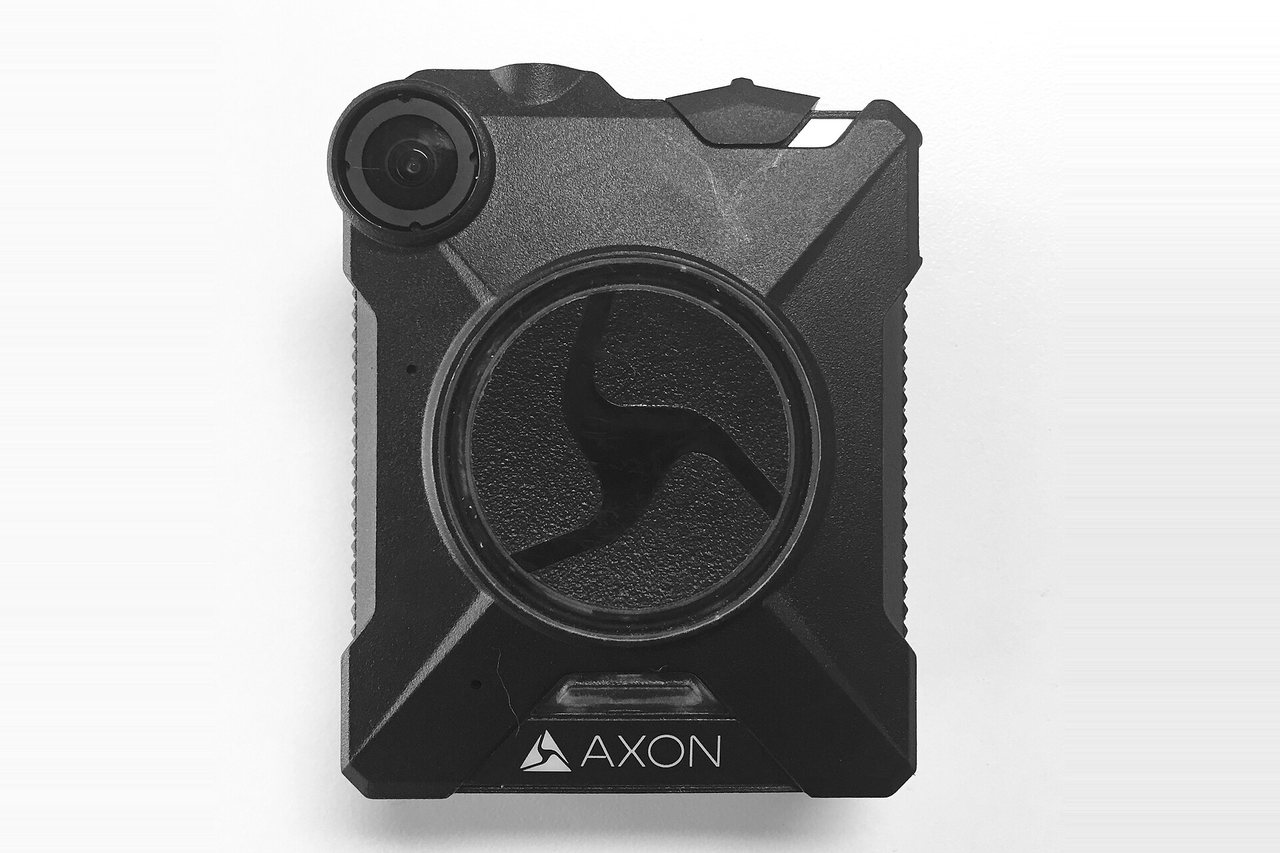
The cameras were off more often than policy allows. The 300 stops required 716 body-worn camera activations; officers missed 199 of them, 27.8 percent, failing to start recording before approaching a driver, a passenger, a cyclist or a pedestrian. Of 280 required in-car video activations, 113 — 40 percent — were late or never happened with no justification the review could find, in circumstances where it judged activation would have been feasible.
The Inspector General also went looking for stops that produced no paperwork at all, pulling 10,469 body-worn and in-car video files from the two months and watching for enforcement that never reached a report. Eight files, covering six incidents, are flagged as enforcement that possibly should have been written up and wasn't.
The photographs
Thirty-six of the 541 people detained were photographed. Department policy is specific about how: permission asked and given first, no force and no coercion, the person unrestrained and on public property, and a full explanation of what the picture is for. Thirty of the 36 — 83.3 percent — were taken in conflict with it. Fourteen people were handcuffed. Eight were photographed without anyone asking. Eight submitted after being threatened with enforcement, among them three men who objected until an officer told them, in a passage the report transcribes, “We're a gang unit, we're doing what we got to do. We can play the game, and give tickets, take the car, and all that.” They stood for the photograph. At another stop, officers took five detainees aside and ordered them to roll up their sleeves, lift their shirts and pull up their pant legs while photographing their faces and their tattoos.
The pictures go into Gang Photo Books, which the LAPD manual treats as part of its hard-copy gang files and orders kept secure. The review found the policy doesn't say how they're stored, who may handle them, whether they may be shared outside the unit that made them, or what governs the electronic databases used to index them. Recommendation 4 asks the Commission to have the Department evaluate whether it should keep authorizing these photographs at all.
Some of the confusion has a date on it. On June 19, 2020, the chief of police suspended all LAPD entry into and use of CalGang, the state's gang-intelligence database, after an internal review found officers had entered false information that wrongly identified people as gang members or associates. The notice said nothing about the photograph policy, which stayed where it was. The Department, the report says, agrees confusion exists about what that policy permits; command staff told the Inspector General they are issuing clarification and further training and have convened a working group on best practices.
The smallest number in the report
Officers were required to offer a Department business card — rank, name, serial number, division — to 482 of the 541 people, everyone released without being booked or cited. They offered one 13 times. That is a compliance rate of 2.8 percent.
On pretext stops the arithmetic is better and the record is thinner. Officers marked 60 of the 300 stops as pretextual, and the Inspector General found the reason properly articulated in 56 of them; the four that failed rested on the general character of the location, which the policy forbids by name. Twenty-two further stops were reported as non-pretext while carrying the markers of one — a minor equipment violation, a stop extended past its original basis, a search, no citation. The review declines to call them either way, and explains why: officers are not required to document the additional suspicion that justifies extending or expanding a stop. Not on video, not in the stop report, not in the dispatch log.
Three years
The stops are from 2023. The Department's written answer to the review is dated October 21, 2024. The Commission heard it on September 1, 2026. Commissioner Jeff Skobin put the cost of that gap plainly: “We're sitting here in September now of 2026 and we really don't know what things look like today,” he said, according to The LA Local's account of the meeting, published by LAist. At the same meeting, that account says, a captain from internal affairs told commissioners there had been 28 sustained complaints against gang unit officers in 2023 involving body-camera and search policy.
Four months before the report reached the Commission, the Department stood down a gang unit over the same conduct. In May the LAPD temporarily disbanded the 77th Street Division's gang detail amid an internal investigation into officers suspected of switching off or failing to activate body cameras and making stops that supervisors never saw. NBC Los Angeles, which reported the stand-down on May 12, cited law enforcement sources saying 10 officers had been ordered to stay inside the station during their shifts, with several others reassigned. Assistant Chief Scott Harrelson told the Commission the Department took it “very, very seriously,” the station reported.
None of that is new ground either. The review says one of the reasons it was launched is that in 2023 the Department found unreported stops by gang officers at two stations. It is also a follow-up to the Inspector General's 2019 audit of the same unit, which examined reforms imposed under the federal consent decree that followed the Rampart scandal — the collapse of oversight in the LAPD's previous generation of gang units.
Inspector General Matthew J. Barragan made seven recommendations and asked the Commission to direct the chief to report back within 21 days on the first two, both of them about consent searches. The gang-unit findings on pretext stops are, by the report's own account, a preview: a separate review of traffic stops made across the whole Department in January 2026 is scheduled to reach the Commission later this month.
Sources: the Office of the Inspector General's Review of LAPD's Gang Enforcement Detail Stops with Recorded Searches and Related Matters (BPC #26-246, September 1, 2026), listed on the OIG's reports page; the California Attorney General's AB 953 stop-data program; The LA Local, published by LAist, for the September 1 Commission meeting; and NBC Los Angeles for the May stand-down of the 77th Street gang detail. All retrieved September 4, 2026. Every count and percentage above is the Inspector General's own unless stated otherwise.
Comments 0