 ™
™Student Homelessness in California Rose 10%. Enrollment Fell by 380,057.
UCLA counted a record 298,254 K-12 students without stable housing last year. The state's schools lost 380,057 students over the same span, which makes the share about 17% higher than at the last peak — roughly 1 in 19. In L.A. County it is about 62,000 students.
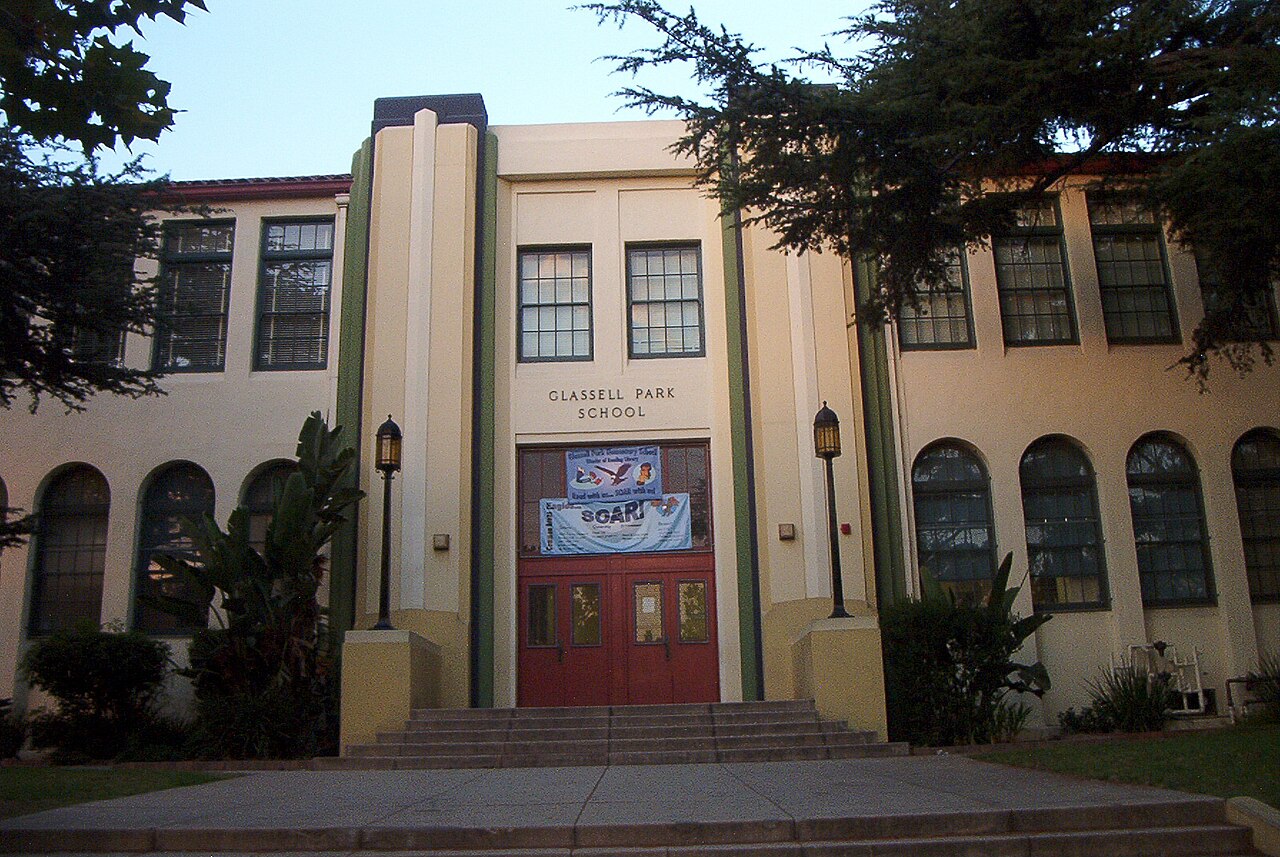
UCLA's Center for the Transformation of Schools counted 298,254 California K-12 students who experienced homelessness in the 2024-25 school year — the highest figure its researchers have recorded, and 10% above the previous peak in 2018-19, the university announced Wednesday. The 10% is a headcount. The school system it was counted inside got smaller.
California's public schools enrolled 6,186,278 students in 2018-19 and 5,806,221 in 2024-25, both figures from the Department of Education's own Census Day count, taken the first Wednesday of October. That is 380,057 fewer students, a decline of 6.1%.
Ten percent more of a thing, drawn from a pool 6.1% smaller, is a share that rose about 17%. The count is the number in the headlines. The rate is the number the count is describing.
As quoted / in context
As quoted. "Nearly 300,000 California K-12 students experienced homelessness in the 2024-25 school year," UCLA's announcement reads, "the highest numbers ever recorded by UCLA researchers and a 10% increase from the prior peak in the 2018-19 school year." LAist, reporting the study Wednesday morning, put the same finding under the headline "Student homelessness rises in California even as overall enrollment falls." Grace Kim, a study co-author and research analyst at the center, is quoted there: "The sheer magnitude of how many students are experiencing homelessness and how much it's increased, that was the biggest finding for us."
In context. Divide 298,254 by 5,806,221 and the 2024-25 share is 5.1% — about one student in 19. Run the same division on 2018-19, using the count the 10% implies, and the share was about 4.4%, or one in 23. Between one in 23 and one in 19 sits an increase of roughly 17% in the rate, against 10% in the headcount. Both numbers are true and they are not the same number, and only one of them survives a shrinking district.
One precision note, because this column exists to make them. The homeless figure is a cumulative count — every student a district identifies at any point in the year — while the enrollment totals above are Census Day, a single morning in October. The state publishes both bases and they are not interchangeable; a cumulative numerator over a Census Day denominator runs slightly high. The direction does not move. The denominator fell in every year of the series, and it kept falling after: statewide enrollment was 5,731,260 in 2025-26.
What it excludes
- The street, almost entirely. California classifies homeless students by where they sleep, and in 2024-25 the state reports 83.8% were "temporarily doubled-up" — sharing someone else's housing because of economic hardship. Temporary shelters accounted for 6.7%, hotels and motels 5.6%, and the temporarily unsheltered category 3.9%, or roughly 11,600 students by our arithmetic on the state's own percentages. The count is measuring housing loss, not visible homelessness, and the two have never been the same population.
- Whatever the other count is counting. The Los Angeles Homeless Services Authority's 2026 point-in-time tally found 73,040 people of every age across L.A. County, taken over three nights in January and released July 25, as reported by HeySoCal. L.A. County's schools identified about 62,000 students by themselves. The two figures are close enough to invite a comparison that does not survive the definitions: schools count under the federal McKinney-Vento standard, which includes doubled-up families, and the January street count does not.
- Every student nobody found. A district's number is the number its own staff identified. California's most recent budget includes $116 million to help schools identify and support these students, per LAist — money UCLA describes as "the largest dedicated state funding to prioritize housing-insecure youth in the country." Which means part of any increase reported next year will be the search improving. That is a good outcome and a bad statistic, and the record will not distinguish them.
- Where the students are. Five counties — Los Angeles, Orange, Riverside, San Bernardino and Ventura — hold half of them, LAist reports, and UCLA puts seven of the ten highest-count districts in Southern California. A statewide rate is an average over a distribution this lopsided, which is the polite way of saying it describes almost nobody.
The number underneath
L.A. County did not arrive here gradually. UCLA's April report on the county counted 61,249 students experiencing homelessness in 2023-24, a 30% rise in a single school year against a 16% statewide increase over the same span. Three in four were Latino, about 12% were Black, and 34% were English learners. The county's roughly 1.3 million K-12 students are spread across 80 school districts, each running its own identification.
The outcome figures are the reason any of this is a school story rather than a housing one. In L.A. County, 37.2% of homeless students were chronically absent, against 36.3% of homeless students statewide. Statewide, the share meeting benchmark on standardized tests runs about 20 percentage points below their housed classmates. A student who moves four times does not take four tests.
And the denominator has an explanation of its own that the coverage rarely joins to the numerator. Enrollment is falling in California partly because fewer children are being born and partly because families with school-age children are leaving expensive counties. The households that leave are the ones that can. The count going up while the roll goes down is, read plainly, one measure of who stayed.
The verdict
Ten percent is correct. It is also the smaller of the two available true numbers, and the one that does not require knowing anything about California enrollment. The share of California students without stable housing is up about 17% from a peak set seven years ago, it stands near one in 19, and 83.8% of the students behind it are sleeping in somebody else's living room rather than anywhere a January count would look.
The state has now put $116 million behind finding more of them. On the record that money produces, next year's number will go up. It will not be possible to say how much of that is the crisis and how much is the search — unless the reports say so, in the same sentence, every time.
Divide responsibly.
Comments 0