 ™
Pasadena Opens a Solar Cost Calculator, and Pays 60 Cents a Watt
The Pasadena Water and Power estimator feeds a rebate of up to $1 a watt for owned panels and up to $550 per kilowatt-hour of battery.
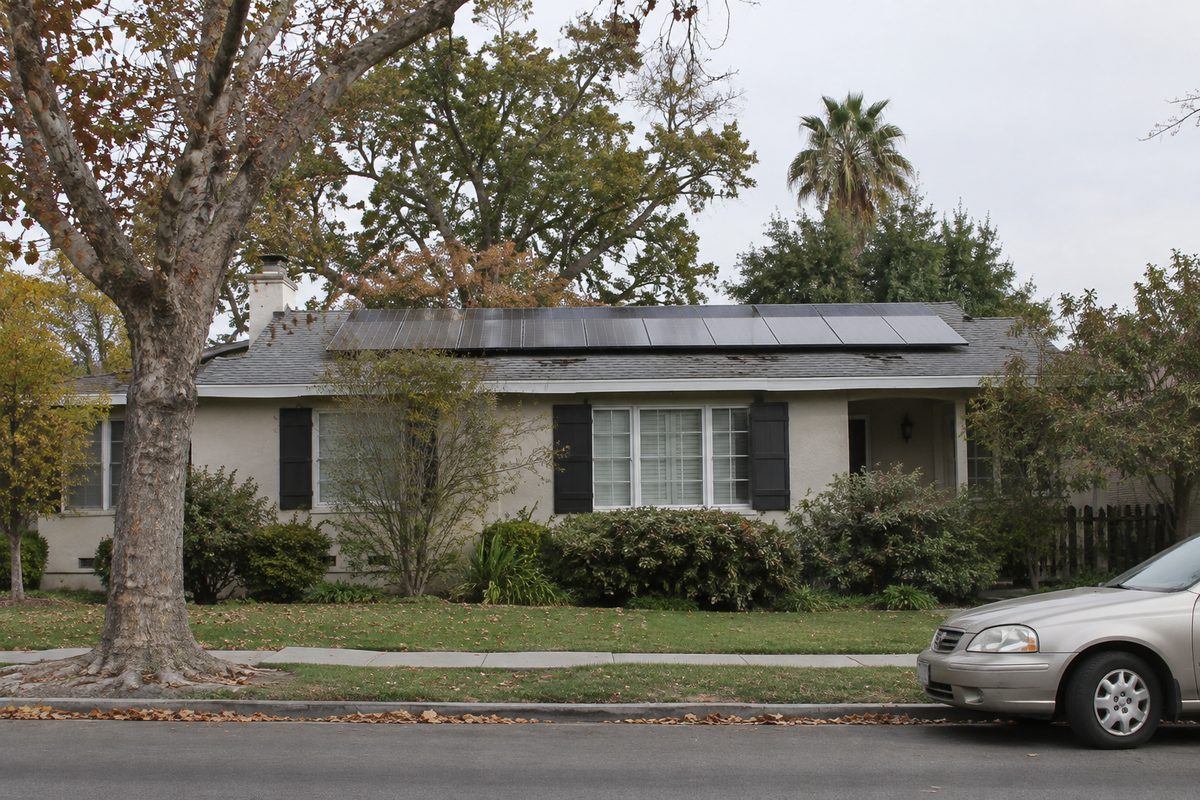
Pasadena Water and Power's new solar calculator asks for two things: a home address and what the household's electric bill usually runs. The city-owned utility says that's enough for it to estimate how much power rooftop panels would make, what they'd cost up front and what they'd save over the years.
The Residential Solar and Battery Estimator went live Thursday, the City of Pasadena said in a news release. The city calls it a first step. The next step is a rebate, and the number that matters there is 60 cents.
That's what PWP pays for each watt of new rooftop solar, according to the utility's residential solar rebate page. Every 1,000 watts of panels comes to $600. Customers enrolled in the utility's income-qualified bill-help programs, EUAP, Cares and Cares Plus, get $1 a watt, or $1,000 per 1,000 watts.
The money goes only to people who buy. Leased panels don't qualify, and neither do systems sold under a power purchase agreement. The panels have to be installed by a licensed contractor on or after Jan. 1, 2026, each address gets one rebate for life, and the application is due within 180 days of hooking up to the grid. The utility says the check arrives 6 to 8 weeks after approval.
Batteries pay $350 per kilowatt-hour of storage, according to PWP's battery rebate page. Customers in the income-qualified programs or the utility's Medical Assistance Program get another $200, for $550 per kilowatt-hour.
That one has strings. The battery has to be controllable remotely through the maker's portal or an approved outside company. Whatever demand-response or virtual power plant program PWP launches first, the battery has to be signed up for it and kept there for at least 36 months once it starts. The rebate page doesn't give a date for that launch. Decline to enroll without an exemption, or quit in the first 12 months, and PWP may take back 20% of the rebate.
Some of the paperwork costs less for now. The utility isn't charging its own plan review and inspection fees on solar and battery jobs, though structural, building and safety, meter and other fees can still apply, according to the rebate pages.
All of it serves a deadline. Pasadena wants its electricity to be entirely carbon-free once 2030 is out, the city said. PWP General Manager David Reyes said in the release that the estimator is one way to "help bridge the gap between the average customer and solar power adopters."
Anyone who wants the long version can watch the utility's Solar and Battery 101 workshop from Nov. 5, which PWP posted to YouTube on its solar page, along with a consumer protection guide and a list of contractors who've done solar jobs in Pasadena.
The rebate pages say program funds are limited but don't say how much is left. They also say the rebate is figured at whatever rate is posted on the day the system is bought, and that PWP can change the terms at any time. So 60 cents is the rate today, and nothing on those pages promises it'll still be 60 cents on the day you buy.
Source: cityofpasadena.net, retrieved November 20, 2026. Other sources: pwp.cityofpasadena.net, pwp.cityofpasadena.net (2), pwpweb.com.
Comments 0