 ™
™L.A. County's Sales Tax Rose Thursday. The County Says a Lawsuit Froze the Spending.
Measure ER added a half-cent, taking the countywide rate from 9.75% to 10.25%, or $5 more on every $1,000 you spend.
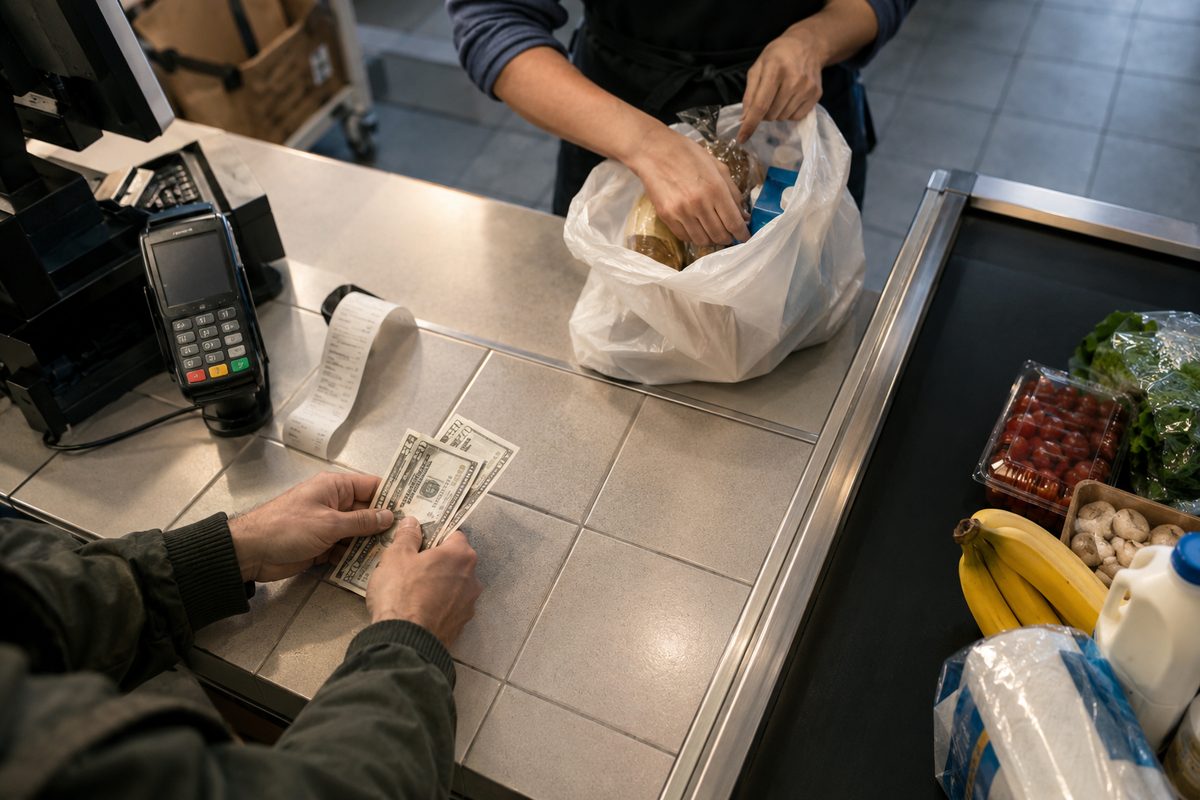
Everything taxable you buy in Los Angeles County costs a bit more as of Thursday, when the countywide sales tax rate climbed from 9.75% to 10.25%.
The extra half-cent is Measure ER, which county voters approved in June, FOX 11 reported. There's a catch on the other end of the receipt. In a Sept. 30 release, the county said a legal challenge had frozen spending of Measure ER money. The county called that challenge meritless.
The challenge comes from the Libertarian Party of LA County, the release says. It doesn't attack Measure ER head-on: it argues that Assembly Bill 1768, the state law that let the county go past the usual sales tax limit, is unconstitutional. Until a court decides, state law keeps the money in an escrow account, unspent, and the county says that could take two years or more.
So you're paying it, and the county says it can't spend it yet.
What it costs you
Half a percentage point sounds small until you put a real purchase next to it. At the countywide rate, here's how it works out:
- A $1,000 purchase: tax went from $97.50 to $102.50, or $5 more.
- A $30,000 car: tax went from $2,925 to $3,075, or $150 more.
Some cities start higher than that. Santa Monica, Pasadena and West Hollywood now have total rates of 11% or more with the new tax in effect, the outlet reported. Shop for a couch in one of those cities and you're paying more than a dime on the dollar in tax.
The everyday basics are spared. The county health department says groceries, prescription drugs and medical equipment are exempt, so the weekly run to the market and the pharmacy counter don't change.
Where the money is supposed to go
The county describes Measure ER as a general sales tax, which means the money lands in its general fund rather than a walled-off account. Under a plan from the county's Department of Public Health, health care comes first. County hospitals and clinics would get a share, as would public health programs and other safety-net providers.
The tax isn't permanent. It's set to run five years.
The timing
The increase arrived as Southern Californians were already paying more for nearly everything else. Tonantzin Carmona, director of economic policy at The Century Foundation, a think tank, told FOX 11 that families nationwide are being squeezed, but that California is taking a harder hit. She pointed to mortgage rates above 7% and to gas, which she said averages above $6 a gallon in California against roughly $4 nationally.
Carmona said some of that pressure is homegrown, like the state's long shortage of housing, and some of it comes from decisions in Washington, which she said included tariffs and the war in Iran.
Shoppers the station spoke with weren't arguing with the math. One resident put the problem in terms of who can still afford to arrive: "No one can really start here anymore."
The new rate hit receipts across the county on Thursday, Oct. 1.
Source: foxla.com, retrieved October 1, 2026.
Comments 0