 ™
™Nine Wisconsin Agencies Dropped Flock Cameras in Four Months — and the Network Shrank for Everyone Left
Dane County cut $80,000 in funding for Flock license plate readers on April 16, 2026. Neighboring departments then walked away because the database they were buying into had gotten smaller.
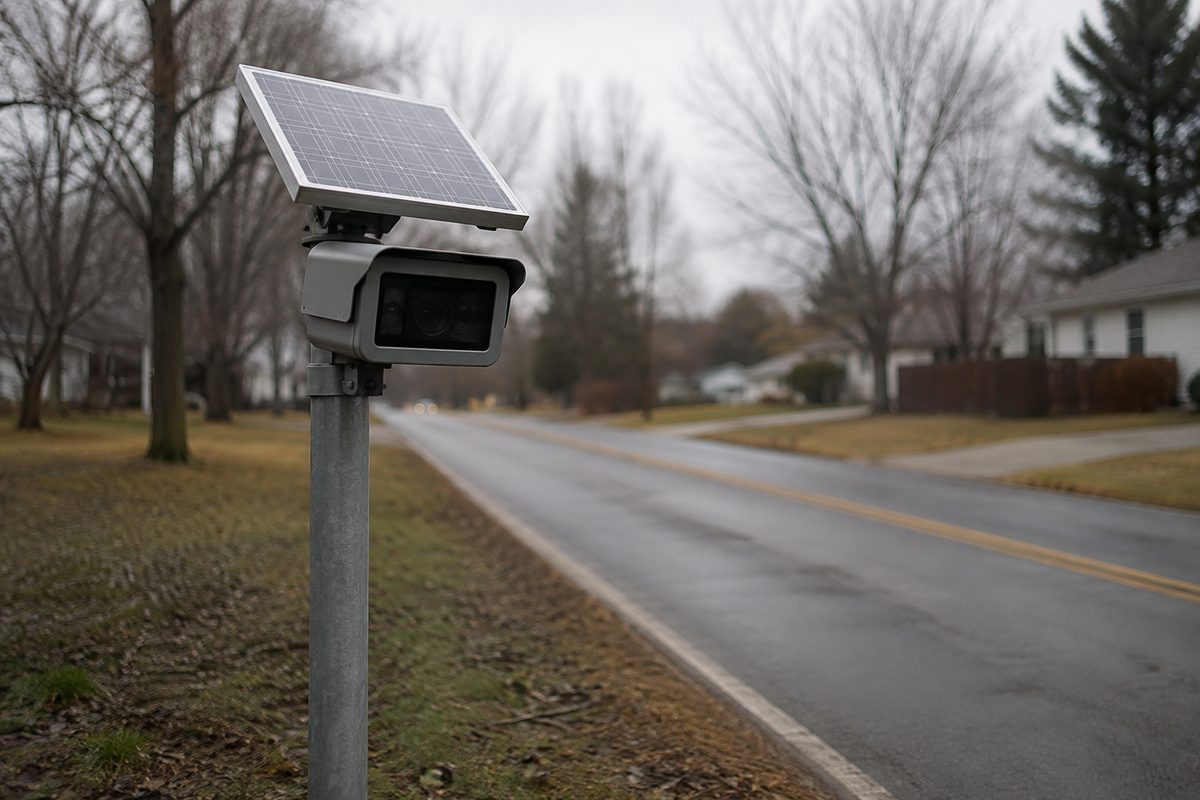
Nine Wisconsin communities and police agencies cancelled, declined to renew, or abandoned plans for Flock automated license plate reader cameras between April and July 2026, and several of them said openly that they were leaving because other nearby agencies had already left, according to a report published by Ars Technica on August 17, 2026.
The clearest break came in Dane County, Wisconsin, the county that contains the city of Madison. Dane County held a contract for 24 license plate cameras. On April 16, 2026, the Dane County Board of Supervisors voted to cut $80,000 in county funding for Flock cameras and barred further spending on the system, Ars Technica reported.
“There are well-documented concerns about how this company operates and uses its technology to violate people’s Fourth Amendment rights,” County Board Chair Patrick Miles said in remarks quoted by Ars Technica. “The board’s action supports protecting our community from a proven bad actor.” Miles added that the county was “open to considering other companies that have stronger safeguards in place.”
When the Dane County cameras went dark, the data stopped flowing to 140 other law enforcement agencies that had been able to reach it, Ars Technica reported. Most were local. Some were police in Missouri, New York and Tennessee.
The reason each city gave for leaving
What followed is the part that matters for any agency weighing a similar contract: the departures fed on each other.
The town of McFarland, Wisconsin announced on May 15, 2026 that it would not go ahead with a planned Flock deployment, citing “a shrinking database in Dane County and input from residents.” McFarland Chief of Police Brian Redman put the arithmetic plainly in a statement quoted by Ars Technica: “Once Dane County lost their funding for Flock, we lost about half of the potential camera network within Dane County. I had to ask, ‘Were we still going to get the return on our investment with that loss?’”
The city of Fitchburg, Wisconsin voted on May 26, 2026 to discontinue its Flock subscription. Local leaders cited concerns about the national search feature and said the city could not determine how data searched by other jurisdictions was being used, according to Channel 3000 News as cited by Ars Technica.
The University of Wisconsin police force in Madison said on July 3, 2026 that it would not renew its Flock deal, and that it would look for another automated license plate reader vendor. On July 28, 2026, the city of Stoughton, Wisconsin voted to cancel its contract and paid a $12,500 early buyout fee. Stoughton police had said the cameras helped locate a missing 15-year-old 14 minutes after the plate was entered.
In northeastern Wisconsin, Oshkosh ended its contract in April 2026 and Appleton said in May 2026 that it would stop using Flock. Grand Chute cancelled in early June 2026 and switched to a competing product from Axon; Grand Chute Police Chief David Maas told Fox 11 News, in comments quoted by Ars Technica, that the Axon system “respects resident privacy in a way that feels more comfortable, quite honestly.”
Kaukauna, Wisconsin declined to renew in July 2026. City of Kaukauna Chief of Police Jamie Graff said it was “not fiscally responsible” to keep investing given the concerns raised and “the inability to partner with area communities.”
What the record here does not cover
These are Wisconsin decisions. The Ars Technica report names no Southern California agency, and nothing in it establishes what the Los Angeles Police Department, the Los Angeles County Sheriff's Department or any smaller city in the San Gabriel Valley or the South Bay has signed, retains or shares. This desk is not asserting a local footprint it has not read.
What the Wisconsin record does establish is the mechanism. Flock's product sells shared reach across jurisdictions. Ars Technica reported that the company last week announced mandatory new audit controls and lower default data retention periods for US users. Two police chiefs in Wisconsin had already said, on the record, that the shared reach was the thing they were paying for — and that it was worth less every time a neighbor unplugged.
Comments 0