 ™
™Flock Cuts Default License Plate Data Retention From 30 Days to 7 as CEO Says 'We Got This One Wrong'
The surveillance company will make its abuse-detection tool mandatory after reports of officers using automatic license plate reader data to stalk ex-partners, including a case involving a former Riverside County sheriff's deputy.
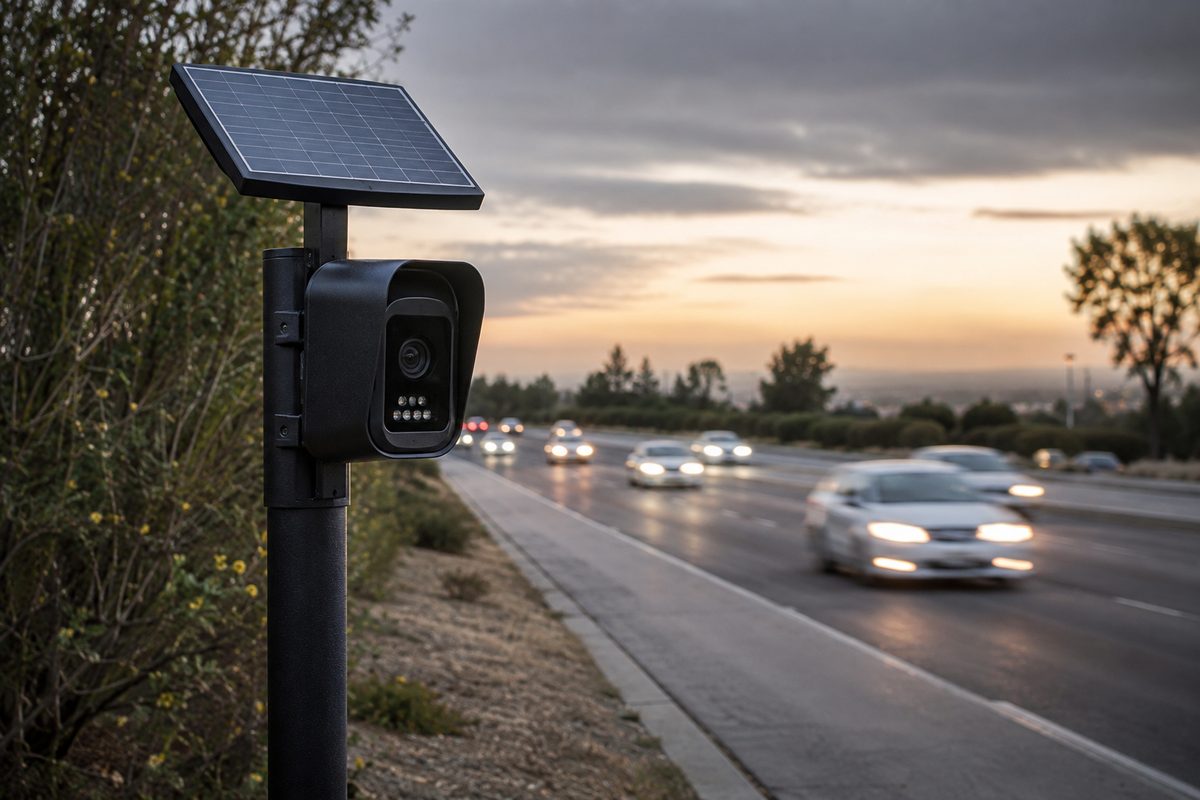
Flock, the surveillance technology company whose automatic license plate readers are used by police departments across the country, is cutting the default period it keeps device data from 30 days to seven and making a previously optional abuse-detection feature mandatory for all customers, according to an interview with chief executive Garrett Langley published by The Verge on August 13, 2026. The seven-day default moves closer to the limits urged by critics including the American Civil Liberties Union, The Verge reported.
The changes follow reports of police officers misusing the company's tools to track ex-romantic partners. Langley told The Verge his thinking had shifted on how much responsibility Flock bears for how law enforcement uses its products. “This is such an obvious way to curb abuse,” he said, per The Verge, about the setting that makes a department attach a case number to every lookup. “And I said, ‘Fine. You know what? I think that’s right, and we got this one wrong. We should make it a requirement.’”
What is actually changing
Flock will make that setting, which it calls Audit Assistance, compulsory over the next few weeks. It watches for “abnormal search behavior” and freezes the account behind it on the spot, leaving it frozen until a supervisor has read back what that user has been doing, The Verge reported. Every search will also have to carry a case code. A department administrator can waive the code in an emergency — a missing child, say — but each waiver is flagged afterward for review.
A department that wants to hold its data longer than seven days can still choose to, or it can switch on a new “Evidence Mode” that keeps searches attached to one specific case number, according to The Verge. Sharing between agencies used to be all or nothing. A locality can now draw lines inside it — opening its records to a neighboring force working a homicide while keeping them shut to immigration enforcement.
The Southern California case in the record
State prosecutors have accused a former Riverside County sheriff's deputy of turning the system on a woman he used to date, running her plate and the plates of men she went out with afterward, to stalk and harass her, the Palm Desert outlet KESQ reported, as cited by The Verge. In Braselton, Georgia, a police chief ran the plate of a woman he had dated more than 500 separate times in the space of seven months, The Washington Post reported.
Reports of abuse involving Flock and other automatic license plate readers date back to 2021, according to the nonprofit Institute for Justice, The Verge reported. The Verge's account does not identify which Southern California cities contract with Flock, nor whether federal or out-of-state agencies have run searches against data collected in the Los Angeles area — questions that would have to be answered by the departments themselves.
Adoption has been thin
Audit Assistance launched as a voluntary feature in April, and only a third of agencies working with Flock had turned it on, The Verge reported. The company says identification of abuse went up among those that did. Langley predicted to The Verge that “you are going to see more officers fired and more officers arrested for abusing police power.”
The tone marks a shift. Langley called DeFlock, a site that maps the company’s technology, a “terroristic” group in a Forbes interview last year, then apologized in July and called that characterization a “mistake,” per The Verge. The ACLU and the Electronic Frontier Foundation have both argued that the company plays down what its cameras make possible when it talks to the public and to elected officials — among the dangers they name is the tracking of women traveling for abortions. Flock's answer is that its officers may not run plate searches tied to reproductive health care in states that restrict it.
Langley pointed to scale as the reason for the change of heart. “I got our July update a week ago, and we helped find almost a thousand missing people, over 22,000 stolen cars — in July,” he told The Verge. “All I guess I’m asking for is for a fair shot.”
Comments 0