 ™
™California Killed Its License Plate Camera Bill. LAPD Already Dropped Flock.
Senate Bill 1013 would have limited how long police keep plate scans and which outside agencies can search them.
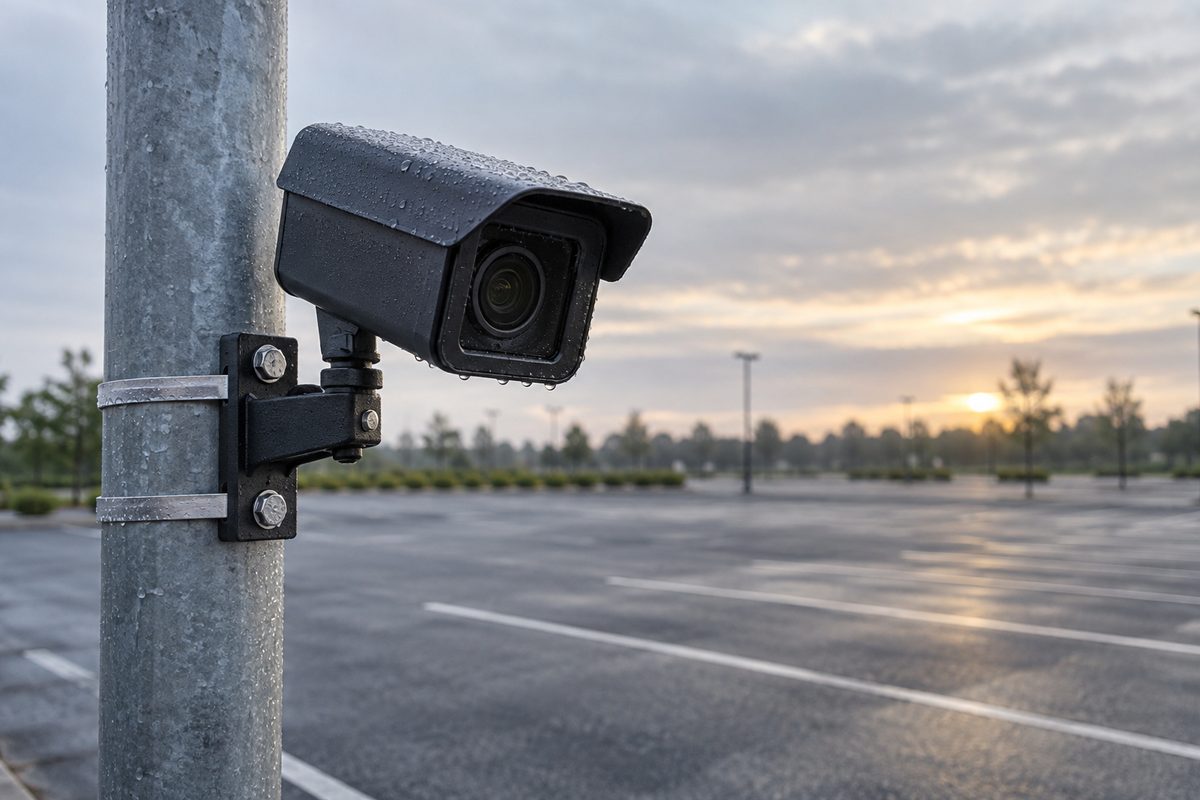
Senate Bill 1013 died in the state Assembly without a floor vote, and California's license plate cameras keep running on the rules they already had. It's the fifth year running that a bill to regulate them has failed, CalMatters reported. Assembly majority leader Cecilia Aguilar-Curry held the measure on the session's last day, and no public explanation followed, the outlet reported.
For a driver in Los Angeles, nothing about the camera bolted to the pole at the end of the block changes. The officer training, the archiving deadline and the random state audits the bill described all died with it.
That's the backdrop to a number the Los Angeles Police Department published about itself. An LAPD audit released in July found that one in three vehicles Flock cameras flagged as stolen were flagged wrong, CalMatters reported.
Flock Safety, the license plate reader company, has been losing customers here and in the Bay Area. Police in Los Angeles and Redwood City ended their contracts, and so did elected officials in El Cerrito and Campbell, the outlet reported. Nationally, the privacy group Secure Justice counted more than 200 cities and police agencies dropping the readers in August, the biggest month since 2021, according to CalMatters. Secure Justice is run by Brian Hofer, a Bay Area privacy advocate. More than 230 police and sheriff's departments in California use the cameras, said the bill's author, Senator Sabrina Cervantes, a Democrat from Riverside.
Cervantes' bill would have:
- limited state law enforcement to using plate data for locating criminal suspects or missing people;
- required privacy and cybersecurity training for officers;
- restricted sharing with national databases by default;
- required the attorney general's office to run random audits for misuse.
It had already been softened. An earlier 30-day deletion requirement gave way to a rule that police “archive” scans after 60 days and get a warrant to search them, with exceptions for an active investigation or a vehicle hunt. Gov. Gavin Newsom vetoed last year's version, citing in part its 60-day deletion mandate.
Opposition ran to just under 40 police agencies and unions, CalMatters reported.
“We were concerned that this bill was going to limit the utility of ALPR data to solve crimes, find missing persons, exonerate innocent individuals,” California State Sheriffs' Association legislative director Cory Salzillo told CalMatters, saying the group was glad it didn't pass.
The misuse record is the other half of this. Lawmakers say officers unlawfully used the readers to stalk or harass private citizens in Los Angeles, Marin, Orange, Riverside, Sacramento, San Diego and Shasta counties, CalMatters reported. The California Attorney General's Office has contacted 18 agencies since June 2024 over possible or known violations of Senate Bill 34, the state law limiting who can receive plate data, the outlet reported. That office sued the city of El Cajon, near San Diego, to stop its sharing.
The Washington Post has documented more than 70 instances nationwide of officers using the readers to track wives, former partners or love interests, CalMatters noted. One was former Riverside County sheriff's deputy Alexander Vanny, sentenced in February to six years in prison for using Flock to stalk his former fiancée, the outlet reported.
Cervantes says she'll try again. “I look forward to continuing to fight for the privacy rights of Californians next year,” she wrote in a statement to CalMatters.
Source: calmatters.org, retrieved September 3, 2026.
Comments 0