 ™
™LA's Olympic backstop is a $270 million fund the city can only reach after LA28 is paid
The Los Angeles City Council approved its overdue spending agreement with LA28 on August 12, 2026. Security costs are still outside the organizers' $7.1 billion budget, and the city remains liable if the 2028 Games lose money.
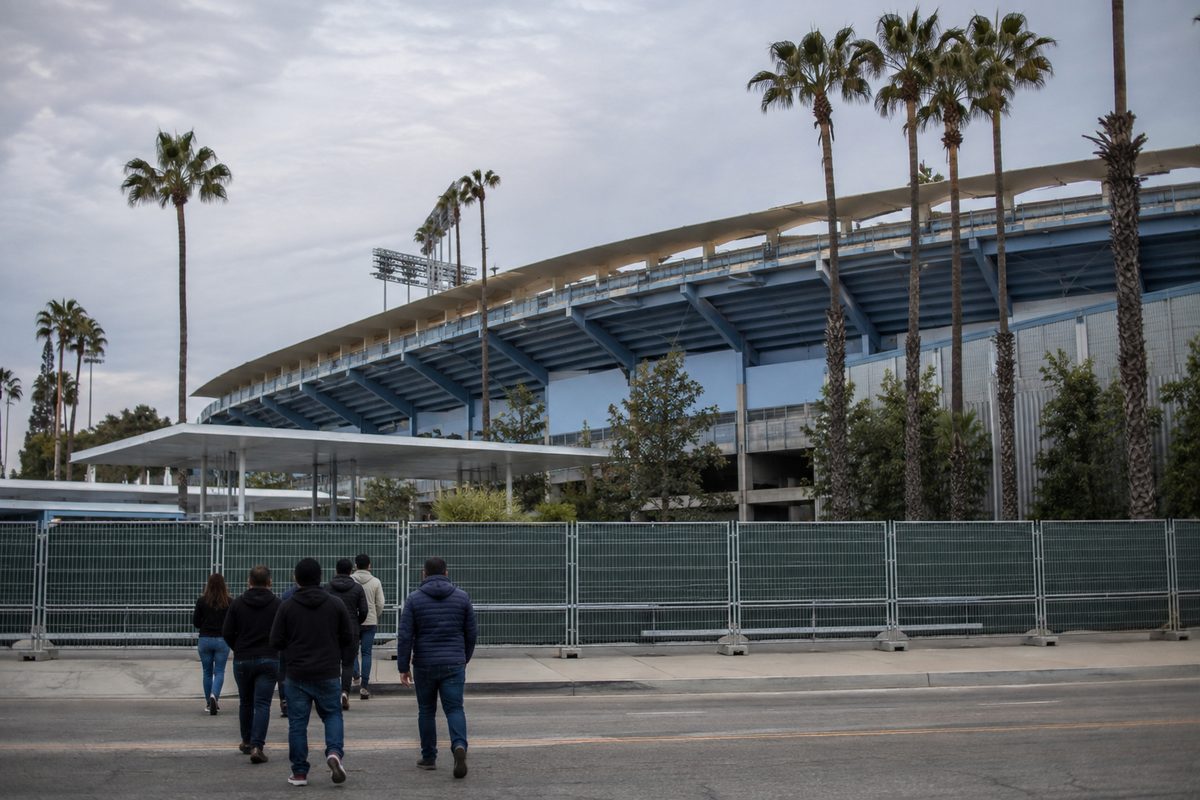
The Los Angeles City Council voted 10-4 on Wednesday, August 12, 2026 to approve an overdue agreement with LA28, the private committee organizing the 2028 Olympic and Paralympic Games, on how the two sides divide the cost of hosting. The City of Los Angeles remains on the hook for what LAist described as a potentially infinite amount of money if the Games are a financial failure. The agreement was due October 1, 2025.
What the agreement obligates
The deal sets out how LA28 will repay the City of Los Angeles for services the city provides during the Games, such as traffic control, according to LAist. Security for the Games is a federal responsibility. So the deal has the city billing Washington for what it spends policing venues.
A second vote changed the terms of a deal the city and LA28 struck in 2021. If federal money does not cover the city's security costs, the change lets Los Angeles reach into a contingency fund LA28 holds and recover them there.
Matt Szabo, the City Administrative Officer, negotiated the agreement alongside Chief Legislative Analyst Sharon Tso. He told the council the deal has limits and was still the best available protection.
"This is not an agreement that is intended or even has the capability of eliminating risk that the city has agreed to take on," Szabo said, in remarks reported by LAist. "The purpose is to limit the risk to the greatest extent possible. And we do believe that it achieves that."
Where the security math does not close
LA28 has not included security costs in its $7.1 billion budget, LAist reported. The federal government has so far allocated $1 billion for Olympics security costs, and where those funds will go has not been determined.
Los Angeles Police Chief Jim McDonnell estimated in a budget memo issued earlier this year that Los Angeles Police Department personnel costs alone could reach $1.15 billion, a figure that by itself exceeds the federal allocation.
The city is last in line for the $270 million
If Los Angeles is not reimbursed by the federal government for all eligible expenses, it can draw on LA28's contingency fund of $270 million before the organizing committee uses that money for legacy projects, according to LAist's account of the approved agreement. That fund is first used to cover costs Olympics organizers still owe if they run out of revenue. If the Games do not turn a profit, how much the city can reach depends on what is left.
Chris Tyler of the community organization Strategic Actions for a Just Economy told the council in public comment that "LA28 has no real incentive not to bankrupt us," adding that under-fundraising and overspending would leave taxpayers exposed to billions of dollars. Szabo said a profitable Games serves both parties: "We are joined at the hip here."
Dissent and the amendments that did not survive
Councilmember Monica Rodriguez, one of the four votes against, said in a statement that the agreement "fails to establish a clear baseline of City services, financial protections for Los Angeles taxpayers, and accountability that the City needs to successfully host the Games."
Council members introduced six amendments at the meeting. All but one were referred to committee. Council President Marqueece Harris-Dawson warned that adopting amendments would reopen negotiations with LA28 that had already run for years. Councilmember Eunisses Hernandez, who proposed regular audits of LA28's finances and guaranteed reimbursement for health and safety incidents, said she was briefed only two weeks before the vote and that Dodger Stadium, an Olympic venue, sits in her district.
City Controller Kenneth Mejia called the deal "fiscally irresponsible" in an interview with LAist and asked why the city was not maximizing protections now. Jacqueline Iniguez of the L.A. Area Chamber of Commerce argued the opposite in public comment, saying each month of delay shortens the planning runway for businesses.
What comes next
The agreement goes to Mayor Karen Bass and Harris-Dawson for signature with LA28. It then serves as the master document for "Venue Service Agreements" covering services at each city venue. Other municipalities hosting venues must negotiate their own reimbursement agreements with LA28, and those terms matter to Los Angeles, which is the financial backer of the entire Games regardless of where a venue sits. LA28 spokesperson Jacie Prieto Lopez said the agreement "delivers on our commitment to execute a safe, secure, and fiscally responsible Games." LAist’ account does not establish the city's cost-tracking mechanism or the reporting cadence under the new agreement.
Comments 0