 ™
™L.A.'s Average Parking Ticket Is $89.74. Hancock Park's Is $197.
Individual fines are identical across the city; the mix of violations, including $293 bus-lane camera tickets, drives the neighborhood gap.
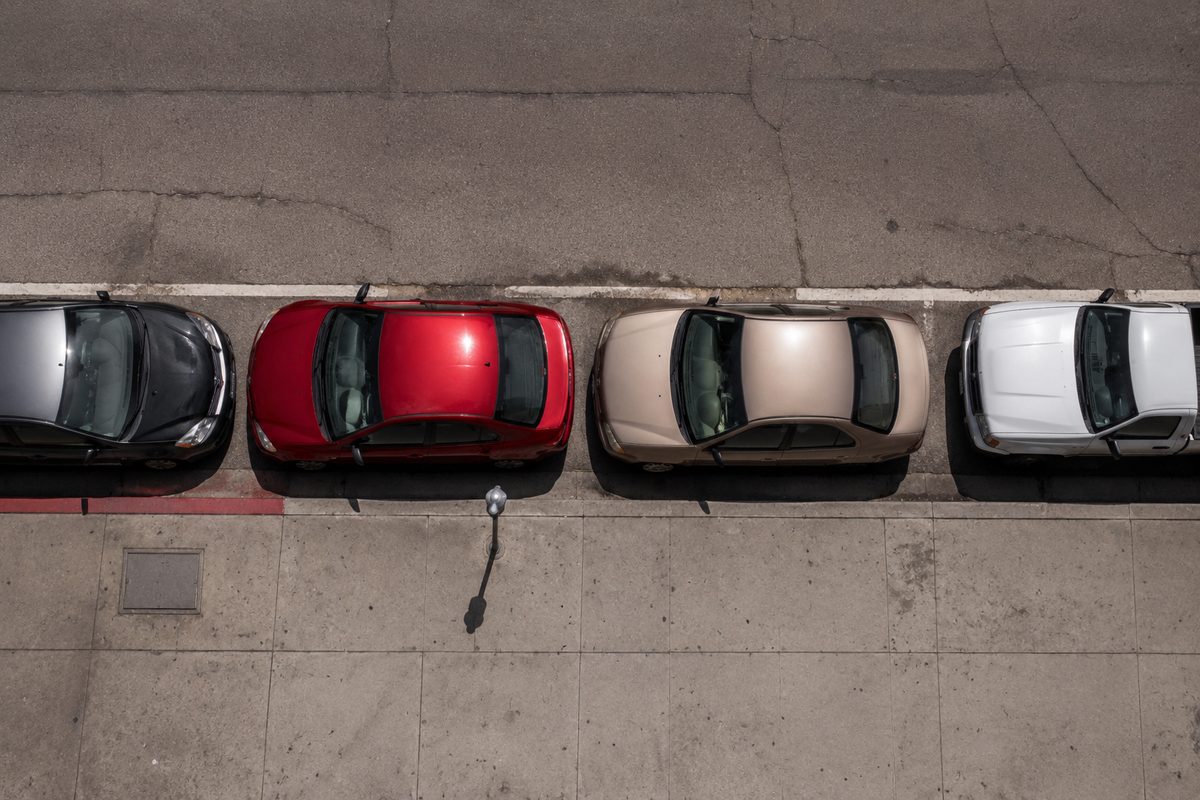
A parking ticket in Hancock Park costs $197.42 on average. In the Sepulveda Basin the average is $60.66, roughly a third as much, according to an analysis of more than a decade of Los Angeles Department of Transportation citation records published August 20, 2026 by Crosstown, the data-news site. Citywide, the average ticket is $89.74.
The fine schedule doesn't move when you cross a neighborhood line. What changes is which violations get written where. Blocking a bus lane is $293, and parking in a disabled space is $363. A commercial vehicle blocking a public street costs $1,000. Misusing a disabled placard costs $1,100, the state ceiling, which the Los Angeles City Council adopted in May 2019 after the Department of Motor Vehicles documented more than a thousand placard-abuse cases.
For a driver, that means the careless hour at a meter costs the same anywhere — $63 in Watts, $63 in Bel Air. What moves a neighborhood's average is whether the block sits next to something expensive, like a bus lane.
Crosstown's table covers 114 communities, which we counted. The five highest averages:
- Hancock Park, $197.42
- Koreatown, $162.67
- Shadow Hills, $158.24
- Fairfax, $151.28
- Inglewood, $137.33
And the five lowest:
- Sepulveda Basin, $60.66
- Carthay, $63.17
- Sherman Oaks, $63.94
- Windsor Square, $65.06
- Studio City, $65.18
Hancock Park's most common citation is an expired meter. The average is carried by Wilshire Boulevard, along the neighborhood's southern edge, where the 720 bus rolls past with a windshield camera writing $293 bus-lane tickets, Crosstown reported. Through 2026 so far, those camera tickets are 6.5% of the citations written citywide, the outlet found. Their share of the money is larger: Crosstown put bus-lane fines above $15 million, more than a fifth of everything the city assessed.
Officers were writing roughly 570 bus-lane tickets a month before the cameras. The cameras write about 9,650. The program went live in February 2025 on the 720 on Wilshire Boulevard; the 212 on La Brea Avenue started with it, and three more lines have been added since. By the close of its first year it had produced 115,890 citations, with $19.6 million in fines assessed, figures Crosstown attributes to StreetsBlogLA.
The city has reasons to care about the arithmetic. Parking enforcement stopped paying for itself in 2017. By fiscal year 2025 the gap between what the program cost and what fines brought in topped $50 million, Crosstown reported. Ticket volume is down from the pre-2016 pace of more than 2.3 million a year, as the division has trouble filling jobs and replacing officers who retire. In October 2025 the City Council raised the meter rate to $1.50 an hour. That's a 50% increase, and in the busiest areas metered hours now run to midnight. The city's projection for parking-fine revenue this fiscal year is $125.6 million.
The department's own fine study, delivered around the same time, found the amounts mostly in line with how serious each violation is. It recommended a mix of increases and reductions, projected at $8 million over five years. One recommendation goes down: cut the blocked-driveway fine from $68 to $53. More drivers would actually pay it, LADOT estimates, for an extra $113,534 a year.
Eagle Rock averages $68.18 in Crosstown's table, not because enforcement is lighter but because the expensive violations aren't available to commit there. Metro broke ground in April 2026 on a bus rapid transit line with dedicated lanes down the center of Colorado Boulevard. Crews are due in Eagle Rock in the fall, and Metro expects buses running before the 2028 Olympics, the outlet reported. Metro plans camera enforcement on roughly 300 more buses, up from about 100 now, and LADOT wants the systems on city DASH buses. Crosstown doesn't say whether the Colorado Boulevard line will carry them.
The state law authorizing camera enforcement expires January 1, 2027. AB 1837, a bill that would make it permanent, has cleared the Assembly and every Senate committee and is waiting on a floor vote.
Source: xtown.la, retrieved September 2, 2026.
Comments 0