 ™
™California Bill Would Bar Bosses From Collecting Brain Data — Unless It's for Safety
AB 1883 has cleared the Assembly and most of the Senate. Grocers, hospitals, wine growers and local governments are pushing back, and a broader neural-data bill died by veto last year.
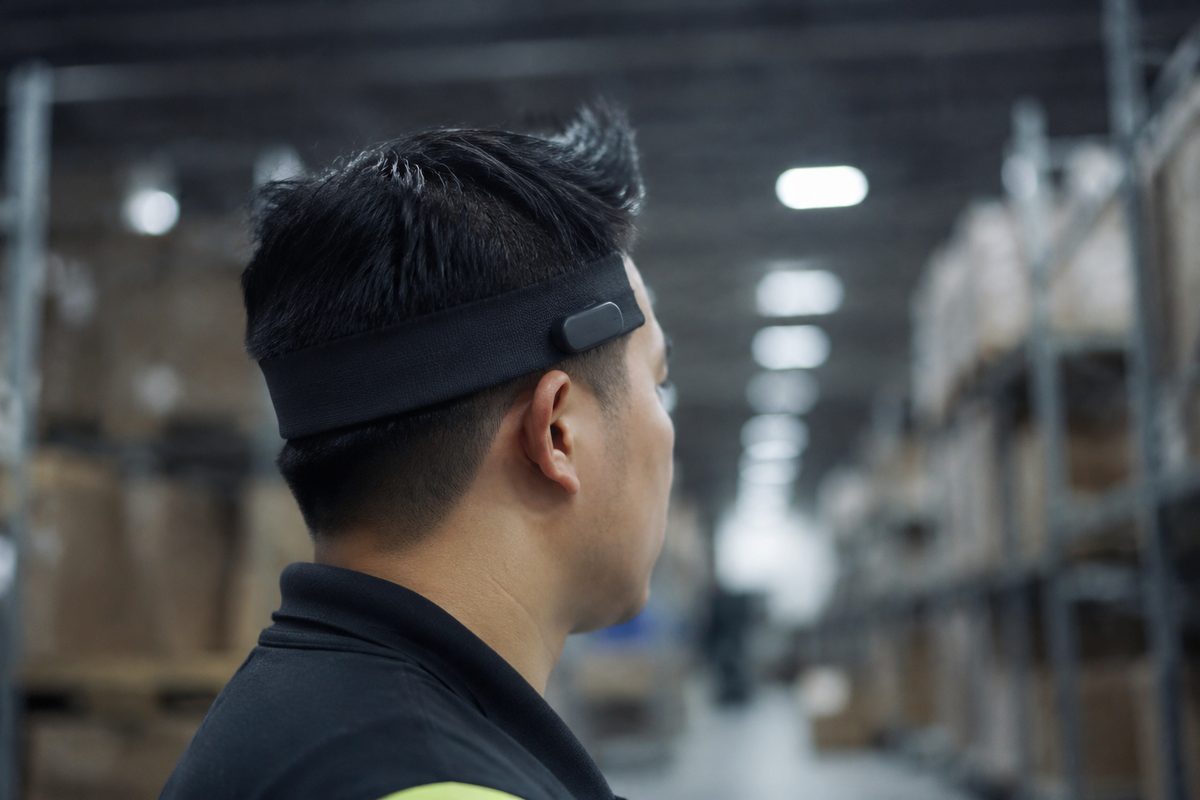
Brain sensors are already at work in California, and the state Legislature is trying to write the rules before they are everywhere. A bill from Assemblymember Isaac Bryan, a Democrat from Inglewood, would regulate workplace "bossware" and prohibit employers from collecting brain data unless that data is used for safety. Assembly Bill 1883 has already passed the Assembly, and it's most of the way through the Senate, according to CalMatters reporting republished by LAist. A separate measure would widen the state's privacy law so that sensitive personal information can't be sold at all. Neural data sits inside that category.
The groundwork was laid two years ago, when lawmakers extended California's digital privacy protections to brain data. In January, new privacy agency rules take effect covering businesses that use AI to make significant decisions about people's lives — including systems that use brain data and systems built to operate in the workplace.
What the devices actually do
Neurotech gathers information through chips implanted in the brain or through sensors packed into earbuds, headbands, wristbands and augmented reality headsets. The clearly beneficial uses are real: helping blind people see, helping people with paralysis speak, helping people with neurological disorders work and communicate.
In workplaces, the current use is mostly fatigue and focus detection. Hitachi sells a headband called SmartCap that tracks how alert the wearer is; trucking and mining are the industries buying it. At an electric power company in China, sensors built into workers' hats have reportedly triggered warnings, after which those workers were sent home or moved off critical posts.
Bryan framed the bill as pre-emptive. "Much of what's in our bill is cutting-edge technology or technologies that are emerging in real time, and we are trying to address easily predictable concerns before they hit the workplace," he told CalMatters. "You'd rather not have horror stories."
Who is objecting
Opposition came from major employers, including local governments and groups representing assisted living facilities, grocers, hospitals and wine growers, per the CalMatters account. Their argument is breadth. As written, they say, the measure would also strip out tools they use to keep driving safe, to catch theft, and to stop employees behaving inappropriately toward customers.
That argument has won before. Last year a bill on automated decision systems in the workplace was amended to strip references to neural data in order to gather votes, and Gov. Gavin Newsom vetoed the watered-down version anyway, saying it placed overly broad restrictions on businesses. Coauthor Sen. Jerry McNerney, a Stockton Democrat, said Senate Bill 7 had included brain data because "that's the most personal thing you have, your brain."
The industry's open question
Many neurotech companies are based in California, including Neuralink, Science Corporation and Santa Barbara's Cognixion. Meta is exploring integrating brain data into its smart glasses, and its Neural Band is beginning to connect with them.
Duke professor Nita Farahany, who advises lawmakers on mental privacy, said workers at neurotech firms have told her their employers are choosing a business model right now — subscriptions, expensive devices, or cheap devices monetized through customers' brain data. "We're at a critical decision point for most of the neurotech companies," she said. "Privately all of them are grappling with this right now."
A 2024 study by Stephen Damianos of the Neurorights Foundation found that two-thirds of surveyed companies allowed data sharing with third parties, and that virtually all makers of non-invasive brain-computer interfaces have poor privacy terms.
Emotiv, the San Francisco maker of sensor-equipped earbuds, told CalMatters by email in June: "We do not believe neural data should be used for covert or coercive workplace surveillance." The company said SAP, Dell and JLL each used its technology in workplace experiments — training, break schedules, office layouts.
The published record does not include prices for the workplace devices sold in California, or the retention periods any single employer applies.
Comments 0