 ™
™Newsom Signs Law Banning Sale of Concert and Game Tickets Sellers Don't Own
Assembly Bill 1349 split the ticket business: StubHub lobbied against it, then backed the final version, while independent venues urged a veto.
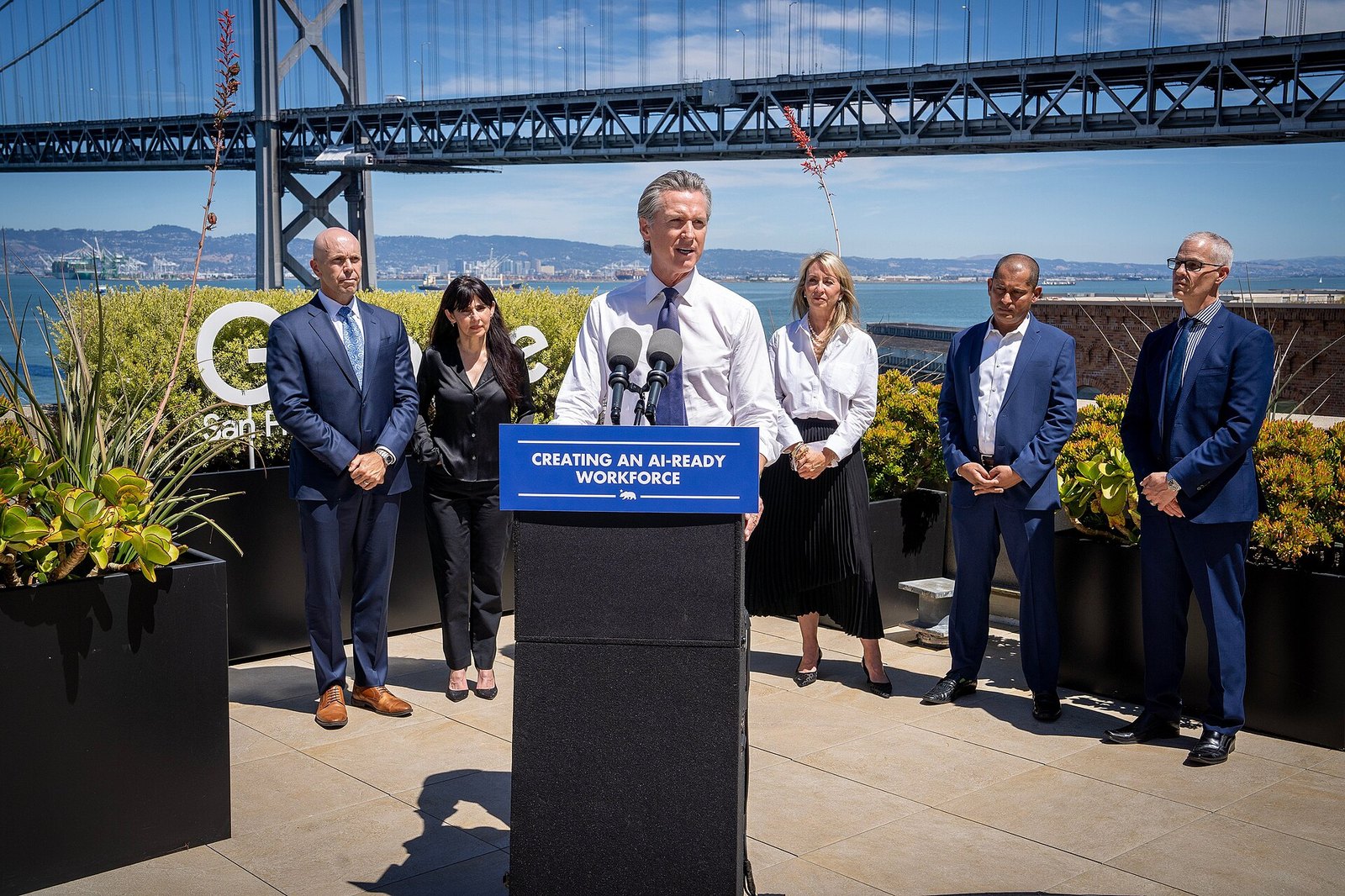
Gov. Gavin Newsom signed a law Sunday banning the sale of concert and sports tickets the seller doesn't own yet, CalMatters first reported.
Those listings are called ghost tickets, or speculative tickets. A fan pays for a seat that a reseller is betting it can buy later. The fan often pays more than the ticket will cost once it's actually on sale. Sometimes the ticket never arrives.
Assembly Bill 1349 came out of a night at the Hollywood Bowl, or at least a search for one. Its author, Assemblymember Isaac Bryan, a Culver City Democrat, told lawmakers in June that he and a friend had gone looking for seats to a Bowl concert and found costly listings posted before real tickets had been released, CalMatters reported.
When buyers get burned, Bryan said at that hearing, it can leave "our small venues in California ultimately on the hook."
What the law does
The measure bars anyone from selling a ticket they don't yet hold. It also outlaws software built to get around the purchase limits a venue sets. Resellers have to "implement reasonable measures" to keep speculative tickets off the market, and a seller who breaks the law could face misdemeanor charges and penalties.
"Buying a ticket shouldn't come with hidden risks or unfair practices," Newsom wrote on social media after signing it on September 27, 2026. CalMatters' report didn't say when the ban takes effect.
The law doesn't cap prices. A separate bill that would have held resale markups to 10% stalled in August in the Senate Appropriations Committee.
A fight between Ticketmaster's owner and StubHub
The bill started out with a powerful friend. Live Nation, which owns Ticketmaster, backed it, saying in January that "no one should be able to scam fans by listing tickets they don't have."
That support made critics wary. They worried the measure would end up helping Live Nation crowd out its rivals.
StubHub, the resale site, fought back hard. The company spent $4.4 million over the two-year session lobbying on the bill and several others, according to CalMatters.
Then StubHub switched sides.
The bill was rewritten in the last days of the session, and the version that passed is less friendly to Live Nation. StubHub backed it. Live Nation hadn't answered CalMatters' request for comment on the new law.
Independent venues wanted a veto
The National Independent Venue Association supported the original bill and turned against the final one, asking Newsom to veto it. Its leaders say the rewrite puts legal risk on music venues and festivals. They fear small venues and promoters could break the law just by selling presale, VIP or waitlist tickets.
Stephen Parker, the association's executive director, said after the bill passed that it "puts the small businesses and nonprofits that put on shows every night at risk."
The group also argues the amendments shield resale marketplaces like StubHub from being treated as speculative sellers, "even though every speculative sale happens on their platforms."
Newsom signed anyway, but he flagged the same worry. In his signing statement he said the bill may exempt marketplaces that ought to be covered. He didn't name them. Critics pointed to StubHub.
Such a carve-out "deserves further discussion," the governor wrote, and he asked Bryan to work with the industry to fix it. That puts the next move on Bryan, and the fight over StubHub's exemption back in Sacramento.
Source: calmatters.org, retrieved September 28, 2026.
Comments 0