 ™
Todd Achilles and the Death of Two-Party America.
Idaho is perhaps the most conservative state in America, but this Senate race is splitting the polls. If it flips independent, it could mark the beginning of the end for two-party politics.
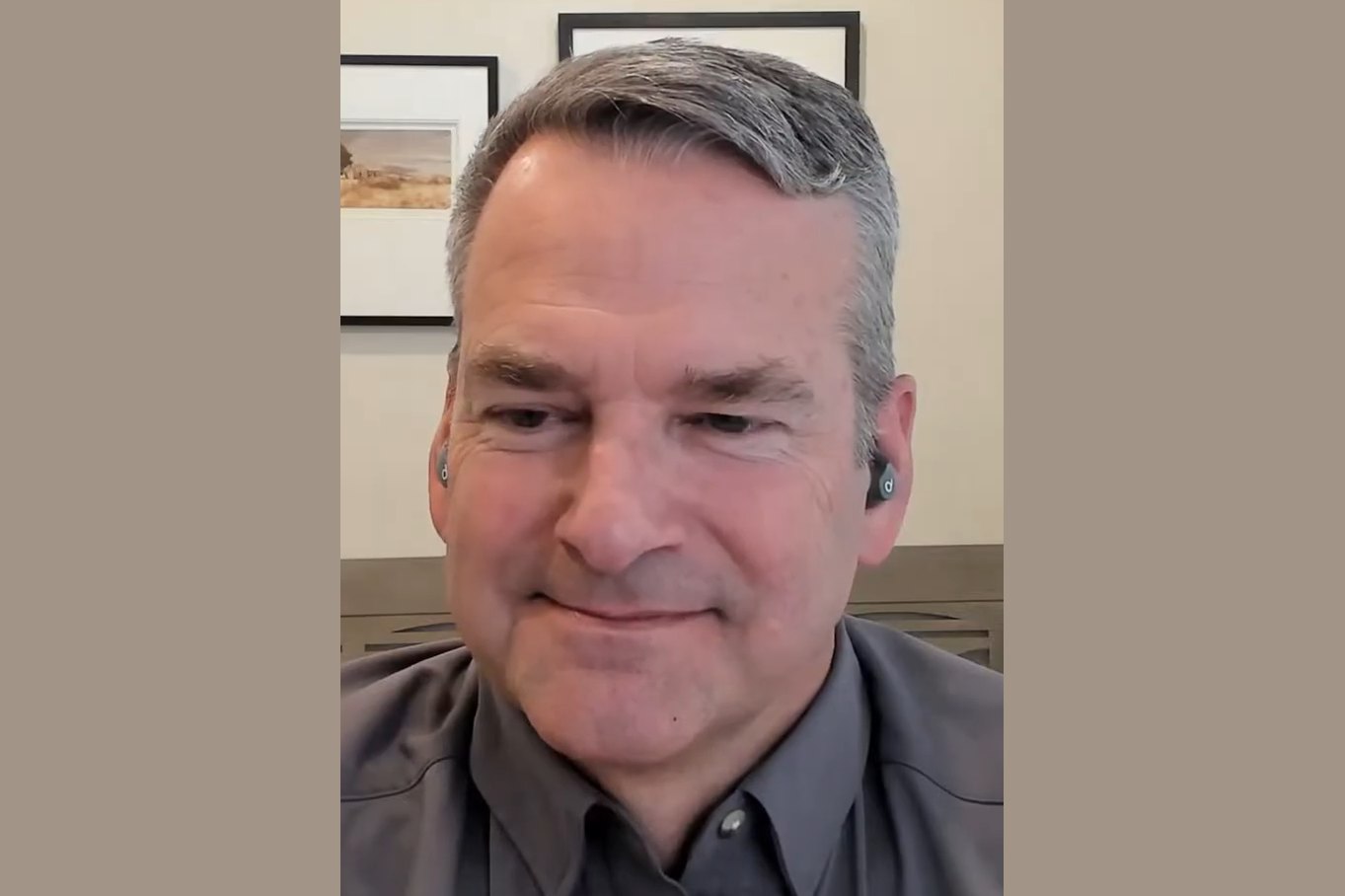

There is no way to describe the state of Idaho without using the word conservative.
In 2024, Idaho voted for Trump at a 67% clip
All four of Idaho’s US Congressmen are Republicans.
Jim Risch has been a Senator for 17 years, Mike Crapo for 27. Mike Simpson for 27 years as well. Russ Fulcher has been in the House for 7.
Risch, Simpson, and Fulcher are all running for re-election in November.
Crapo’s seat isn’t up for election, and at the end of his term in 2029, Crapo will have served as a senator in Idaho for 30 years. He will still be eligible for reelection.
Risch is the oldest Congress member in Idaho. He is 83. If he wins in November, he’ll be in office until he’s 89.
Like most Democrats and Republicans, all four of these congressmen vote according to party lines.
But Risch’s time could be up. Polls are all over the place; some show Achilles with a firm lead, some have Risch by a landslide. One thing is clear: the race is competitive. And if Risch is unseated, it would be a huge change for Idaho. With only 2 US Senators, the GOP's decades-long lock on Idaho would end.
Not counting DINO Walt Minnick (2009-2011), Achilles would be the first non-Republican representing Idaho at the national level since 1995.
Achilles’ biggest promise as a candidate is the end of the two-party system.
Achilles was a Republican until 2024, when he became a Democrat for a year or so. And on July 1, 2025, he announced his run for US Senator of Idaho as an independent.
This begs the question: is he just another Dino/Rino going through a rebrand?
Not really. His politics don’t fit either mold.
Here is a bit of his platform:
He’s anti-gun control.
He doesn’t believe the government should interfere with gay marriage.
He’s for strong border control with a full overhaul of America’s immigration and agricultural labor laws, supporting much of Trump’s immigration policy, but wants unmasked, body-cam-wearing, law-abiding enforcement.
He’s against the president’s unilateral use of tariffs and supports congressional control of the country’s finances.
He’s for lower taxes on small businesses and families, but against what he calls “corporate socialism,” or special rules that only benefit giant companies.
He proposes significant healthcare reform, including introducing a “strong public option” to compete with private insurance, transparent pricing, a ban on pharma ads, and reducing the control employers have over employee healthcare (minimum working hours, portability, etc.)
Achilles is a veteran of the Persian Gulf. He served from 1992 to 1995.
As a vet, Achilles is against unilateral presidential military action. He wants Congress to have control over undeclared wars, like the ones we had in Iran, Afghanistan, Iraq, Vietnam, etc. That doesn’t mean he’s a pacifist; instead of extended “military actions,” Achilles wants to declare war in every major or prolonged military action. The US hasn’t declared war officially since 1942, and he argues that this is not only an abuse of presidential power, but it also prevents veterans from accessing the benefits they have earned.
He’s also for public land conservation. He supports the Roadless Rule and some “voluntary” environmental restrictions, though the specifics of enforcement aren’t exactly clear.
The biggest questions we still have after researching the man are:
What’s his stance on Israel, Palestine, and Gaza? We dug through interviews and his own published media and couldn’t find a clear answer. He isn’t an AIPAC candidate, and his rhetoric supports treating Israel like “any other ally,” while also calling Israel “important” and “the only democracy (in the Middle East).”
He claims to want to lower taxes on working people, reduce the national debt, and preserve healthcare tax credits. He is explicitly against the $500 billion defense budget increase. He has also proposed closing tax loopholes, but is that enough? We want a more specific budget plan, but his economics look conservative in the classical sense of the word.
He’s firm on enforcing immigration and calls for an overhaul of the immigration system as a whole. But what exactly does that overhaul look like?
How do we reconcile environmental conservation with the agricultural needs of Idaho? Will he force ranchers and farmers to follow rules that hurt their bottom line but save the land?
As far as we know, these questions haven’t been answered directly by Achilles.
If he wins in November, we’ll need those answers.
Comments 0