 ™
™The Dodgers Sold Their Future to Get Swept in the NLCS
The Dodgers owe over a billion in future payments. Here's how deferments could derail the dynasty.

.jpg)
Baseball bookkeeping is notoriously shady.
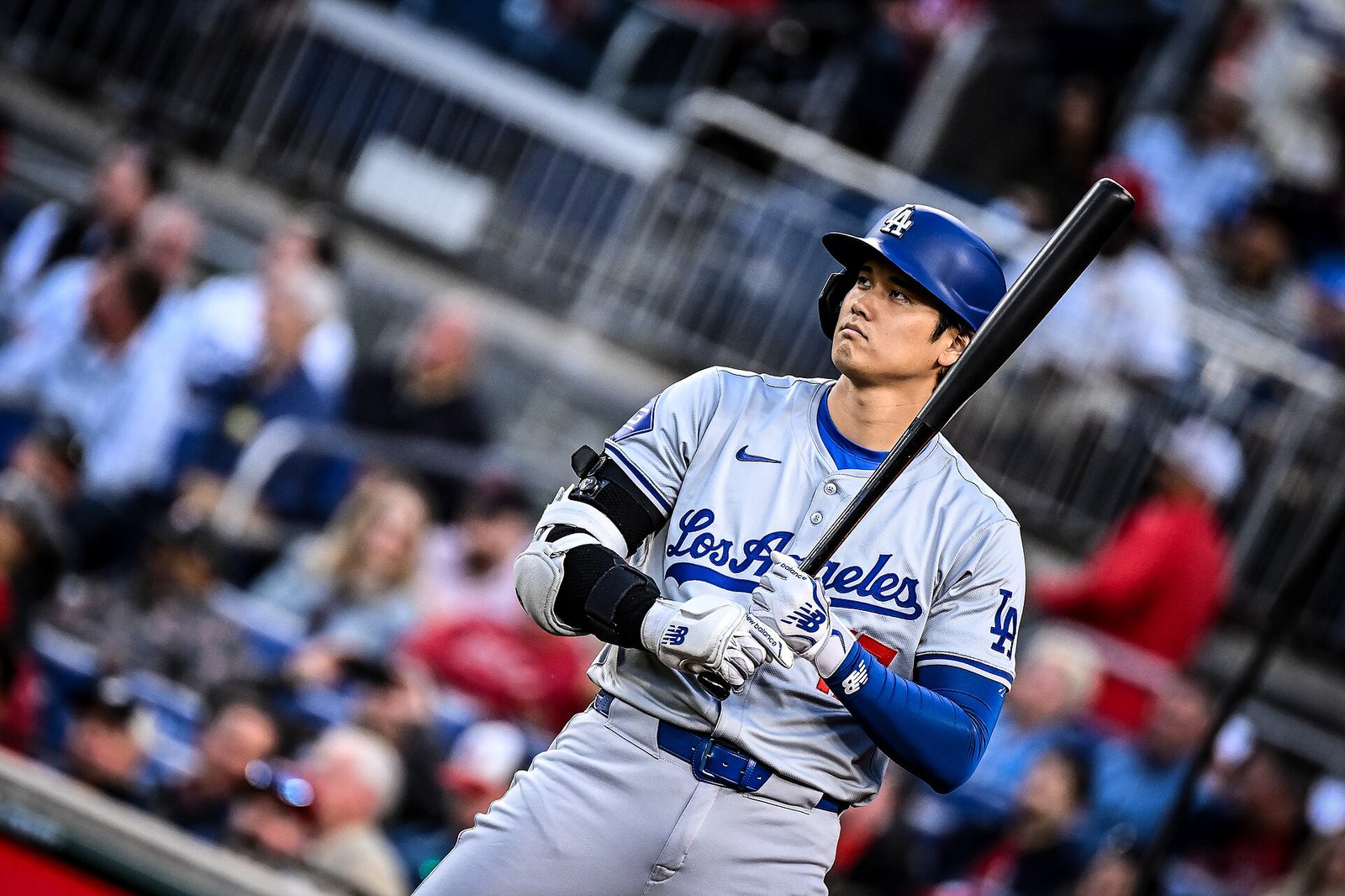
Shohei Ohtani is officially earning “only” $2 million a year. But his total contract is worth $700 million.
There are signing bonuses, incentives, sponsors, and more, but the Dodgers have leveraged one financial tool more than any other: deferments.
The Dodgers owe over a BILLION dollars in total deferred contract money. That’s a billion dollars spent to win the World Series as many times as possible before Guggenheim actually has to start mailing those checks (the funding is already set aside but stays home util it’s due)
The most egregious deferred salary in baseball belongs to Shohei Ohtani. When Ohtani’s playing contract is up in 2033 (he’ll be 39), the Dodgers will stop paying him $2 million a year and start paying him $68 million a year.
Other MLB teams use deferred salaries, but it’s not in the same ballpark as the Dodgers. While the Dodgers have about $1.1 billion in deferred money, the second-highest deferred contract total belongs to the New York Mets at around $180 million. Mookie Betts has about $120 million deferred.
Deferred contracts do still count against team salaries, though. But there is no hard salary cap in baseball. Instead, there is a luxury tax.
Any team payroll above $244 million per year is subject to a progressive tax (officially called the Competitive Balance Tax, but better known as the luxury tax). The luxury tax is a system in which teams can pay extra if they want to bankroll a team beyond that $244 million. It is essentially a pay more to pay more scheme, and repeat offenders pay more each year.
But the luxury tax payroll isn’t just total value divided by playing years. And this is how the deferments give the Dodgers an edge: deferred payments only count for present-day luxury tax value. Ohtani’s 2023 contract had a 4.43% yearly discount. Instead of $70 million a year, the Dodgers only count $46.1 million a year for the luxury tax payroll. That’s the reason his contract was structured so strangely. It’s baseball bookkeeping at its absolute greasy peak.
And after a very expensive 2026 season, the Brewers head to the World Series following a humiliating sweep of the Dodgers with just $38 million in deferred cash. That $1.1 billion didn’t buy a single NLCS win in 2026. The 2024 and 2025 World Series victories made it easy to ignore those big payrolls, but time is running out on the prime of a team that will have to be paid well into the 2040s.
Stats for deferred money from Spotrac
Comments 0