 ™
™Starship Lifts Off on Its First Orbit Try as SpaceX Trends in California
The 407-foot rocket left Texas after an unexplained six-day delay, carrying 26 bigger Starlink satellites on a nearly 10-hour flight plan.
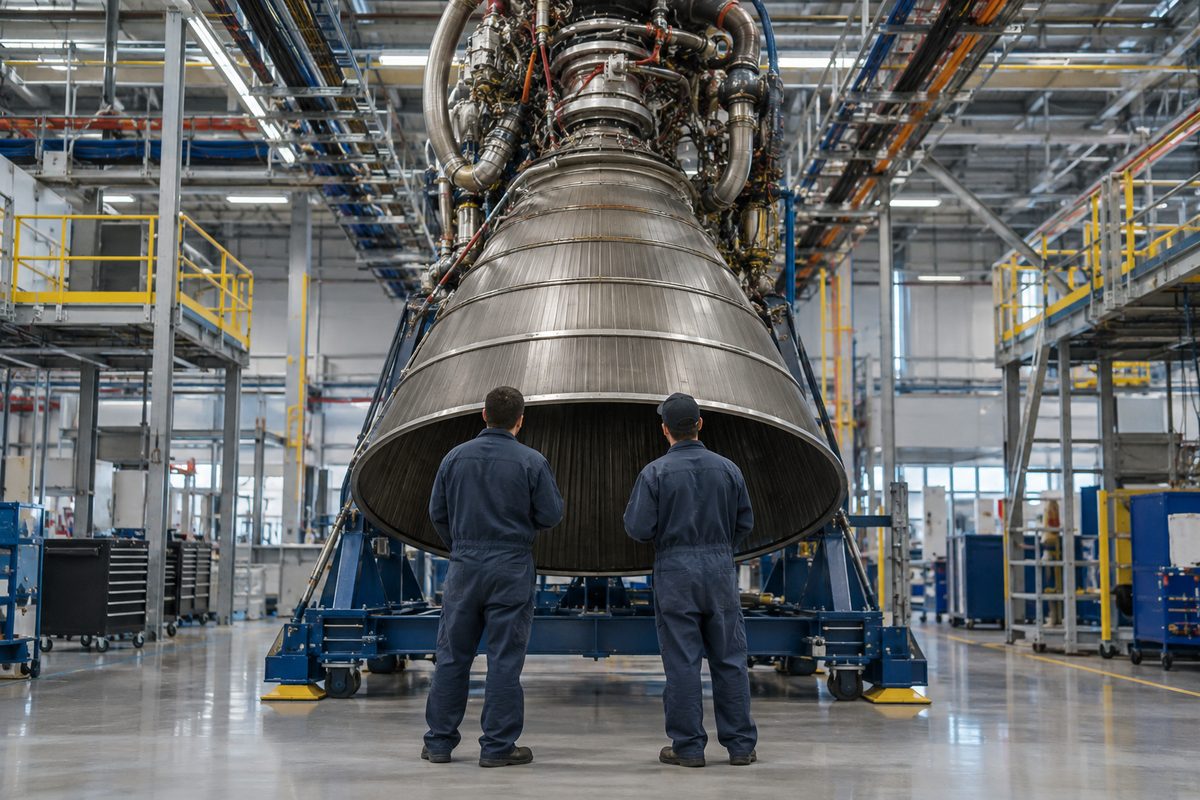
Elon Musk's biggest rocket lifted off from Starbase, Texas, on Monday on its first attempt to circle the Earth, NewsNation reported.
The launch of SpaceX's Starship came after a six-day delay nobody explained, according to the NewsNation report KTLA carried. The flight plan ran nearly 10 hours, from the Texas pad to a splashdown in the Pacific off the coast of Chile.
California was paying attention. The search term "spacex" passed 1,000 searches on the state's trending-search board on Monday, and Starship Flight 14 was trending on Bluesky. SpaceX moved its headquarters to Texas, but it still has a site in Hawthorne, so a lot of people here have a reason to care how this one goes.
What left the pad
Starship stands 407 feet tall and comes in two pieces. The top half is the spacecraft, which SpaceX calls Ship. The bottom half is a huge booster called Super Heavy.
Super Heavy did the heavy pushing off the pad, then broke away. It was set to come down in the Gulf of America, the body of water formerly called the Gulf of Mexico. Ship kept going, aiming for a height of about 170 miles.
Then came the wrinkle.
NewsNation reported that Ship had lost one of its 33 engines, and that the loss could weigh on whether the flight went ahead with the orbit at all.
Six laps, then home
If everything held, Ship was expected to go around the planet six times, relight one of its engines, drop back through the atmosphere and land in the Pacific near Chile. That's the part SpaceX has been chasing, and it's why the launch drew so much attention.
Andy Allen, a former NASA Space Shuttle commander, put it plainly on NewsNation's "Morning in America": "This is the next step to taking this extremely complex vehicle and getting it into orbit." He also called the flight a "critical step" toward eventually flying people on Starship.
Why your internet might be involved
Ship was also carrying 26 new Starlink internet satellites, bigger than the ones already up there. They're meant to link into the full Starlink network, and they could begin serving customers within a few weeks, the outlet reported.
The bigger prize is cost. A successful flight could make it cheaper to put larger, heavier satellites into space, and I'd argue that's the payoff most people will actually feel, long before anyone walks on Mars. Musk wants Starship there eventually, and he hopes it could one day support permanent settlements.
The nearer deadline is the moon. NASA hired SpaceX to build a version of Starship that lands astronauts there under its Artemis program, and the first crewed Artemis landing is slated for early 2028.
Source: ktla.com, retrieved September 28, 2026.
Comments 0