 ™
Palisades Fire Arson Conviction: What Victims Can Do Before Sentencing
Federal prosecutors ask anyone with questions to email their victim team, and federal law gives victims a right to speak at sentencing.
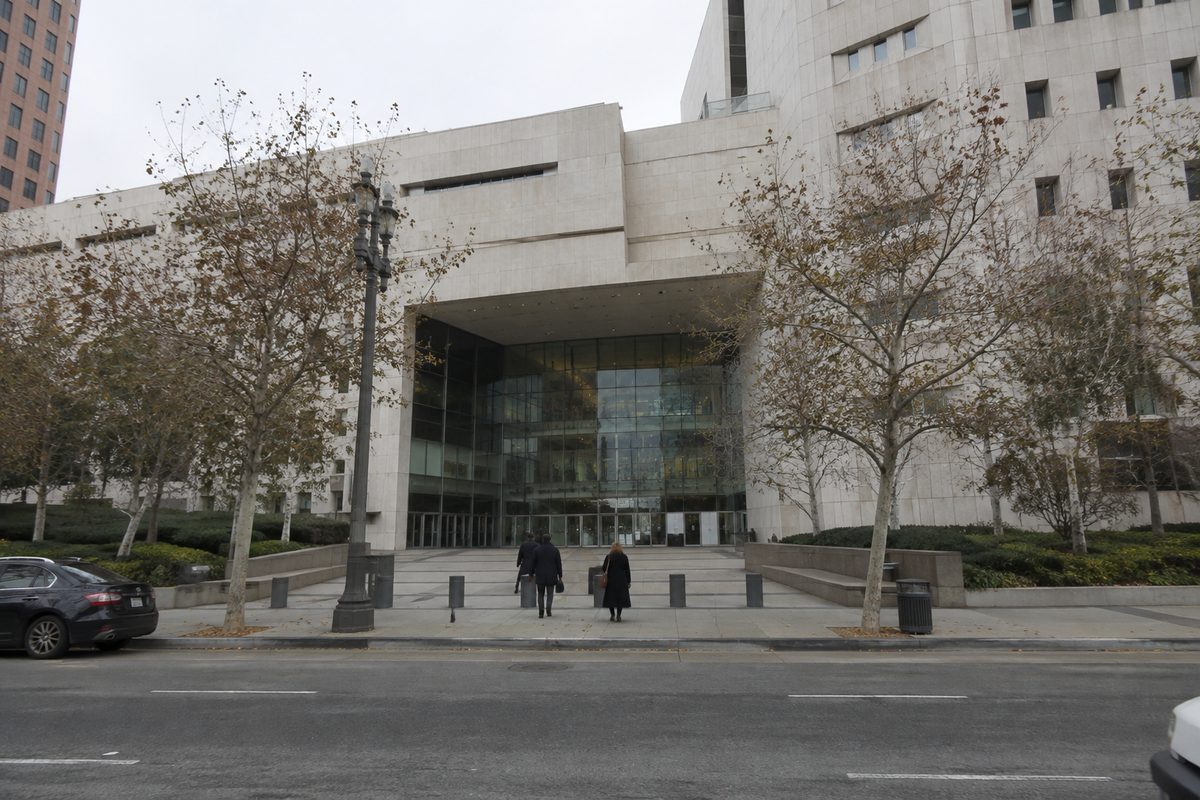
If the Palisades Fire took your home, your business or a relative, federal law lets you speak before the man convicted of starting it is sentenced.
A federal jury in downtown Los Angeles found Jonathan Rinderknecht, 30, guilty on both counts Friday, the Santa Monica Daily Press reported. It was his second trial. The first, in June, ended in a mistrial after jurors split 10 to 2 in favor of acquittal.
Jurors found that he lit the Lachman Fire on Jan. 1, 2025. Prosecutors argued it burned unseen in root systems for six days, then flared up Jan. 7 as the Palisades Fire, which killed 12 people in Los Angeles and Malibu. He'd pleaded not guilty. His attorney, Steve Haney, told jurors that people had walked across the area for days before Jan. 7 and pointed to fireworks as another possible cause.
Each count carries at least five years and up to 20 in federal prison, and sentencing is set for March 17, 2027, according to the Santa Monica Daily Press. Haney said in a statement that the defense was disappointed but respected the jury, and that it would look at its options, an appeal among them, when the time comes.
One thing the verdict doesn't decide is how the fire was fought. Jurors were told not to consider the Los Angeles Fire Department's role in putting it out.
Federal prosecutors have a case page for victims. It lists families of people who died, residents and business owners whose properties burned, and public agencies whose property burned. It says thousands of people were displaced. As of Friday it said only that a verdict had been reached. It hadn't explained how victim statements will be collected. Here are the steps the law and the office have laid out so far.
- Check that the law counts you. You qualify if the crime hurt you firsthand: the federal Crime Victims' Rights Act covers a person "directly and proximately harmed." If the person harmed has died, family members or the estate's representatives can use those rights in their place.
- Email the victim team. The U.S. Attorney's Office asks anyone with questions to write to Victim Assistance at USACAC.PalisadesFire@usdoj.gov.
- Put March 17, 2027 on your calendar. The case is before U.S. District Judge Anne Hwang in Courtroom 9C, on the ninth floor of the federal courthouse at 350 W. 1st St. The law gives you a right to notice of public hearings and to sit in on them. The office says its page will be updated as the case moves, so check it before you go.
- Say you want to be heard, and say it before the hearing. At sentencing, the statute says a victim may be "reasonably heard." When there are too many victims for everyone to speak, it lets the judge set a reasonable procedure. No procedure has been posted yet.
- Ask about restitution. The act promises full and timely restitution as provided by law, plus a reasonable right to talk with the prosecutor. Ask the victim team how losses will be documented.
Waiting has a cost. The statute lets a victim try to reopen a sentence only if the victim asked to be heard before or during the hearing, was refused, and asked the appeals court for help within 10 days.
Source: smdp.com, retrieved November 21, 2026. Other sources: justice.gov, justice.gov (2).
Comments 0