 ™
Measure ES Would Move Santa Monica's $12 Million School Bill to Owners
The $495 parcel tax would replace a city payment to schools that expires June 30, 2027, and needs only a simple majority.
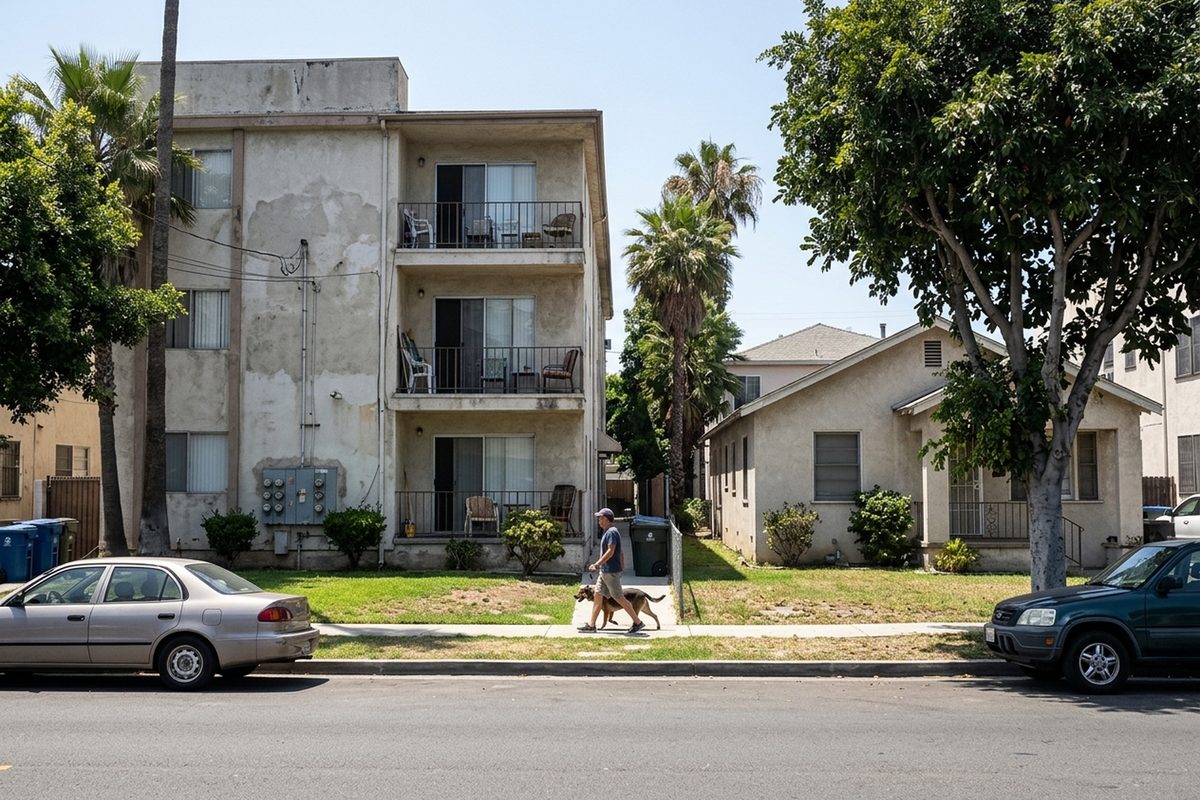
A Santa Monica condo owner and the owner of a big commercial property would pay the same $495 a year under Measure ES, with no end date.
That flat rate rises each year with inflation and is expected to raise about $12 million a year for Santa Monica-Malibu Unified School District, the Santa Monica Daily Press reported Monday. The measure's stated job is to replace the money the city already sends the district under the Master Facilities Use Agreement, a deal that expires June 30, 2027.
So the number that matters isn't $12 million. It's whose wallet it comes out of. Today City Hall covers it from its general fund; if ES passes, the bill lands on property owners, parcel by parcel.
The ballot question, posted on the city's election page ahead of the Nov. 3 vote, says the tax would run "until repealed by voters." The measure's purpose section points to Sept. 9, 2025, when the City Council adopted a resolution declaring local fiscal distress. It says the tax is there so schools "do not suffer financial harm due to the City's fiscal distress."
How ES got on the ballot changes the math of winning. Its text opens as a petition from registered Santa Monica voters asking the council to put it before voters. Because it qualified that way, it needs a simple majority instead of two-thirds, even though it's a new tax, the Daily Press reported.
That route may not stay open. Voters across California also decide Proposition 43 on Nov. 3, and it would raise the bar to two-thirds for local taxes earmarked for specific services, LAist reported. That, LAist said, would make it tougher for citizen groups like the ones behind the Santa Monica and Culver City parcel taxes to win in the future.
Not every parcel would pay. Seniors 65 and up who live in the homes they own are carved out, along with 501(c)(3) nonprofits, buildings that are entirely affordable housing, and tax-exempt religious groups and schools. Renters wouldn't get the bill directly. LAist noted, though, that landlords can pass a parcel tax on through rent increases, within whatever limits apply where they live.
Opponents call ES "a back-door City tax increase," according to the Daily Press. They point to the district's own books: a $9 million surplus last year, surpluses averaging $14 million a year, and $84 million in reserves.
Run that reserve against the gap, and it doesn't stretch far. Covering $12 million a year from the $84 million alone would drain it in about seven years, the Daily Press calculated, and much of that cushion is one-time money.
Supporters say a permanent tax would protect schools from City Hall's money troubles. That permanence has another side: with inflation built in and no expiration, changing it later would take another ballot measure.
Malibu is the odd piece. Every dollar goes to Santa Monica-Malibu Unified or a future Santa Monica-only district, and a new Malibu district would get nothing. Critics object that Malibu schools benefit while Malibu owners don't pay. That complaint would end once the districts separate.
Voting no wouldn't keep things as they are. The council has ordered backup plans in case ES fails, and the city agreement runs out June 30, 2027, either way. On Nov. 3, voters decide whether Santa Monica's property owners pick up a bill City Hall has been paying.
Source: smdp.com, retrieved October 20, 2026. Other sources: santamonica.gov, LAist.
Comments 0