 ™
™Two Federal Agencies Opened a Parental-Rights Action Against L.A. Unified
The Education and Justice departments cite FERPA and the Protection of Pupil Rights Amendment; the district says it hasn't been notified.
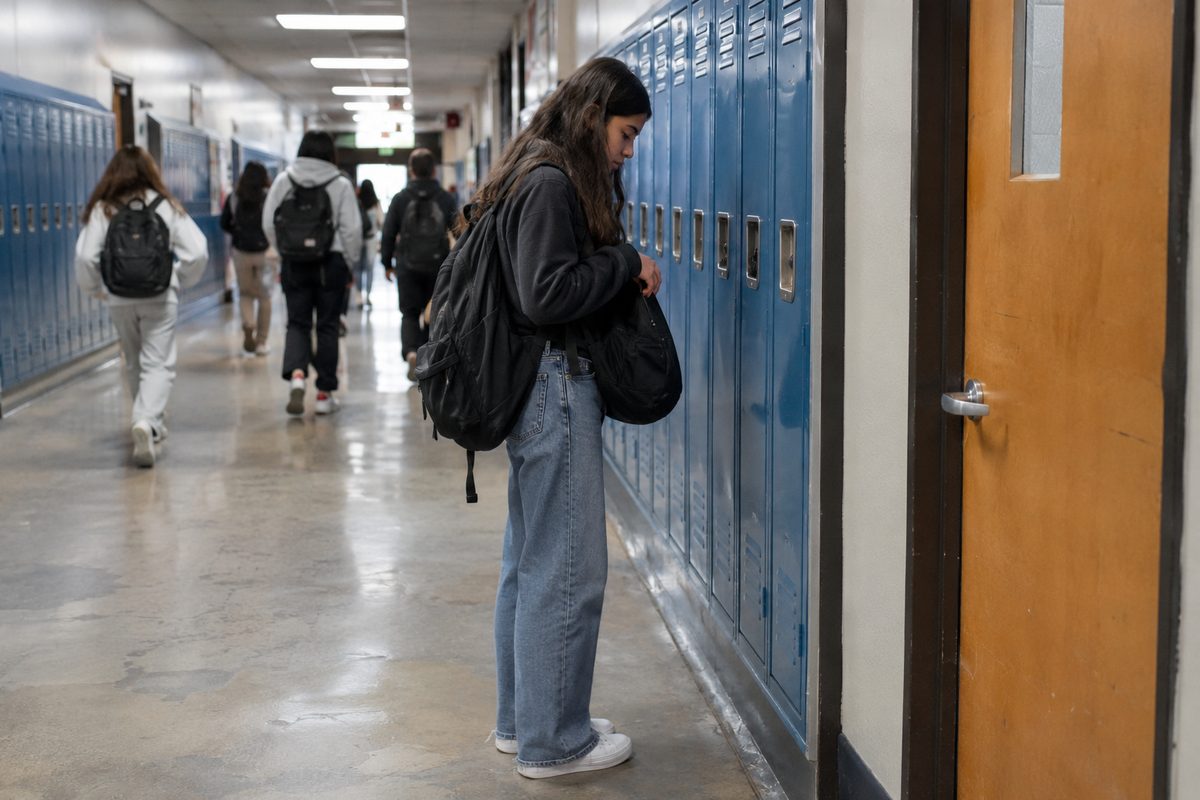
The Justice Department and the Education Department announced on Monday that they had opened an enforcement action against the Los Angeles Unified School District over policies they say keep information about students from parents. The joint announcement runs under a headline about parents not being terrorists, names two federal statutes, two guidance letters and two cabinet officials. It doesn't name a filing, a docket or a date.
The district says it has not been notified of any new enforcement action. Here is what the documents establish, and where they stop, in eight bullets.
1. What was announced, and what was not
The release is dated Oct. 5, 2026, and carries the Civil Rights Division's number 26-1137. Its main business is a joint letter to every state attorney general in the country, telling them that federal law gives parents the right to know what it calls the most sensitive and personal information about their children. The enforcement action against L.A. Unified is announced in a single passage, “for policies that require staff to keep sensitive information hidden from parents.” Federal officials gave no details of the action itself, the Los Angeles Times reported in a story by Howard Blume.
2. The policy language the government quotes
The release quotes the district's own policy twice. It says the policy directs employees to “privately ask the student how they want to be referred to when communicating with parents/legal guardians,” and that staff must keep a student's self-professed “gender identity” private or confidential, including from parents. An Education Department official who spoke to the Times without being named said the confidentiality provision likely violates the federal protection for parents inspecting education records, and that the “privately ask” interactions likely violate the Pupil Rights Amendment’s requirement of prior written parental consent. The release doesn’t identify which district bulletin those phrases come from, and the Globe could not locate it; the wording above is the federal government’s rendering of the policy, not the policy itself.
3. What the two laws actually require
We read the Education Department's own plain-language statement of both statutes. Under the Family Educational Rights and Privacy Act, a district that takes Education Department money may not keep a policy or practice of denying parents three things: inspection and review of education records within 45 days of a request, the chance to seek amendment of records they believe are wrong, and consent before personally identifiable information is disclosed. Those rights pass to the student at 18. The Protection of Pupil Rights Amendment — the Hatch Amendment, which the Times dates to 1978 — requires notice and written parental consent before surveys or evaluations that ask students about sensitive subjects, among them mental health, sexual behavior and religious belief. The department's Student Privacy Policy Office enforces both, and the release points to guidance letters it issued in March 2025 and on Aug. 26, 2026.
4. What the district says
L.A. Unified says it hasn't been served. “At this time, L.A. Unified has not been notified of any new or additional enforcement actions by the U.S. Department of Justice,” the district said in a statement to the Times, adding that it “complies with all applicable state and federal laws and will continue to do so.” Officials said Monday they were unaware of any new demand or filing, and the district declined to answer the specific allegations the unnamed official described. EdSource’s account of the action, republished by LAist, reports the same denial.
5. The money nobody has mentioned out loud
L.A. Unified's federal funding runs past $1.1 billion a year, and it is already in play across several disputes with this administration, this one included, the Times reported. The Oct. 5 release attaches no funding consequence to the action and names no remedy at all. What a federal privacy enforcement action does to a district's money, in practice, isn't stated anywhere in the document.
6. This is the fourth open federal matter, not the first
The Times lists three others. In January 2026 the Justice Department moved to intervene in a suit alleging the district discriminates against white students through class-size practices at majority-nonwhite schools, a suit the ACLU is defending the district against. In April the Education Department reopened an investigation into the Black Student Achievement Plan. In May it opened another into how the district handles accusations of sexual misconduct by teachers.
7. California law points the other way, and is partly enjoined
AB 1955, the SAFETY Act, was signed on July 15, 2024, and barred California districts from adopting policies that require staff to disclose a student's sexual orientation, gender identity or gender expression. It's no longer fully in force. On June 18, 2026, in City of Huntington Beach v. Newsom, the Ninth Circuit preliminarily enjoined two of the sections it added, Education Code 220.3(a) and 220.5(a), for seven objecting parents who had sued, according to a client alert from the education law firm Atkinson, Andelson, Loya, Ruud & Romo. The court granted reconsideration on a change in legal circumstances, having twice denied the same relief before.
8. What the Supreme Court actually did, and did not do
The change in circumstances was Mirabelli v. Bonta, No. 25A810, decided on the emergency docket on March 2, 2026. The Court vacated the Ninth Circuit's stay of a district court's permanent injunction as to the parents in the case, and denied the application otherwise, which left the teachers where they were. Nondisclosure policies of this kind, the per curiam opinion said, “likely violate parents' rights to direct the upbringing and education of their children,” and likely draw strict scrutiny because they “substantially interfere” with “the right of parents to guide the religious development of their children.” Justice Barrett wrote a concurrence joined by the Chief Justice and Justice Kavanaugh; Justice Kagan dissented, joined by Justice Jackson, arguing the case should have gone through ordinary merits review. The order decided likelihood of success, not the merits, and the Ninth Circuit still holds the underlying appeal.
Which leaves California schools inside a narrow gap rather than on one side of a line. It remains illegal in California to make staff volunteer a child's gender identity to parents, and, after the Supreme Court's order, parents must be told when they ask, the Times reported.
No case number is public, no deadline is public, and the district says it hasn't been served. The letter went to all 50 attorneys general, which puts California's own on the list of people who move next.
Sources: justice.gov (the Oct. 5 joint release), Los Angeles Times via yahoo.com, laist.com, studentprivacy.ed.gov, law.cornell.edu, aalrr.com; retrieved October 7, 2026.
Comments 0