 ™
™Critics Call Ava DuVernay's '14th' Vital, Then Split on Whether It Works
The Netflix follow-up to '13th' closed the New York Film Festival, and one critic's 'stunning' was another's necromancy.
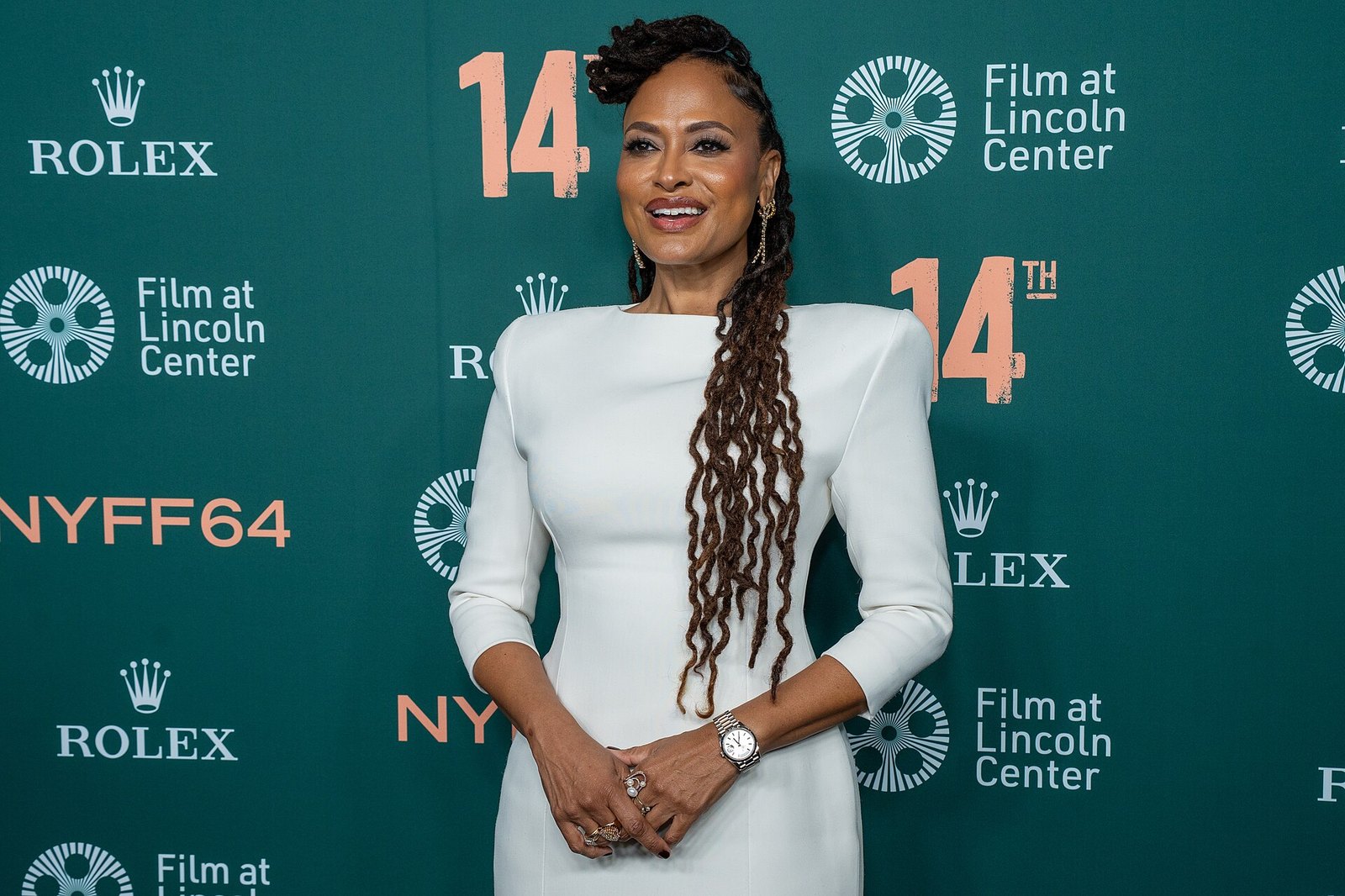

Two critics wrote about the still photographs Ava DuVernay sets in motion in "14th," her follow-up to "13th," and came away with opposite verdicts.
In Deadline's review Oct. 9, Matthew Carey praised the film's "stunning animation of still photos." The same night in TheWrap, Siddhant Adlakha wrote that giving old photographs of enslaved and newly freed people depth and movement, work he credits to the generative AI studio Asteria, "may as well be necromancy." That split runs all through the reviews of the documentary, which closed the New York Film Festival and comes to Netflix on Dec. 4. The critics agree on what it's saying. They fight over whether it's a movie.
Five reviews went up the night of Oct. 9: Carey's and Adlakha's, plus Owen Gleiberman's in Variety, Daniel Fienberg's in The Hollywood Reporter and Beandrea July's in IndieWire. Carey and Adlakha make the longest arguments, so they carry most of the weight here. We haven't seen "14th," so every scene mentioned comes from the critics.
Deadline describes a sequel in the strict sense. "13th" took on the 32-word amendment that ended slavery and got an Oscar nomination. The new film goes section by section through the much longer 14th Amendment and argues that it laid the groundwork for a multiracial democracy. It opens, Carey writes, on presidents taking the oath to defend the Constitution, ending with Donald Trump. Then it cuts to Trump telling NBC's Kristen Welker that he didn't know whether he had to uphold it, and that he has brilliant lawyers.
Both critics hold that opening up against "13th," and both find the new film cooler. Carey doesn't expect it to match the earlier film's awards run, because "13th" had a human face in mass incarceration and an amendment is more abstract. Adlakha comes at it from a different side. In his telling, "13th" traced cause and effect, while "14th" mostly draws comparisons, and it only gets to the present, migrants and ICE raids under Trump's second term, near the end.
Carey reads that present more as a warning. Per his review, the film points out that the Supreme Court threw out Trump's order denying birthright citizenship by 6-3, with Justices Clarence Thomas, Samuel Alito and Neil Gorsuch dissenting, and it makes clear that the fight isn't over.
Then come the comedians. Carey calls the film's clips of George Carlin, Paul Mooney, Hasan Minhaj and Neal Brennan its most daring move. Adlakha sees the same mix and thinks it works against the film. The historians and lawyers get the same quick soundbite treatment as stand-up comics and Twitch streamers, he writes, though he names interviewee Sherrilyn Ifill as the film's emotional center.
Underneath, the two disagree about what a documentary owes its audience. Carey admits "14th" is didactic, a history lesson, and argues that's exactly why every American should see it. Adlakha calls it "more factual document than documentary cinema," made for people who already agree and unlikely to move anyone on the fence. Even so, he calls its politics lucid and the film an important statement.
The other three lean Carey's way, especially on the pictures. Gleiberman calls it a powerful sequel that turns the amendment into living history, with one dissent: he balks when the film puts DEI on a constitutional footing with the Voting Rights Act. Fienberg calls it essential and compelling, finds that the photo effect keeps the film lively, and can't understand why Netflix is releasing it after the Nov. 3 midterms. July finds it overstuffed, with more than 50 talking heads, yet says the old photographs, set moving by animation, are one of the best things in it.
The critics' verdict: "14th" matters, and whether it moves anyone depends on how much a lesson needs to be a movie. The film opens on a president who said he didn't know if he had to uphold the Constitution. On whether it tells viewers what to do about that, the two long reviews couldn't be further apart. Carey calls it a fitting call to action, and Adlakha writes that it doesn't have one.
Source: Deadline, retrieved October 16, 2026. Other sources: TheWrap, Variety, The Hollywood Reporter, IndieWire.
Comments 0