 ™
Trump Wants to Sell Public Land. His Former Interior Secretary Objects.
Interior's new five-year plan would offer federal land to states, tribes and local governments, without saying which parcels.
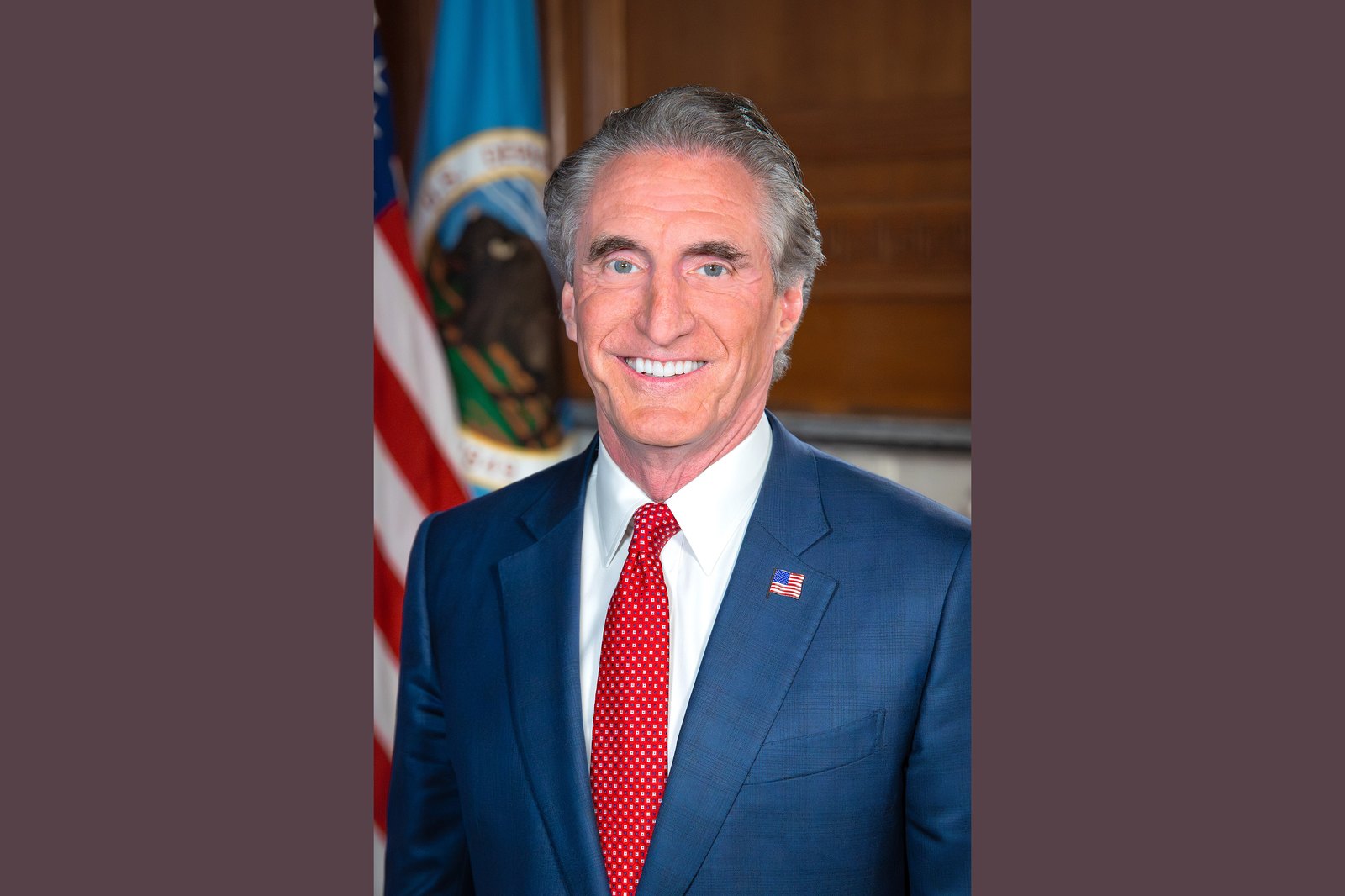
Ryan Zinke ran the Interior Department during Donald Trump's first term. Now the Republican congressman's office says he "remains firmly opposed to the sale or transfer of public lands," and his old department wants to do just that.
Interior's new five-year strategic plan says the department will work to "decrease the size of the federal estate" by letting states, tribes and local governments buy federal land, the Associated Press reported. The pushback came fast and from both parties, and not for the first time, NPR reported Saturday.
The plan doesn't say which land. Agency officials gave the AP no parcels, no acreage and no locations. They said only that selling property would let Interior focus on lands of national significance, a category they didn't define. Buyers would get part of the sale money back to spend on conservation somewhere else.
There's a lot of ground in play. Interior oversees more than 750,000 square miles, a bigger area than Texas and California put together, and in Nevada the federal government controls almost 80% of the land, according to the AP.
It's also a first. The Washington Sun reported that it's the first time a Trump administration strategic plan has plainly endorsed selling federal land. The first-term version never mentioned sales, swaps or disposal. Federal land in the U.S. covers 640 million acres, and Doug Burgum, Trump's Interior secretary, has called it a "balance sheet," the Washington Sun reported.
The plan also changes what the Land and Water Conservation Fund pays for. The fund gets $900 million a year, but Interior says it'll no longer use that money to add federal land. The money would go toward opening access on private land instead.
In the plan, the department argues that sales will free it to focus on its core federal duties. Interior didn't respond to the Washington Sun's request for comment. The idea has backers outside government. "It's encouraging that they're proposing trying to sell this land," Arthur Gailes, an economist at the American Enterprise Institute, told the Washington Sun.
Zinke's office said he'd vote against any land-sale bill that comes up before he leaves Congress at the end of this term. Democrats, fresh off this month's midterm wins, are promising a bigger fight. Sen. Martin Heinrich of New Mexico, who's poised to lead the Senate Energy and Natural Resources Committee, pointed to the sell-off he helped stop two summers ago: "I will do it again," he said, according to the Washington Sun.
Rep. Jared Huffman of California, in line to chair the House Natural Resources Committee, told the AP that Democrats would resist. He has also signaled that the new majority will look into how Burgum has handled public lands.
The law is in the way, too. Since the 1970s, sales of federal land have been mostly restricted, according to the Washington Sun. The statute behind that is the Federal Land Policy and Management Act, which President Gerald Ford signed on Oct. 21, 1976. It governs the land run by the Bureau of Land Management, and it ended homesteading by repealing the Homestead Acts.
Under that law, protected land can't be sold, and other parcels have to meet certain tests first, such as being too expensive to manage, Mark Squillace, a natural resources law professor at the University of Colorado, told the AP.
The last big push failed. Last year, Utah Republican Sen. Mike Lee proposed selling more than 2 million acres to states or other buyers, and the effort died amid opposition from both parties, the AP reported. Heinrich and several Montana Republicans helped keep the sales out of the 2025 reconciliation bill, according to the Washington Sun.
The new plan runs through 2030, and the AP noted that future administrations won't be bound by it. Zinke is leaving Congress after this term. Heinrich and Huffman are in line to run the natural resources committees in both chambers.
Source: ksat.com, retrieved November 14, 2026. Other sources: sltrib.com, Wikipedia, NPR.
Comments 0