 ™
™Trump Says 50 States Joined His Drug-Price Plan. Medi-Cal Copays Were Already $0.
The White House estimates its drug deals could save $529 billion over 10 years; the terms haven't been made public.
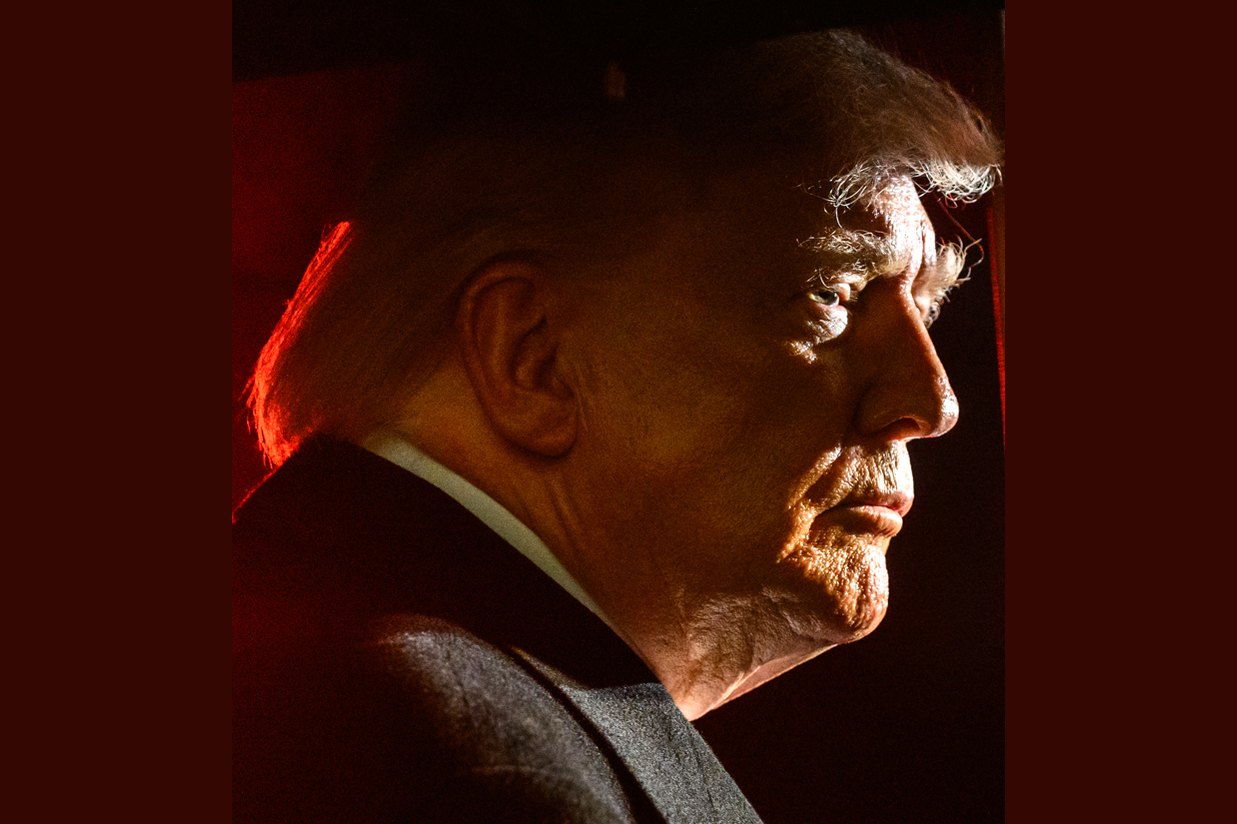
All 50 states will join a program that ties some Medicaid drug prices to what other wealthy countries pay, President Donald Trump said. He announced it September 18, 2026, in the Oval Office, the Associated Press reported. Health and Human Services Secretary Robert F. Kennedy Jr. and Centers for Medicare & Medicaid Services Administrator Mehmet Oz stood with him.
For the roughly 14 million Californians enrolled in Medi-Cal, the state's Medicaid program, the pharmacy counter in Los Angeles looks the same on Monday as it did on Friday. Most of them already pay nothing. Medicaid enrollees nationally pay a nominal copay of a few dollars, the outlet reported. A lower net price on a drug turns up somewhere else entirely: on the budget the state and federal governments share.
The administration calls the program the Medicaid "GENEROUS" model and says it will save billions on prescription drugs. How many billions isn't something anyone outside the negotiating rooms can check. Few details of the agreements between the administration and the participating drug companies have been made public, according to the AP. That leaves the projected savings impossible to verify from outside.
Trump signed an executive order last year setting a "Most Favored Nations" policy, under which the United States would commit to paying what the lowest-paying country pays for a medication. In May, the White House estimated that his deals with pharmaceutical companies could save $529 billion over 10 years.
"This one thing alone should win us the midterms," Trump told reporters, the outlet reported. He said states would be free to put the extra money into other health care improvements.
Kathy Hempstead, a senior policy adviser at the Robert Wood Johnson Foundation, told the AP there's real pressure on the administration to release more granular data behind its savings claims. Without that data, she said, legislation goes nowhere.
Kush Desai, a White House spokesman, pointed to the drug deals negotiated under former President Joe Biden's Inflation Reduction Act, which also kept commercially sensitive terms out of public view. He dismissed the administration's critics in personal terms.
JD Hayworth, a former Republican congressman, called the announcement meaningful progress that remains incomplete. He speaks for the Pharmaceutical Reform Alliance, and said in a statement that millions of people outside government health programs want lower prices too.
The timing isn't incidental. Cost of living sits at the front of voters' minds ahead of the November midterm elections. Critics say the administration hasn't offered a workable plan for health costs generally, the AP reported. Republicans let Affordable Care Act subsidies expire earlier this year, and plan costs jumped.
Hempstead also raised the durability question: whether these prices hold once this administration is gone. Trump wants Congress to write his arrangements into law, she said, and there's the problem.
"But it's kind of unreasonable because it's not clear what Congress would actually do. No one knows what is in these deals."
Source: pbs.org, retrieved September 20, 2026.
Comments 0