 ™
™Trump Barred Three Newsrooms From the White House. A 1977 Ruling Required Reasons.
CNN, MS NOW and Politico reporters were denied entry, and the White House Correspondents' Association condemned the ban.
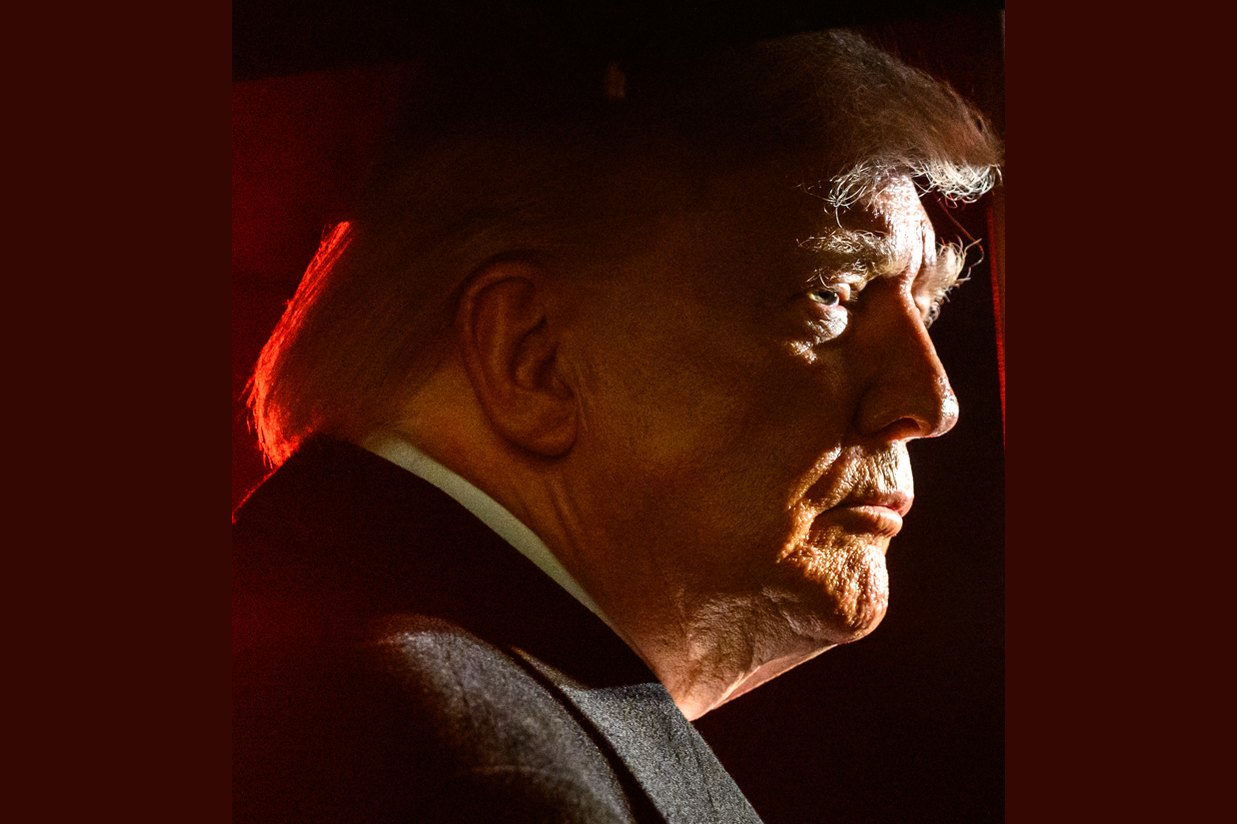
Three newsrooms lost their access to the White House on September 19, 2026, and the president announced it himself. Reporters for CNN, MS NOW and Politico were physically denied entry, NPR reported, after President Trump posted the ban.
The anchors will be fine. The person who pays is the reader in Van Nuys who follows the briefing the way most people do — secondhand, through whichever outlet's clip lands in front of her — and who from now on gets it filtered through the newsrooms the president has decided to keep.
That's my whole argument, and it doesn't require liking any of the three outlets. A White House press pass isn't a gift certificate the sitting president hands out for good behavior. It's a public building, a public podium and a public payroll, and the credential is the mechanism by which people who don't live in Washington find out what was said in there.
What changed on Friday is the physical fact. Access has been threatened before; a threat is an argument you can answer. A locked door isn't. It's a turnstile now, and the president holds the token.
Here's the part the administration is walking past. In Sherrill v. Knight, decided by the D.C. Circuit in 1977, the court held that the White House can't pull a correspondent's credential without notice, a stated reason and a chance to respond. Three requirements. A social post is none of the three. The D.C. Circuit went at the question again in Karem v. Trump in 2020, and that ruling is sitting in the same place this one is — on the shelf, unmentioned.
The strongest thing the other side says is true as far as it goes: the White House is the president's house, no news organization has a constitutional right to a chair in the briefing room, and no court has ever ordered an administration to like its coverage. Fine. Sherrill doesn't say anyone is owed a chair. It says that once the government hands out passes at all, it can't yank them arbitrarily and in silence. The holding isn't about entitlement. It's about arbitrariness, which is exactly what an announcement with no stated reason looks like.
Compare it to a library card. The city doesn't owe you one, and it can set rules about who qualifies — but it can't revoke yours because the librarian didn't care for your last letter to the editor, and it certainly can't do it without telling you why. Now compare it to a subpoena, which a court supervises at every step. The press pass sits closer to the library card than anyone in the building wants to admit, and that's precisely why the 1977 rule exists.
The White House Correspondents' Association condemned the ban, which is the right response and also the smallest one available. The harder question belongs to everybody still holding a pass: a press corps that shows up the next morning, screened, has accepted the screening. Three empty seats in that room aren't three newsrooms' problem. They're the terms of admission for everyone who took the seat next door.
What to watch next is whether any of the three goes to court, and whether a judge asks the question Sherrill asks first: what reason was given, and when.
Source: npr.org, retrieved September 19, 2026.
Comments 0