 ™
™The FCC Cleared Saudi Money Into Paramount. California Should Keep Suing.
The sovereign funds of Saudi Arabia, the UAE and Qatar plan to put $24 billion into Paramount's Warner Bros. purchase.
Saudi Arabia, the United Arab Emirates and Qatar may now buy a 49.5 percent indirect equity stake in Paramount Skydance. Their sovereign wealth funds got that clearance on September 17, 2026, in a declaratory ruling out of the Federal Communications Commission's Media Bureau, and the commissioners never voted on it, Ars Technica reported. I'd take that order as the reason not to settle the merger case California is currently winning.
The people who'd pay for a settlement aren't in Washington. They're the Los Angeles crews and the newsroom staff at the 28 CBS stations Paramount owns and operates, whose jobs become line items the day two studios become one. The advocacy group Free Press told the FCC that Paramount would begin its ownership of Warner Bros. Discovery carrying close to $80 billion in debt, and that servicing it would force deep cuts, with the broadcast units hit hardest.
Twelve states led by California sued to block Paramount's $111 billion purchase of Warner Bros. Discovery, and a federal judge found the deal likely to reduce competition substantially in violation of antitrust law. The judge halted it while the litigation continues. The three funds plan to put $24 billion into that deal, $10 billion of it from Saudi Arabia's Public Investment Fund, Ars Technica reported.
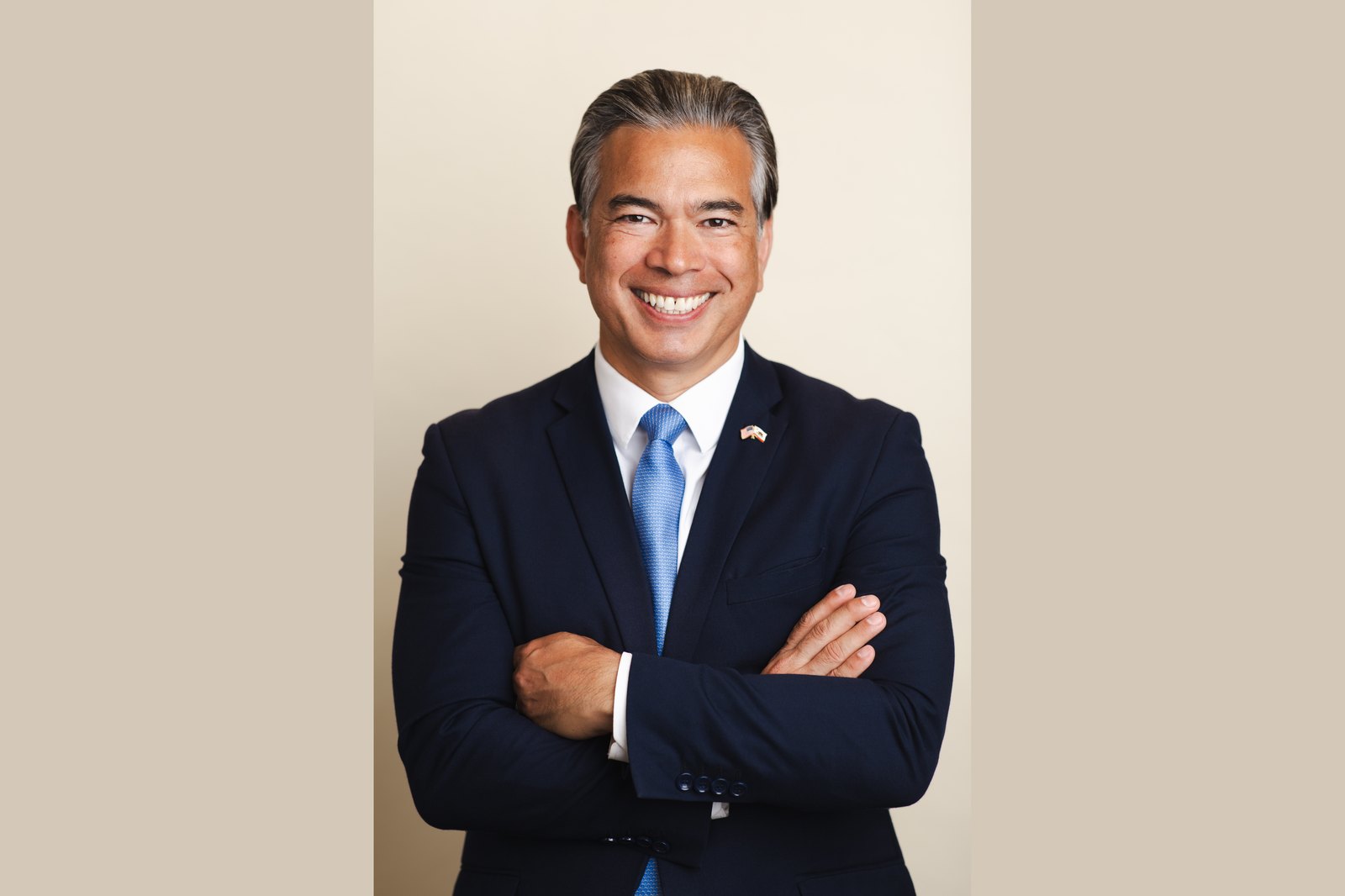
Leaving California is the threat Paramount has made if the state won't relent, the outlet reported. California Attorney General Rob Bonta said the company was trying to “blackmail the state into letting an illegal deal through.” I don't think you settle with a party that says that out loud.
The strongest case against me is real. A settlement can be written with enforceable terms — California production commitments, local news staffing floors, a fixed number of years — while an appeal can end with the state holding nothing. Conditions in hand beat a ruling a higher court might undo.
So look at what conditions are worth when a regulator writes them. The FCC's order tells Paramount to monitor its own foreign ownership for compliance. It bars the investors from influence, direction, control, commentary or guidance over content decisions and management, and from access to nonpublic data about American viewers. It requires a new application before Paramount alters the investors' voting, governance or information rights. Every one of those runs on Paramount reporting Paramount.
The order also doesn't stop at 49.5 percent: it permits up to 100 percent indirect foreign equity in the aggregate, and Paramount told the agency its own number could move with market fluctuations and future investments. The bureau wasn't persuaded that non-voting money buys practical influence, reasoning that the stock carries no votes and isn't a loan that has to be repaid. That finding rests on the buyer's promise and the seller's cap table.
Anna Gomez, the commission's only Democrat, wanted the question decided by the full commission. “An investment this large in one of America's biggest media companies doesn't just buy equity, it secures influence over what gets said and what gets made,” she said. Nobody outvoted her. There was no vote.
What moved me off the fence wasn't the Gulf money, which Senate Democrats had already flagged to Chairman Brendan Carr in a letter in May. It was Carr in March, calling the deal good and saying it should get through quickly — six months before his agency's staff made that true without a roll call. A settlement's conditions would be policed by that same apparatus.
The halt stands while the case moves, and it could be decided by a federal appeals court. That's where California should take it.
Source: arstechnica.com, retrieved September 20, 2026.
Comments 0