 ™
The 'Flu' Ravaging Los Angeles Isn't Testing Like the Flu
Ten of 12 friends from one event got the same fever and stiff neck. Every flu, COVID and RSV test says negative.
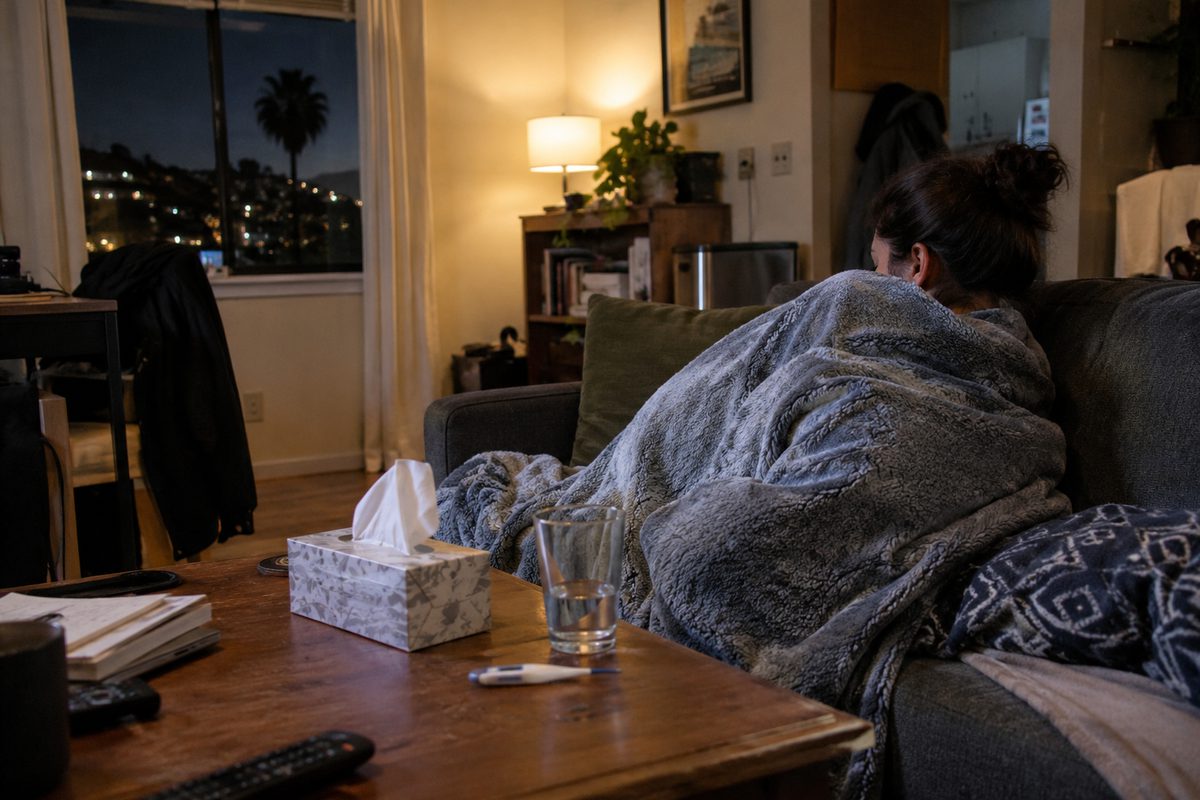
Twelve friends went to the same event in Los Angeles, a Globe editor among them. Ten of them now have the same thing.
It hits everyone the same way: a fever of 101 or 102, chills, a stiff neck, a pounding headache and a tiredness that won't lift. One of them hit 104.
Then it got stranger. People who weren't at the event started getting it too. And readers have been writing to the Globe, left and right, about a "flu" of their own that sounds a lot like it.
So they got tested.
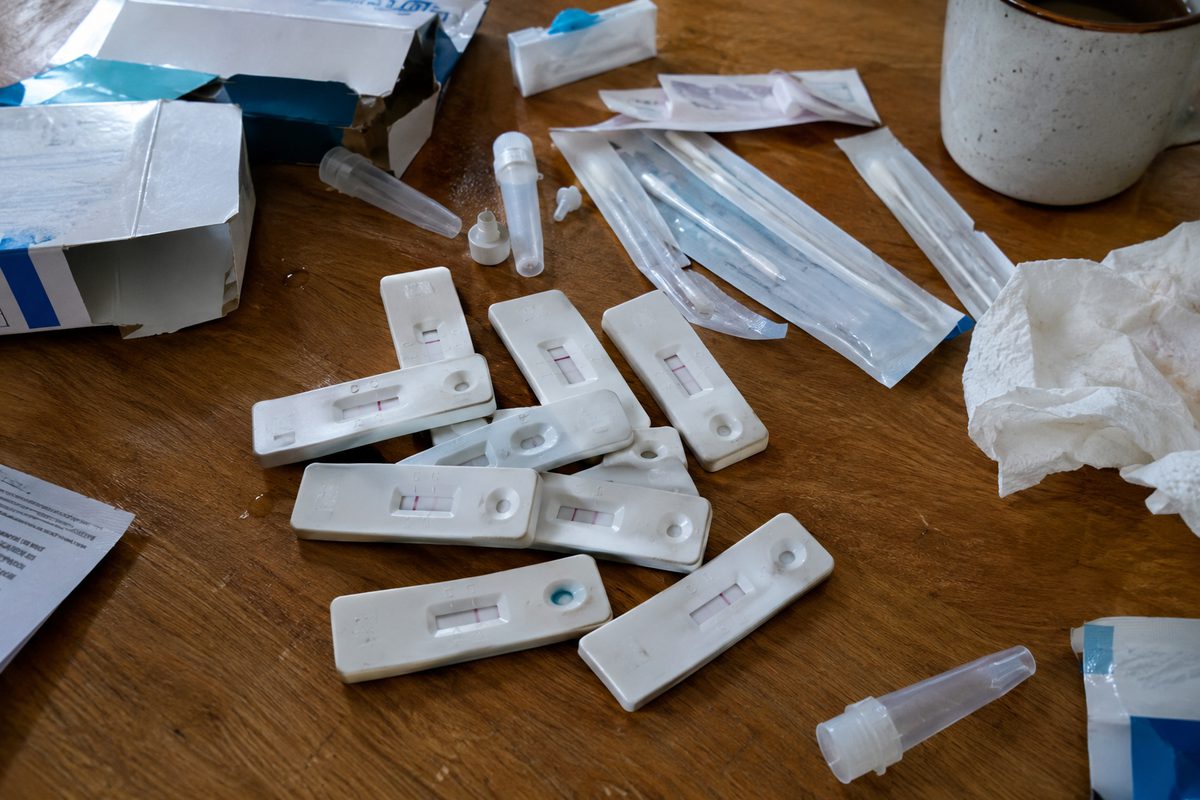
Not once. Not twice. Five flu tests, plus COVID tests and RSV tests. Every one of them came back negative.
So what is going on?
What the county is actually seeing
Flu really is out there, and it showed up early. Flu activity in Los Angeles County started rising weeks ahead of its usual early-November start, Los Angeles magazine reported, citing county health officials.
But the county's own numbers don't describe a flu wave swamping the city. In the week ending Oct. 10, the latest it had posted as of Oct. 22, 7.9% of flu tests at the county's sentinel labs came back positive and 7.4% of COVID-19 tests did, both rated moderate and both down from the week before, according to the county's Respiratory Watch report. RSV was at 1.2%, rated low. Emergency room visits for flu-like illness were rated low, too, at 4.1%.
The same report charts the other viruses labs share with the county, and the one running highest on that chart isn't flu at all. It's rhinovirus and enterovirus, the bugs behind a lot of colds, which the CDC says typically peak in the late summer and fall.
Why every test can say negative
If you're testing at home, here's the catch. Rapid flu tests catch somewhere between 50% and 70% of infections compared with a lab PCR test, and the CDC tells doctors to read a negative result "with caution." Those tests work best in the first three or four days of being sick, and the agency says false negatives are more likely when a lot of flu is going around.
COVID tests have the same problem. A single negative at-home test can't rule it out, and the FDA recommends two negative tests 48 hours apart for anyone with symptoms, according to the CDC.
So five negatives make ordinary flu less likely. They don't make it impossible.
And plenty of what goes around isn't on any home test. California's public health department told doctors in September that when patients test negative for flu, RSV and COVID-19, "additional testing for other respiratory viruses with broader multiplex panels can be performed." Those panels can check for rhinovirus and enterovirus, adenovirus, parainfluenza, human metapneumovirus and Mycoplasma pneumoniae, a bacterium that brings fever, headache and a tired, slow-building cough. Parainfluenza peaks in the fall, and mycoplasma is more common in summer and early fall, the CDC says.
The symptom to take seriously
It's the stiff neck. Fever, headache and a stiff neck are the most common symptoms of meningitis, and the CDC says anyone who has them "should see a healthcare provider right away." Most meningitis is viral, and enteroviruses are the most common cause. But the bacterial kind is a medical emergency, and death can come in a few hours.
There's one more local reason to get checked. Los Angeles County is having its biggest West Nile virus year since 2017: 249 human infections and 12 deaths as of Oct. 15, compared with 22 infections in all of 2025, according to the county's latest West Nile report. Most people who catch it never feel sick, but in the rare severe cases it brings high fever, headache and neck stiffness, the CDC says. West Nile doesn't spread from person to person, though, so it wouldn't explain people who weren't at the event coming down with the same thing.
What to do now
Nobody in the group is a doctor, and none of this is a diagnosis. Here's what the public health advice adds up to:
- A stiff neck with a high fever, especially with confusion, vomiting or sensitivity to light, means go now: urgent care or an emergency room, not a sixth home test.
- If you test at home, test in the first few days, and test again after a negative. One negative doesn't clear you.
- If the home tests keep coming back negative, ask a doctor about a lab PCR test or a respiratory panel that checks for more than three viruses.
- Stay home while you have a fever. Ten of the 12 came down with this after one event.
If you've had it too, tell us what your fever hit, whether your neck hurt and what your tests said.
Source: Los Angeles County Department of Public Health, retrieved October 22, 2026. Other sources: publichealth.lacounty.gov, lamag.com, cdc.gov, cdc.gov (2), cdc.gov (3), cdph.ca.gov.
From the Handbook: Flu, COVID and RSV Shots in L.A.: Where to Go This Fall
Comments 0