 ™
™Oil Tops $105 After Report That Trump Is Weighing New Iran Strikes
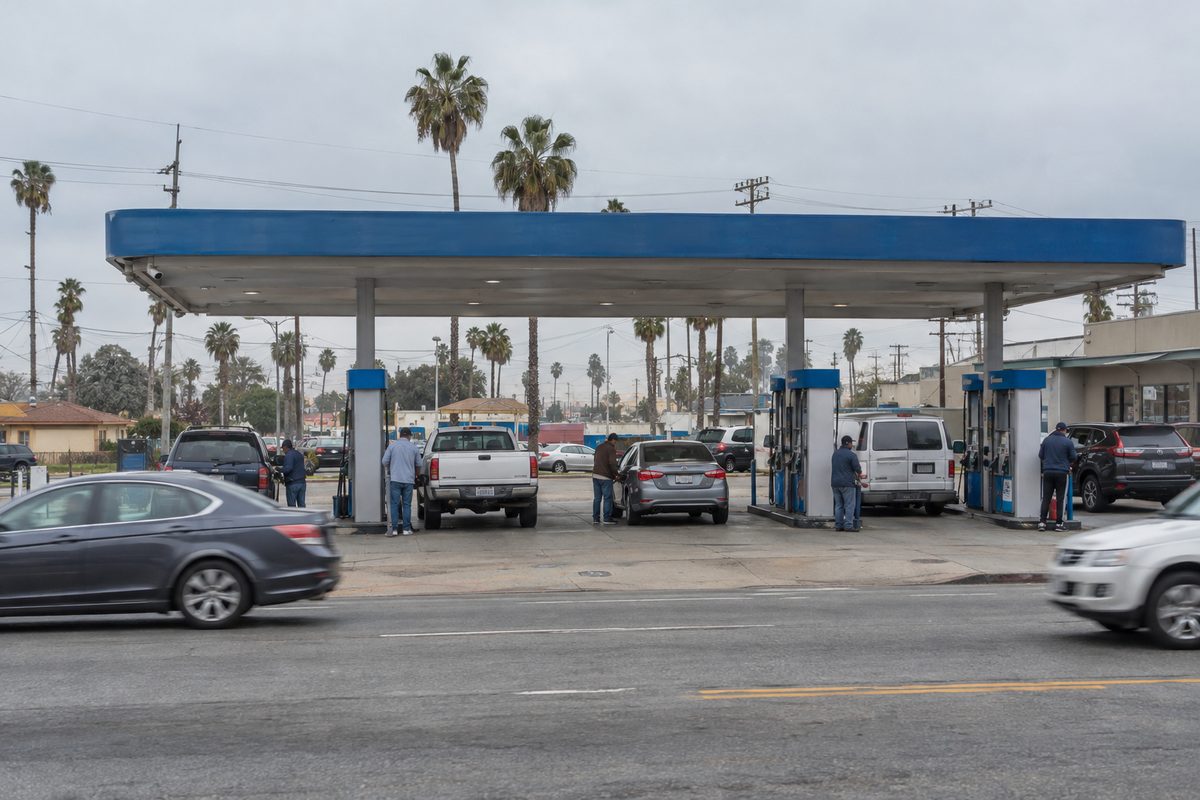
Regular gas already averages $4.36 a gallon nationally, more than 45% above its price when the Iran war began.
Brent crude jumped past $105 a barrel Thursday on a report that President Trump is weighing new strikes on Iran before the midterm elections.
It's a report, not a decision. Citing two administration officials, The Atlantic reported Wednesday that the White House had asked the Pentagon for options to resume attacks before the Nov. 3 vote. CBS News reported that The Atlantic said the size and targets were still unsettled. People familiar with the discussions told NBC News that nothing has been decided, with early voting already underway.
Axios reported one step further along. U.S. officials told Axios that several days ago the Pentagon ordered U.S. Central Command to wrap up preparations for resuming major combat in Iran. The order didn't set a date, and Axios said Trump hasn't made a final call.
The officials who spoke to The Atlantic said the planning shows how badly Trump wants to bring gas prices down and show progress in the war, CBS News reported. "It would make the president look like he got a win and that gas prices would start going down," a Republican who knows about the deliberations told The Atlantic.
The first thing the idea did was push prices up. Brent rose more than 5% in early trading, NBC News reported, and U.S. crude climbed almost 5% to nearly $93. Diesel futures and heating oil, which traders use as a stand-in for jet fuel, each gained more than 4%.
Borrowing got pricier, too. The 10-year Treasury yield, a big driver of what consumers pay on loans, rose to 5.35%, erasing a dip from late Wednesday. Stocks slipped, with the S&P 500 down 0.4% and the Nasdaq Composite down 0.6%.
Drivers had been paying for the war well before Thursday. Regular gas averaged $4.36 a gallon nationally, more than 45% above its price on Feb. 28, the day U.S. and Israeli forces started the war with Iran. Diesel, also pushed up by new escalation in the Russia-Ukraine war, reached $6.28, almost 70% higher over the same stretch.
The pressure comes from the Strait of Hormuz. Smaller Iranian attacks on commercial ships have cut traffic there sharply. MarineTraffic data cited by NBC News shows fewer than 23 ships a day from Sept. 28 through Oct. 4, compared with hundreds a day before the war.
That spills over onto oil the strait never touches. Sending a crude carrier full of U.S. oil to Asia now costs $77 million, NBC News reported, citing Bloomberg's figures from the Baltic Exchange in London. Last year, that same route averaged $9.2 million.
In early September, Bank of America commodities chief Francisco Blanch wrote that Brent could trade between $95 and $120 a barrel if the skirmishes ran to the end of the year. He said a wider war that damaged major energy infrastructure could push it as high as $150. If major combat resumes, Axios's sources said, it's expected to include heavy bombing of Iranian energy, infrastructure and nuclear sites.
Even the plan's backers don't expect strikes to bring Iran to talks or reopen the strait, The Atlantic reported, according to CBS News. Instead, the magazine said, they hope to show American strength heading into the vote.
Asked about the report, a White House official told CBS News that the commander in chief keeps every option open at any moment. The official said things with Iran would go "the easy way or the hard way."
Talks are still going on through intermediaries. Iran's foreign minister, Abbas Araghchi, said Thursday that Tehran was reviewing Washington's reply to its seven-day peace plan and expected to answer within a few days. Last week, CBS News reported, Trump told reporters the U.S. would win the war "right after the election," then added, "maybe before the election."
Source: NBC News, retrieved October 8, 2026. Other sources: CBS News, Axios.
Comments 0