 ™
No Evidence Links Microsoft, FAA and Chase Outages to Hackers
An Infoblox researcher says only about one in 1,000 outages he tracks turns out to be hackers.
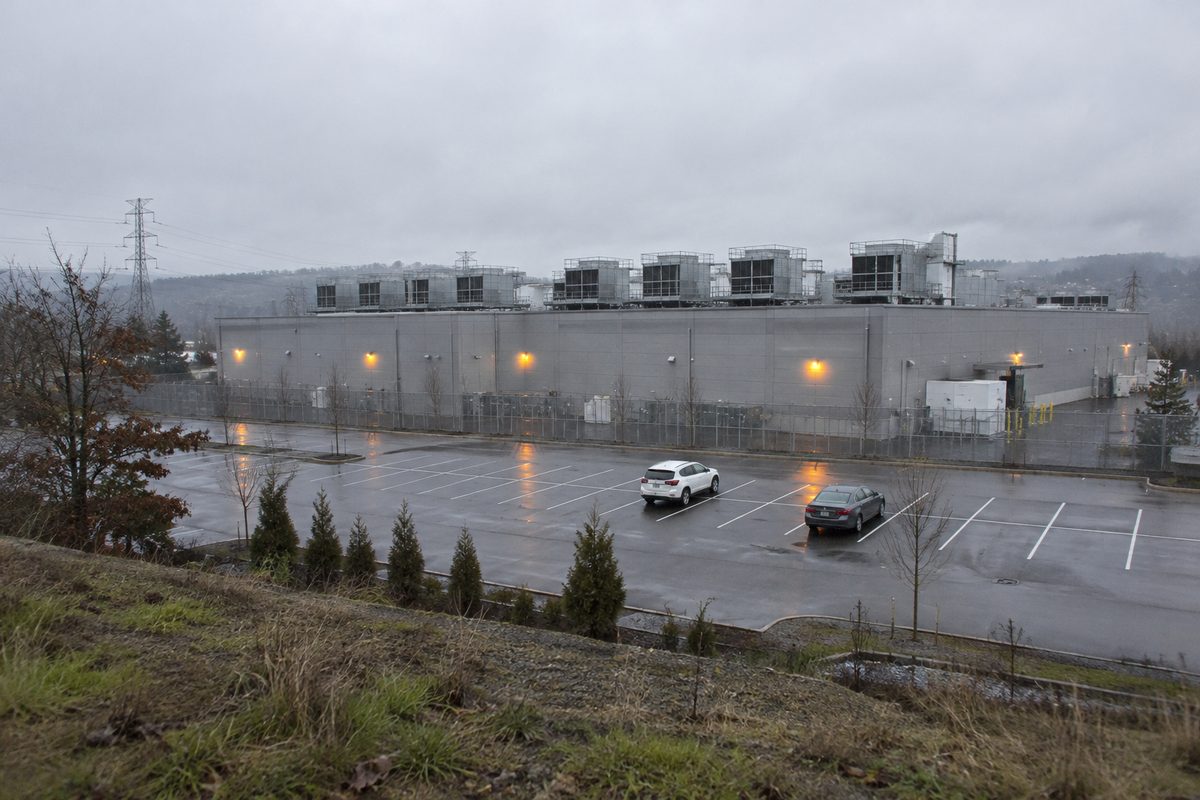
Thousands of companies lost Microsoft Exchange, flights sat grounded nationwide and NSA staffers waited at home for a classified network to come back. A JPMorgan Chase software problem and a United Airlines system glitch squeezed in too, all within four business days in a row.
With the U.S. at war with Iran and fears of AI-assisted hacking running high, plenty of people read that streak as an attack. There's no evidence any of the five failures were connected, let alone caused by hackers, WIRED reported in a guide republished by Ars Technica. The researchers who watch outages for a living say the timing is less spooky than it looks.
Doug Madory, who runs Internet analysis for the security company Infoblox, told WIRED he tracks up to a dozen network outages daily, and only about one in 1,000 traces back to hackers. "One's default position should be that it isn't a cyberattack," he said, "unless there is some concrete evidence to the contrary."
That evidence tends to be loud. Ransomware gangs post their victims on dark web leak sites, sometimes beside a countdown meant to scare them into paying. Hacktivist groups, or state hackers dressed up as them, take credit on X, Telegram or their own sites.
Those boasts can be inflated or invented, WIRED cautioned, and the 2016 Mirai attack on the internet company Dyn, which knocked out thousands of websites, came with no claim at all. When nobody owns up, word sometimes comes from the Cybersecurity and Infrastructure Security Agency or private threat researchers, often days, weeks or months later.
Usually, though, there's nobody to catch. "Most big outages that look like attacks are self-inflicted," João Tomé, who edits Internet research at the data company IPinfo, told WIRED, naming the usual causes as "a bad update, a configuration change, a cable cut, or a power failure."
One of those mistakes can look like dozens. When a giant like Amazon Web Services goes down, the companies built on top of it can fall with it. Other services work fine on their own and only error out when they deal with the one that's broken. Several banks looked broken during the Chase trouble, but WIRED reported the problems appeared to trace back to transactions involving JPMorgan Chase. The same thing happens when calls fail across carriers that are really all touching one sick network.
So check who's talking. A company or agency usually explains its own outage first, on its verified social accounts, in the newsroom section of its website or on a status dashboard. Amanda Meng, a Georgia Tech research scientist who helps run the school's Internet Outage Detection and Analysis service, told WIRED the operators usually have the best information. For breakage that spans many services, she pointed to IODA's data and to Cloudflare Radar.
The mistake is reading those dashboards as more than they claim to be. Microsoft's Azure status page says it's used only for widespread incidents and sends customers to sign in to Azure Service Health for problems with their own services. Google Cloud's status page reported no broad severe incidents on Thursday, and it points account holders to a personalized view. A green board means the whole platform isn't on fire, not that every customer's corner is fine.
The last clue is the clock. Tomé told WIRED that rolling back a bad update takes minutes or hours, while ransomware can drag on for days or even weeks. When none of the other clues settle it, Madory's advice is patience: sometimes the only move is to sit and wait.
Matthew Prince, CEO of the Internet infrastructure company Cloudflare, told WIRED that most of what his company sees right now is ordinary background noise. "Stuff breaks, and that's just the nature of complex systems."
Source: arstechnica.com, retrieved November 19, 2026. Other sources: azure.status.microsoft.
Comments 0