 ™
™Carmakers Added a Screen for the Front Passenger. A Third of Owners Have Never Tried It.
Smart ignition scored highest in the 2026 study, at 2.4 problems per 100 vehicles, in a survey of 68,084 new-car owners taken after 90 days of ownership.
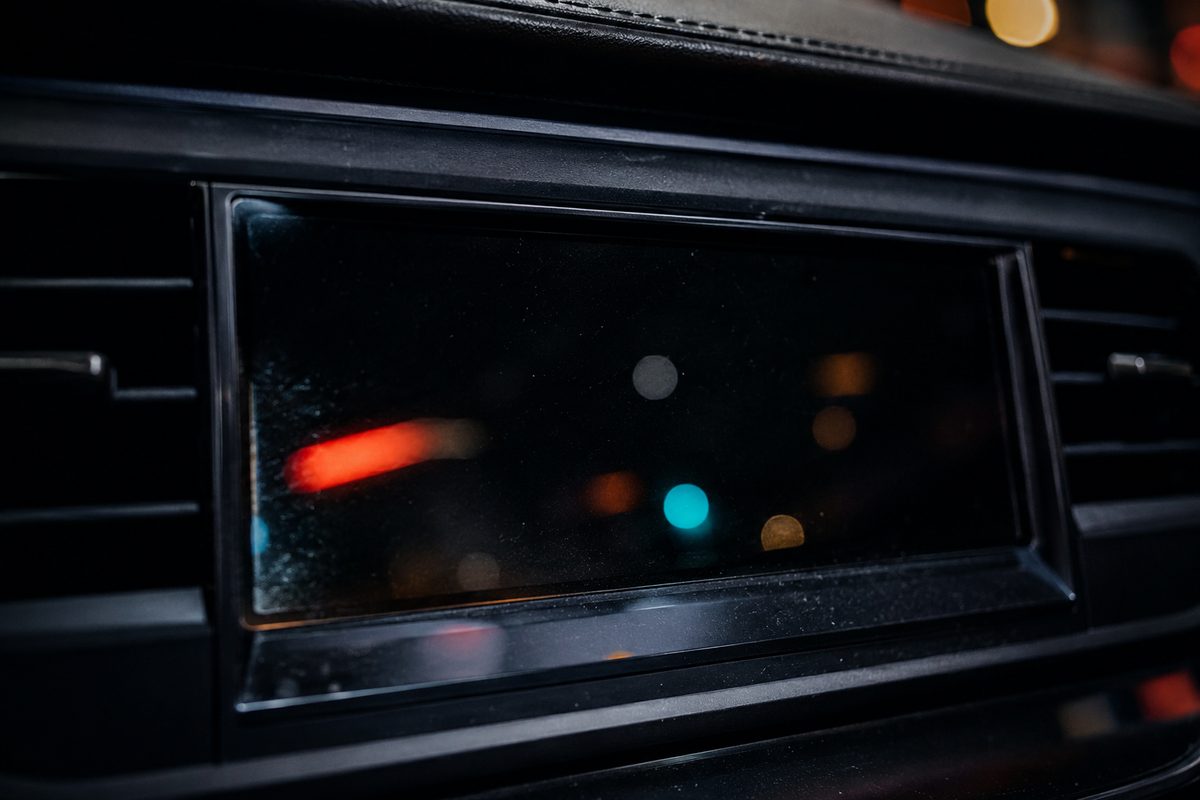
Passenger screens, the second dash display set in front of the front-seat rider, ranked last in owner satisfaction in a new automotive technology study. The consumer research firm J.D. Power put its questions to 68,084 people who had each spent 90 days with a new 2026 model-year vehicle, The Verge reported on August 31, 2026. The results, as the outlet describes them, aren't broken out by state or metro, so there's no Los Angeles figure in them.
The highest-rated feature in the study was smart ignition, which starts and shuts the car off based on what the driver does, at 2.4 problems per 100 vehicles. That was the best overall satisfaction score in the survey.
The plain reading, for anyone shopping a new car: the technology owners like most is the technology they never have to operate.
The study covered 40 technologies across five groups — comfort and convenience, connected vehicle, driver assist, electric vehicle and smart vehicle, per The Verge's account. Smart HVAC, which the outlet describes as using AI to adjust the cabin on its own, also landed near the top, and the common thread the firm draws is that the winners require the least attention.
“The features that solve real problems without adding effort or stress for the driver are the ones resonating most with customers,” Doron Hikry, J.D. Power's director of customer success, said in a press release quoted by The Verge.
Passenger screens ran the other direction. More than one-third of owners who have one said they've never tried to use it, and 6 percent said they use it every time they drive, the outlet reported. Those displays started in premium lines including Mercedes, BMW and Porsche, and haven't reached mass-market vehicles.
Hands-free driving didn't fare much better in owners' judgment. The Verge cites Tesla's Full Self-Driving, Ford's BlueCruise, GM's Super Cruise and Mercedes' Drive Pilot as examples of the Level 2 Plus tier, which permits hands-off operation on certain roads, and owners told J.D. Power they preferred ordinary Level 2 systems, the kind that keep your hands on the wheel, on design and quality of experience. The problem counts went the opposite way: Level 2 systems logged 14.3 problems per 100 vehicles against 13.8 for the hands-free tier. More automation, in other words, didn't buy more satisfaction.
Hikry, in the same release, said the numbers suggest owners are more at ease with systems that visibly help the driver than with ones that take over more of the task.
The individual awards followed the same shape. The Cadillac Escalade and the Toyota Tundra each took the camera-mirror honors, the outlet reported. Other categories went to other vehicles: schedulers that time EV charging, one-pedal driving, digital keys and blind-spot camera systems.
What The Verge's account doesn't carry is the rest of the scoreboard: no per-model satisfaction table, no state or regional breakdown, and no detail on how each category award was scored. For a metro where a dashboard is a daily workplace, those are the numbers worth asking J.D. Power for next.
Source: theverge.com, retrieved September 1, 2026.
Comments 0