 ™
™Lyft Agrees to Pay $272.5 Million Over Claims It Shortchanged California Drivers
A judge must still approve it, and the state labor commissioner's share will go to drivers who filed wage claims.
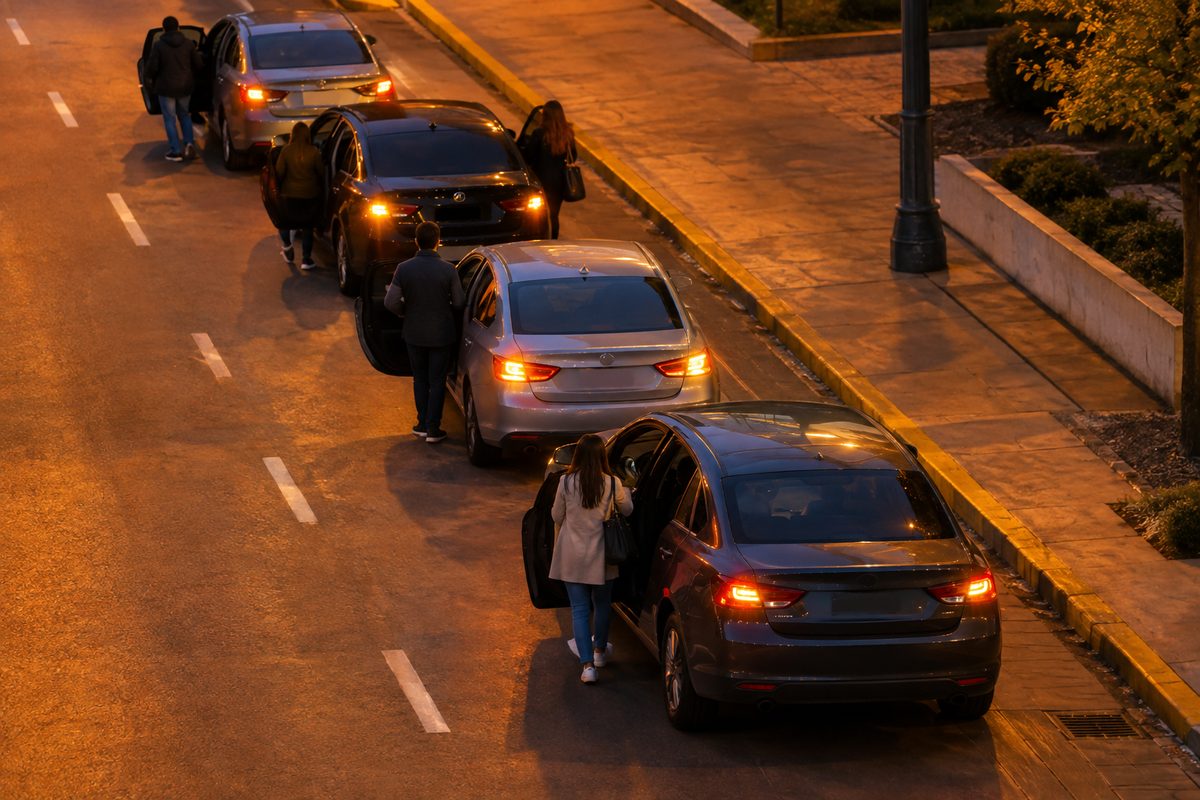
Lyft agreed to pay $272.5 million to end a state lawsuit claiming it shorted California drivers on minimum wage and overtime by calling them contractors. TechCrunch reported the deal Thursday, along with a statement from California Labor Commissioner Lilia García-Brower.
If you drove for Lyft in California between April 6, 2016, and December 15, 2020, this settlement covers your time behind the wheel. A judge still has to sign off before any of the money moves.
The commissioner's office sued in August 2020. Its lawsuit said drivers went without minimum wage and overtime, and without the paid sick leave and on-time paychecks that employees are owed and contractors aren't.
García-Brower said her office will give up its own share of the money and send it to drivers who filed wage claims. "This settlement is about the workers who came forward and spoke up," she said in a statement.
TechCrunch's report didn't say how the rest will be divided among drivers, or whether anyone will have to file paperwork to collect.
Los Angeles had a hand in this. The city attorneys of Los Angeles, San Diego and San Francisco brought their own cases, as did the state Attorney General and drivers suing under California's Private Attorneys General Act. In September 2021, all of it was folded together in San Francisco Superior Court.
The fight traces back to Assembly Bill 5, the 2019 state law that told companies like Lyft, Uber and DoorDash to treat gig workers as employees, with minimum wage and workers' compensation. Lyft, Uber and others kept calling their drivers contractors after it took effect anyway, the outlet reported. Then voters passed Proposition 22 in 2020, which carved app-based ride drivers out of the law, and that's why they're contractors today.
Lyft says it was right all along. "If approved, this settlement closes a chapter from a very different time, before Prop 22," a company spokesperson said in an emailed statement, adding that Lyft believes its drivers were correctly labeled under the law and is glad to be done with the case.
The spokesperson also said Lyft has gone past what Prop 22 requires and is the only rideshare company with a fee cap. In a regulatory filing, Lyft said settling spares it the cost and distraction of a long court fight.
The check is still $272.5 million.
The deal now goes to a judge for approval. Uber hasn't gotten that far: it still faces a lawsuit from the commissioner's office making similar claims.
Source: techcrunch.com, retrieved October 2, 2026.
Comments 0