 ™
Grocers in Four European Countries Say Hackers Hijacked Their Freezers
One Swedish store said overnight intruders set its fridges and freezers to 50 degrees Celsius, or 122 Fahrenheit.
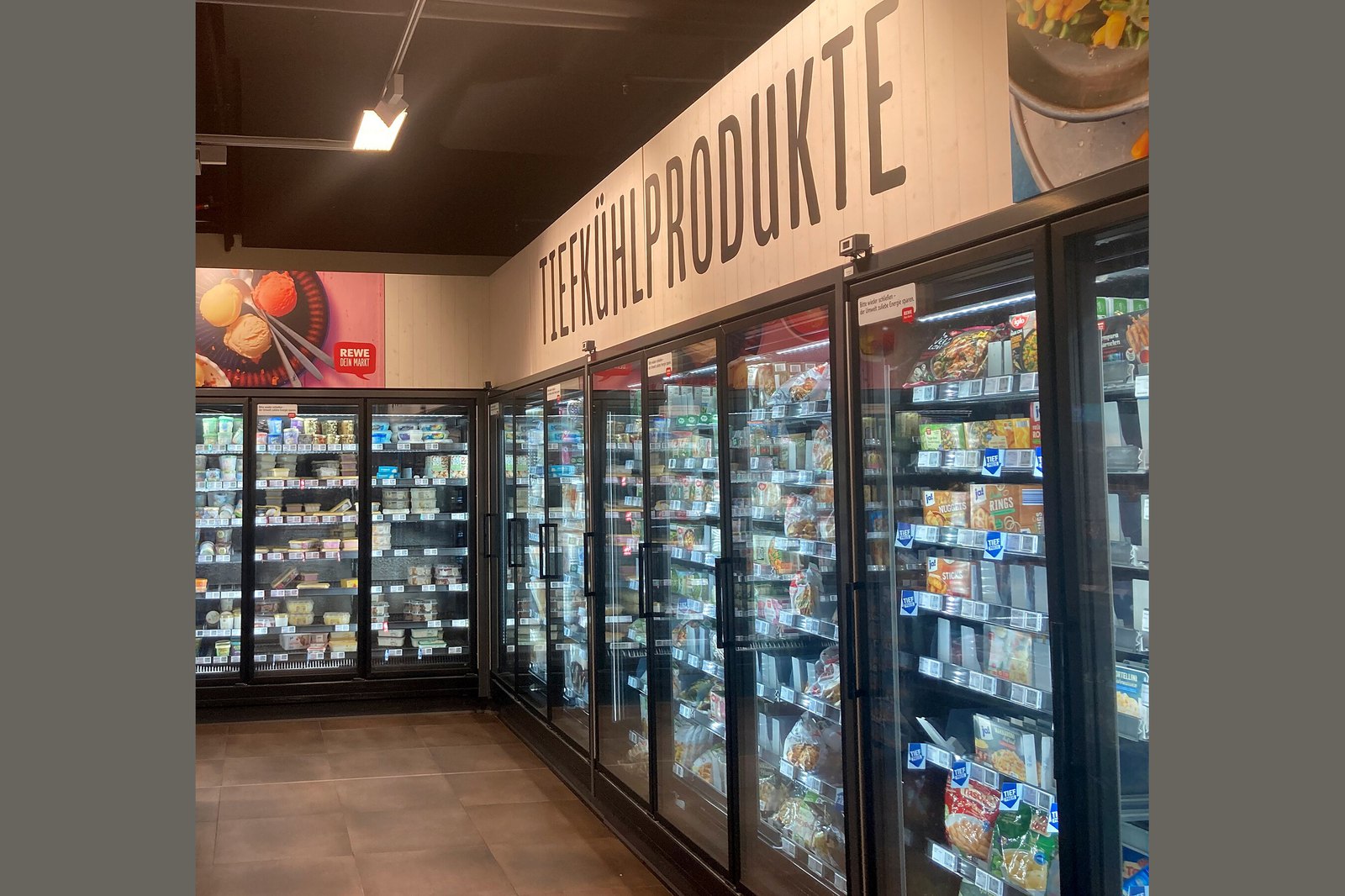

Every freezer at a Stockholm grocery went down in a 2 a.m. cyberattack Monday, and it wasn't noticed until 5:30, the ICA Baronen store's sales manager told Reuters. A notice at the shop blamed the attack for breaking all of them.
Other stores were hit too. Supermarket chains in Sweden, Belgium, Luxembourg and Estonia found their cooling systems tampered with overnight, The Verge reported Monday. It's the second wave of suspected attacks on European grocery refrigeration in about a month, and Sweden's own cyber agency says it had already been warning about the weak spot.
The number people will repeat came from an ICA store in Sweden. In a Facebook post, the store said intruders had dialed its fridges and freezers all the way up to 50 degrees Celsius, which is 122 Fahrenheit, while it was closed for the night. Later it said the store had reopened.
In Belgium, the attack went through defrost mode. Sabcobel, the Belgian firm that operates Delhaize's refrigeration, blamed a cyberattack: its CEO, Stephan Moelans, told Belga, the Belgian news agency, the intruders had put the units' evaporators into defrost, Reuters reported. Delhaize spokesperson Sarah De Meester said the chain spotted the rising temperatures Monday and is investigating.
The counts are still coming in. Delhaize's Dutch parent, Ahold Delhaize, called it an IT incident and said the problem reached dozens of its stores across Belgium and Luxembourg. Colruyt, which runs Belgium's franchised Spar shops, put its own count at five. Coop told the Swedish daily Aftonbladet that six of its stores were affected. In Estonia, cooling supplier Kitman Coldtech told public broadcaster ERR that an unnamed chain's units had also been set to 50 degrees.
Europe has seen this before. French police said last month that hackers had grabbed the controls of refrigeration at hundreds of supermarkets there, heating some units to 50 degrees Celsius; the attack started fires and ruined food, Reuters reported. The Verge said that spoilage was estimated in the millions of euros, and noted that a string of freezer failures at U.S. military bases is also suspected to be the work of hackers.
Ahold has history here too. Last month, after spotting suspicious activity on its network, the company went to Dutch police about a cybersecurity incident, Reuters reported. Nobody has claimed responsibility for October's attacks, Reuters reported, and authorities haven't said who might be behind them.
Why can a stranger reach a freezer at all? According to The Verge, many modern supermarket refrigeration units are connected to the internet, so technicians can maintain them remotely and get an alert when something fails.
The grocers are describing the damage as small. An ICA spokesperson said in an email to Reuters that "a limited number of stores" were affected, and Coop told Business Insider that outsiders without permission had tampered with refrigeration at only a small share of its stores, The Verge reported.
Sweden's national cybersecurity center is handling several cases involving grocery-store refrigeration across the country, its head, John Billow, told Reuters. He also said the weakness wasn't news to them: "We have in recent weeks… identified that we have quite a lot of exposed operational technology devices in Sweden that we have been clear about the necessity to update or patch."
Source: The Verge, retrieved November 2, 2026. Other sources: theprint.in.
Comments 0