 ™
Future-Gen 2026: The 10 Names Shaping AI Filmmaking
From a YouTube filmmaker bringing an AI-generated feature to theaters to the directors, studio founders and technologists reimagining how movies are made, these are the innovators helping define Hollywood's next chapter.

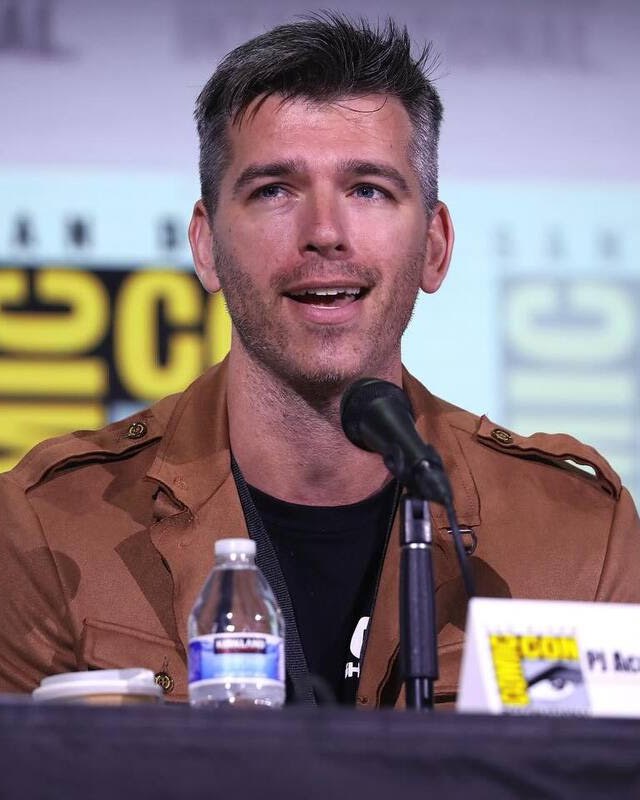
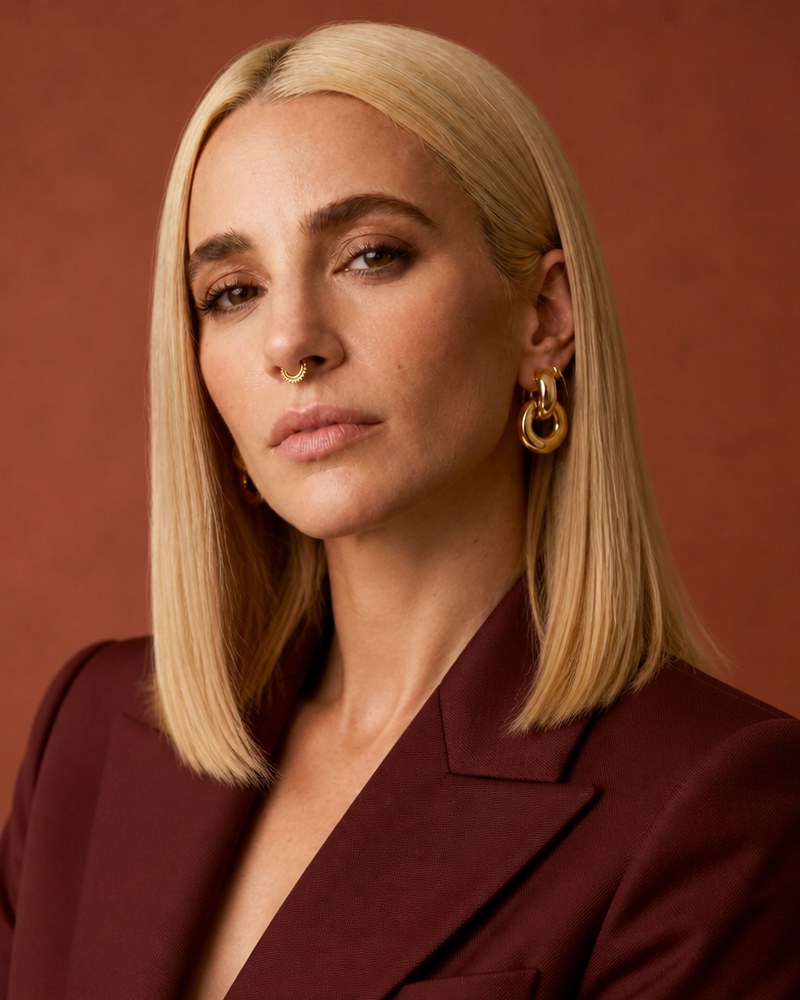
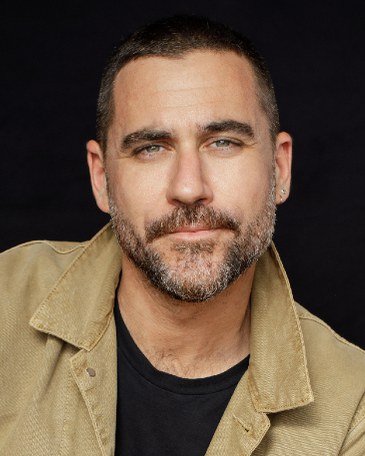
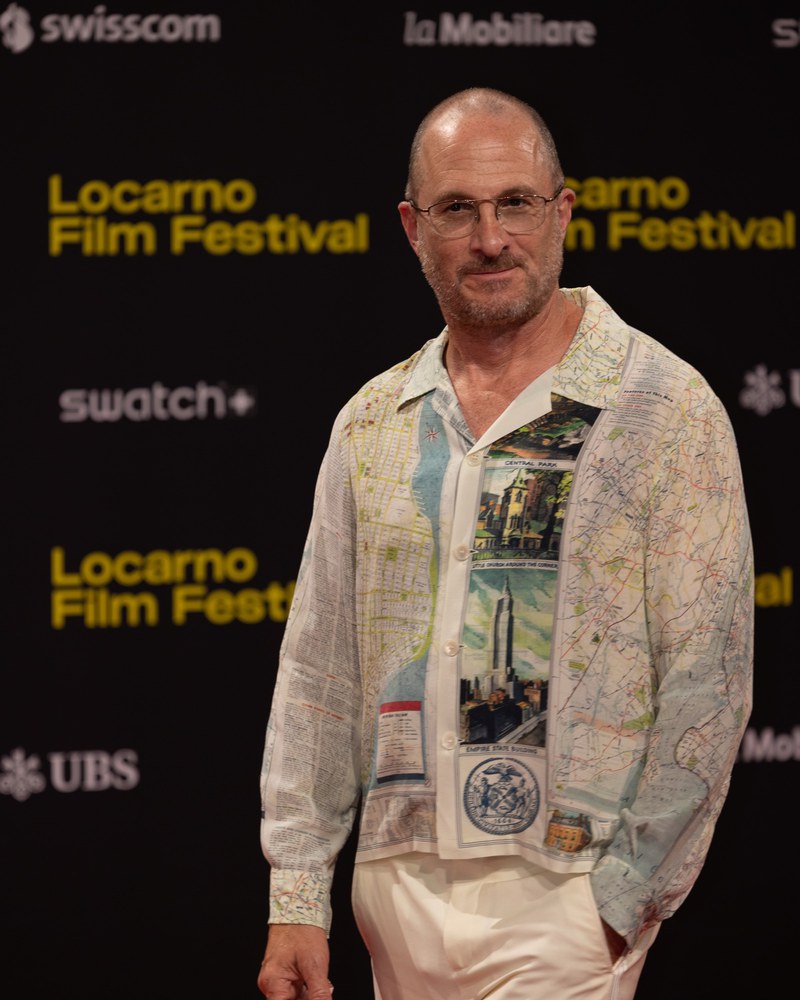
Hollywood has spent years debating whether artificial intelligence will transform filmmaking. In 2026, a growing group of creators offered something more compelling than predictions: finished work.
A filmmaker with more than a million YouTube subscribers is preparing to take an AI-generated science-fiction feature to theaters. A hit Amazon series used hundreds of AI-assisted shots to bring the ancient world to life. At Netflix, researchers are developing tools that could let filmmakers change a camera move, recover lost image detail or alter the look of a scene long after the shoot wraps.
And across the industry, a new generation of studios is challenging assumptions about what a production company needs to look like, how much a film should cost and who gets to make one.
None of this settles the larger debate. Copyright, creative ownership, employment and the artistic value of AI-generated work remain as contentious as ever, and the technology still moves faster than the industry can set rules for it.
But the conversation has changed. The question now is what filmmakers can accomplish with AI today.
For The LA Globe's inaugural Future-Gen, we recognize ten filmmakers, founders, studios and technologists whose work is shaping that answer.
The Creators
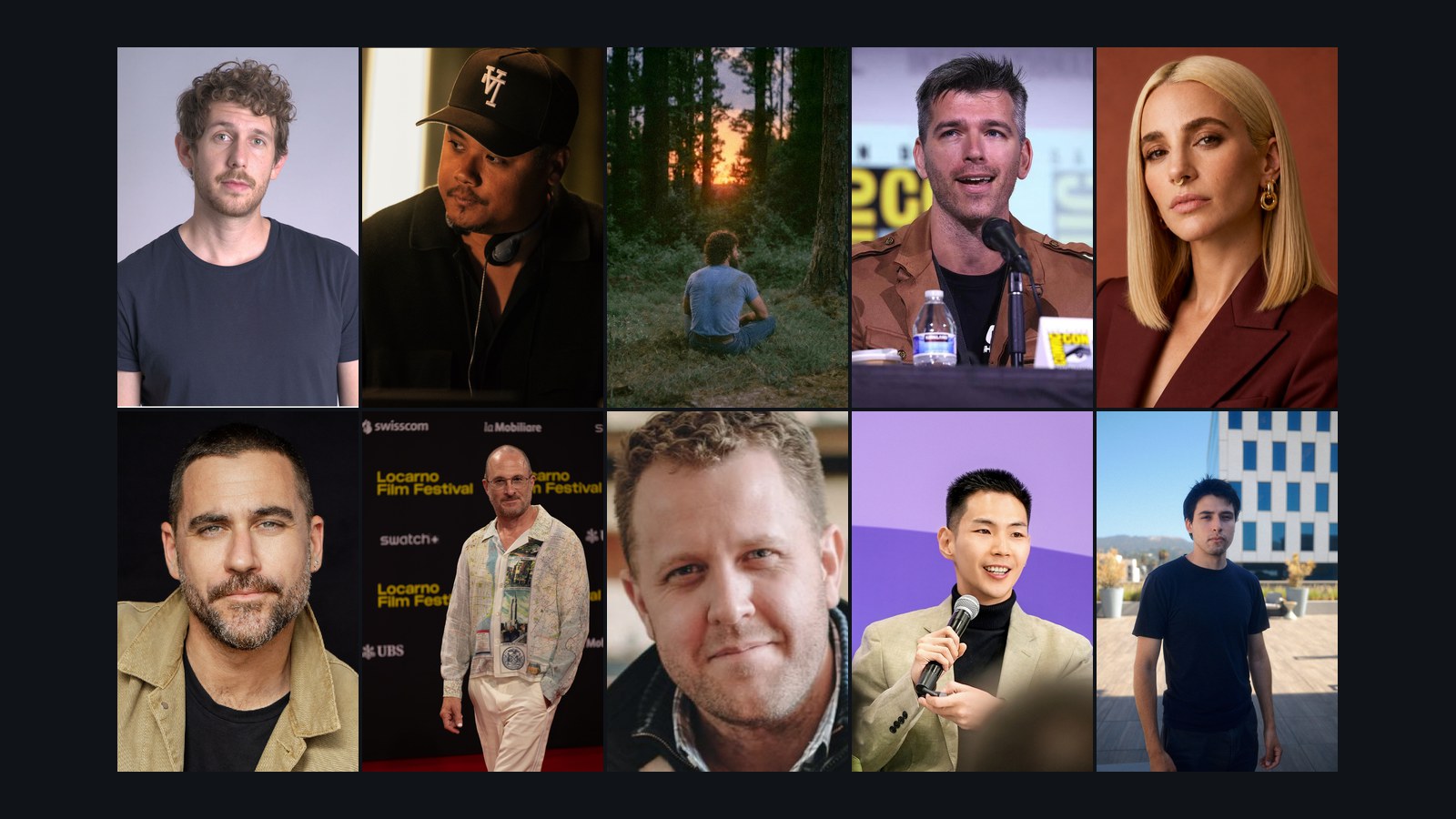
Zack London
Filmmaker & Creator, Gossip Goblin
Zack London has already built the audience. Now he finds out whether it will follow him into movie theaters.
As Gossip Goblin, London has drawn more than a million YouTube subscribers with AI-generated science-fiction stories, a following few independent filmmakers have before their first feature.
That feature is Gods Don't Give Gifts, an R-rated anthology produced with Edward Saatchi's AI entertainment company Fable. It follows four interconnected stories in a future where technology has transformed humanity's relationship with identity and existence. The trailer has passed 15 million views across platforms, according to the studio, and Grimes has joined the production, lending her voice and likeness.
After an early screening at the American Film Market, the film opens in theaters on December 4 for an Oscar-qualifying run, then expands on January 22, 2027, alongside an international rollout with distributor AGC International.
The LA Globe caught a sneak peek of the film: a supremely impressive feat of human talent and technology. One line has stayed with us: “There’s only so much wonder a soul can carry.” We can’t say more for now.
Original IP, an audience and a theatrical path, all built outside the studio development system. Now the box office gets its say.
Why London made the list: Built the audience first and the film second, on terms no studio set.
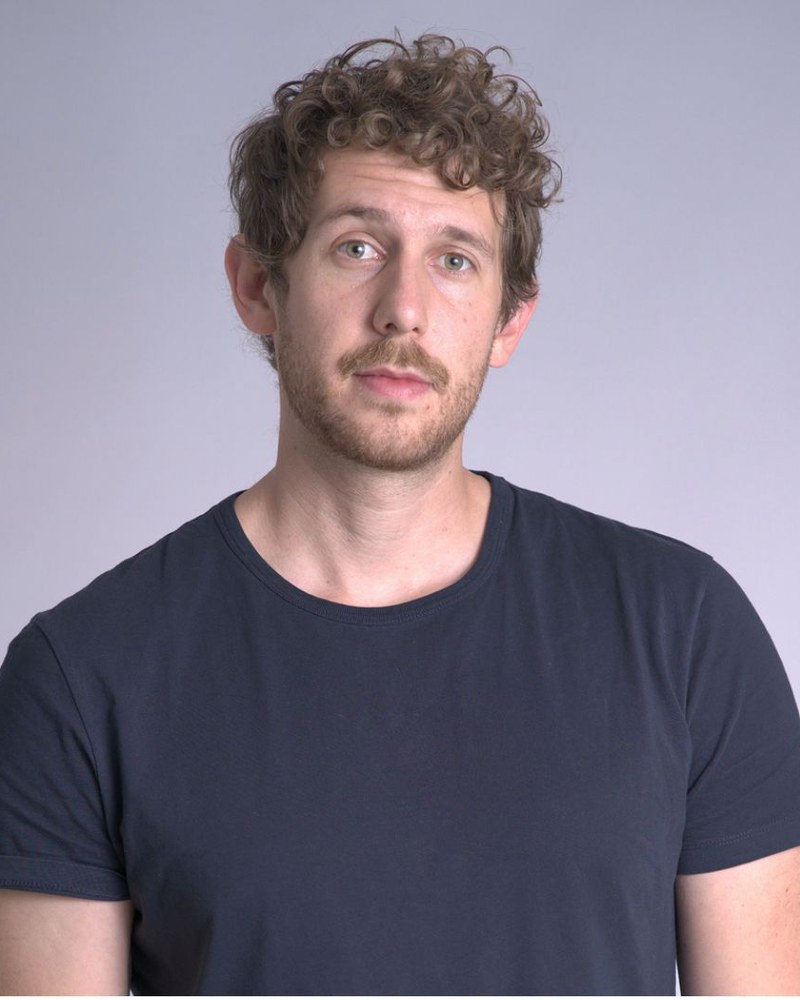
Dave Clark
Co-Founder & Chief Creative Officer, Promise
Dave Clark no longer has to prove that AI can produce compelling images. His job now is proving that a studio built around it can deliver professional entertainment, project after project.
Early experiments including the war short Battalion and the live-action/generative hybrid Another established him as a director interested in more than visual spectacle. In 2026 his psychological thriller TAIRELL ISN'T REAL, about an influencer whose very existence becomes a subject of suspicion online, was a film honoree at Runway's AI Festival.
The bigger undertaking is Promise, the AI-native studio Clark co-founded in 2024 with George Strompolos and Jamie Byrne. Backed by investors including Andreessen Horowitz, the company is developing original films, series and production workflows. Its slate includes Touch Grass, a psychological horror feature Clark is attached to direct with producers Brad Miska and Backrooms executive producer Chris White, along with the animated feature Tuning In, the series Hardcore 94 and a horror pilot now in postproduction.
Promise also took part in the 2026 Disney Accelerator, demonstrating technology that combines live-action performances with AI-generated environments.
Why Clark made the list: A director’s eye, and the patience to build a company around it.
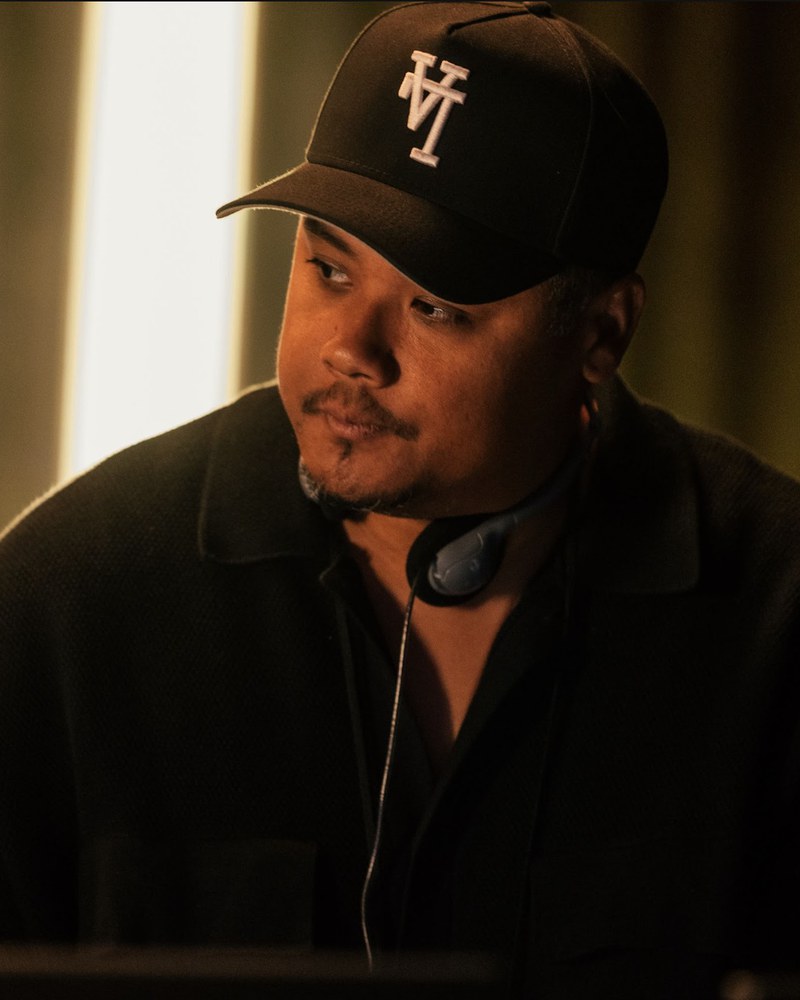
LatentDiffusion
Independent AI Film Studio, CRAFT (1979)
In a medium often criticized for disposable spectacle, LatentDiffusion built a world people want to return to.
The anonymous independent studio is behind CRAFT (1979), a ten-part fantasy series that reimagines the world of Minecraft as a forgotten live-action production from the late 1970s, all grainy textures, understated performances and long stretches of isolation.
The debut episode has drawn more than 2.5 million views and the first-season finale roughly half a million, notable numbers for a series built on deliberate pacing and limited dialogue.
The studio has also shown its work. The Making of CRAFT (1979) documents the writing, story development, editing and sound design required to produce a coherent series from generative material, a pointed answer to the idea that AI entertainment is as simple as entering a prompt. Its philosophy fits in one line: “Without editing, there is no craft.”
Initially developed without outside investors, CRAFT is now a fan-supported production, with a second season in development and a community invited to contribute to the creative process.
Why LatentDiffusion made the list: Proof that taste, pacing and editing matter more than the tool.
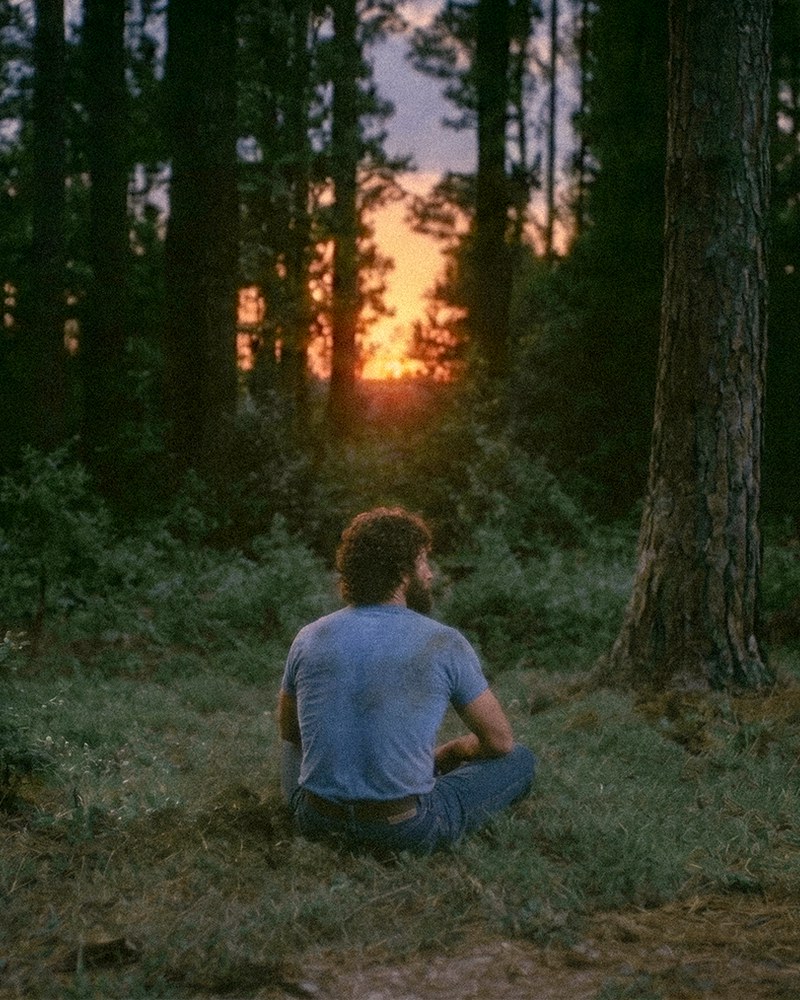
PJ Accetturo
CEO, Genre.ai
PJ Accetturo became one of AI filmmaking's most recognizable names by showing how little a striking commercial could cost. His latest work argues that making something worth watching still costs real money.
His Kalshi spot aired during the 2025 NBA Finals with reported AI-generation costs under $2,000 and became a symbol of the technology's disruptive potential. Accetturo, who runs Genre.ai, has since expanded beyond advertising with Nexus, an original fantasy universe produced in partnership with ByteDance's Dreamina. By late October he reported more than 62 million views across the series, and a larger Nexus feature is in development.
In November, Accetturo disclosed that a new multipart Nexus installment took 45 days of production and cost $102,725. About 80% of that budget, he said, went to labor: the writers, director, editor and animators who bring coherence and polish to generated material.
Why Accetturo made the list: Rare candor about what this work really takes, numbers included.
The Studio Builders
Verena Puhm
Founder & CEO, Matriarch
Most of Hollywood's AI conversation is about making entertainment faster or cheaper. Verena Puhm is asking a different question: What if the technology could change how studios understand the stories audiences want?
After serving as head of Luma AI's Dream Lab Los Angeles, Puhm launched Matriarch in 2026, a Los Angeles-based AI-native studio that develops original intellectual property, works with entertainment companies and builds tools for creative production.
At its center is what Matriarch calls Affective Content Intelligence, a proprietary approach combining biometric signals, self-reported emotional intent and content data. Where platforms measure clicks and completion rates, Puhm is exploring whether deeper emotional signals can inform development, discovery and ultimately greenlighting decisions.
The approach is still emerging, but the creative work is already winning recognition. Matriarch's Nobody Dies on Mars, about a chef who tastes nothing and a Martian who feels everything, took second place in the 2026 Future Vision XPRIZE competition. Selected from more than 2,500 submissions, it received a $100,000 award.
Why Puhm made the list: Building a studio and the research behind it at once, and already winning with the work.
Bryn Mooser
Founder & CEO, Asteria
Bryn Mooser is working on one of Hollywood's most immediate problems: making generative AI practical, controllable and commercially usable for professional filmmakers.
The two-time Academy Award-nominated producer's ventures include immersive-media company RYOT, documentary studio XTR and streaming platform DOCUMENTARY+, the last two now part of Asteria. Asteria, based at the historic Mack Sennett Studios in Silver Lake, is his most direct attempt to reshape production itself, developing AI-assisted workflows that emphasize artistic direction, licensing and creative control.
Mooser is also a co-founder of Moonvalley, Asteria's parent company, which says its Marey generative video model was trained on licensed material, an approach aimed at the concerns that have complicated AI adoption across the industry.
The creative work is reaching major platforms. Asteria's animated short ChikaBOOM!, with a voice cast including Yara Shahidi, Natasha Lyonne, Daveed Diggs and Roy Wood Jr., premiered at the 2026 Tribeca Festival. The company is also involved in developing Uncanny Valley, Lyonne's planned feature directorial debut, co-written with Brit Marling.
With copyright and ownership still at the center of the industry's AI fight, Mooser's bet is that how a model was trained matters as much as what it can generate.
Why Mooser made the list: Taking on the problem that keeps much of Hollywood on the sidelines: trust in how these tools are built.
Darren Aronofsky
Founder, Primordial Soup
Few established filmmakers have embraced generative AI as publicly, or invited as much scrutiny for doing so, as Darren Aronofsky.
The Academy Award-nominated director of Black Swan, The Wrestler and The Whale has spent his career on obsession, memory and the boundaries of human experience. Primordial Soup, his AI-focused creative venture, carries those interests into a new medium, with results that have been provocative and, at times, divisive.
On This Day…1776, an AI-assisted historical series created with TIME Studios and Google DeepMind, drew criticism for its generated visuals. At the 2026 Cannes Film Festival, Primordial Soup presented Goodnight Lamby, a Cannes Classics selection directed by visual artist Dustin Yellin and featuring Paul Rudd, Chris Rock and Zia Copernicus Yellin.
Love, Rendered, which screened at the 2026 Telluride Film Festival, put the technology to a different use. Directed by Liz Garbus and produced by Aronofsky and Dan Cogan, the documentary short follows Burt and Ethelle Shatz, married for more than seven decades, as they use AI-assisted imagery to reconstruct the day they first met. As Burt's memory fades, Ethelle works with the filmmakers to refine a recreation of a moment that was never photographed.
Why Aronofsky made the list: A major filmmaker’s name and nerve, put behind the experiment in public.
Jon Erwin
Founder & Chief Creative Officer, Wonder Project; CEO, Innovative Dreams
Jon Erwin is bringing AI-assisted filmmaking into mainstream scripted television at a scale few established producers have publicly attempted.
As the filmmaker behind Prime Video's House of David, Erwin has used generative tools to help create the armies, environments and large-scale historical sequences the biblical story requires, while keeping live-action performances at the center.
The growth is measurable. According to Wonder Project, the first season included about 70 AI-assisted shots. The second used between 350 and 400.
Through Wonder Project and its production-services venture Innovative Dreams, Erwin is also developing what the company calls Realtime Hybrid Filmmaking, which combines performance capture, virtual production and visual effects, with generative AI used at every stage.
His track record gives the effort commercial weight. I Can Only Imagine and Jesus Revolution demonstrated the audience for faith-and-values entertainment, and Wonder Project reports more than 44 million viewers worldwide for House of David. It is an established series serving a mainstream audience, with generative tools working inside the conventional Hollywood model.
Why Erwin made the list: Showed these tools can work at scale inside a hit series, for a mainstream audience.
The Technologists
Tony Pu
Head of Community & Partnerships, Kling AI
As competition among AI video platforms intensifies, technical capability is only part of the contest. The harder part is convincing professional filmmakers that these tools can be reliable parts of their process. That is Tony Pu's job.
As head of community and partnerships at Kling AI, Pu connects one of the leading generative video platforms with filmmakers and production professionals. His background spans filmmaking, creative direction and widely adopted creative tools, including earlier work at ByteDance's CapCut.
In 2026 he helped take Kling's ambitions directly to the entertainment industry. At the Cannes Film Market, Kling announced a technology partnership with Evolutionary Films on Minibots, an upcoming animated feature whose production approach puts human creative direction and performance at the center. At the Toronto International Film Festival's inaugural industry market, Pu moderated a discussion on the practical problems facing filmmakers who use generative tools: artistic control, consistency and production-ready workflows.
Kling says it has served more than 100 million creators and industry professionals worldwide. Which platforms working filmmakers adopt next may depend on relationships like the ones Pu is building.
Why Pu made the list: Adoption is won one filmmaker at a time, and Pu is the one doing that work.
Pablo Salamanca
Machine Learning Engineer, Netflix
Some of the most consequential changes to filmmaking may never be obvious to audiences. They may happen in technology that lets directors rethink what a camera captured long after the scene was shot. Pablo Salamanca is helping build it.
A 2025 graduate of the University of Pennsylvania, Salamanca joined Netflix as a machine learning engineer shortly after finishing his undergraduate studies, working on video models and the computing infrastructure that runs them. After Netflix's March 2026 acquisition of InterPositive, Ben Affleck's filmmaking technology company, he became involved in integrating its machine-learning systems into Netflix's infrastructure. InterPositive's technology works with footage from actual productions rather than generating films from text prompts.
Salamanca is a credited co-author of three 2026 research projects associated with Netflix and Eyeline Labs. Vista4D, presented at the Conference on Computer Vision and Pattern Recognition, explores re-rendering an existing video from new camera positions. DiffHDR, presented at the European Conference on Computer Vision, investigates how diffusion models can synthesize plausible detail in footage with limited exposure information. ID-V2V, accepted for SIGGRAPH Asia 2026, explores changing a video's style, lighting and environment while preserving the actors' identity and performance.
The research is still experimental, not production software, but it is already traveling: open-source developers have begun integrating some of the techniques into tools such as ComfyUI.
Why Salamanca made the list: A year out of college, already an author on three papers that could change what happens after the shoot.
Comments 0