 ™
™The County's Free Soil Test Stopped Aug. 14. Here's What It Found
The county took its last free lead samples on August 14 and handed the job to USC. What the program was, what it found in yards that never burned, and where a bag of dirt goes now.
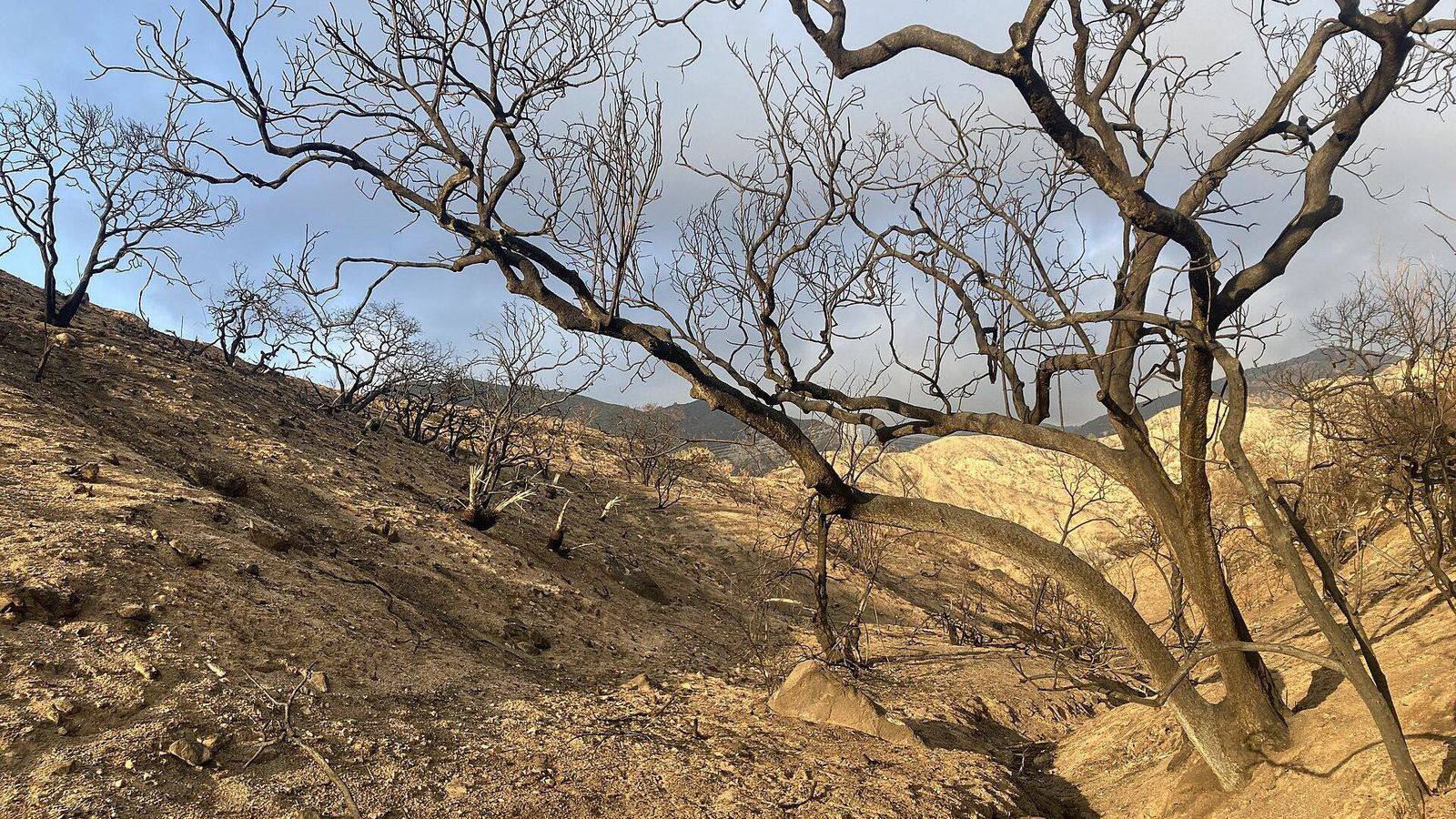
The county's free soil test is over. The Los Angeles County Department of Public Health took its last samples on Friday, August 14, and on August 15 the work moved to USC's CLEAN project. That's what the county's own program page says now, and as of September 7 it's about all the page says: the drop-off tables, the hours and the addresses are gone from it. If you missed the date, you didn't lose much, and I'll show you where the door is now. If you made it, your number is only useful next to what the county found, so keep reading either way.
What the program was
It was a lead screen, and only a lead screen. Up to $3 million from the county's Lead Paint Hazard Mitigation Program paid for free soil lead testing for people living inside and downwind of the Eaton and Palisades burn areas. You dug the sample yourself, following the county's posted steps. You printed the county's form, filled it out and put it in the bag. Then you dropped it off. A certified lab emailed your result in seven to 10 business days, and the county posted separate guidance on reading it.
Eaton-area bags went to the Public Health table at the One Stop Permit Center, 464 W. Woodbury Road, Suite 210, Altadena, weekdays 8 a.m. to 4:30 p.m. Palisades-area bags went to the Palisades Recovery Coalition, 15233 La Cruz Drive, weekdays 10 a.m. to 4 p.m., with an outside drop box the county said could be used any time. Those were the hours through August 14. Neither table takes soil anymore.
The county drew squares on a map, and a lot of streets fell between two of them. Its answer was that a sample from inside the burn scar, downwind of it, or right outside it could be sent in even if the property wasn't inside a highlighted square. That rule mattered for a year and a half, and it is the one piece of the old page I'd want you to remember, because the county's findings below are about houses that never burned.
What the county found before the program ever opened
The baseline came first. The county's final findings, released September 12, 2025, cover soil and ash that Roux Associates sampled for the county between February 18 and March 26, 2025, testing for heavy metals, PAHs, and dioxins and furans across sampling grids in both fire regions.
In the Eaton Fire Region, 23 of the 70 grids held homes that were still standing. Ten of those 23 averaged above California's 80 milligrams-per-kilogram lead screening level, from 80.2 to 167 mg/kg. Those were houses that never burned, sitting downwind of houses that did. The county said the pattern matched the high lead it measured in the air in the days right after the fire. The Palisades Fire Region showed no large-scale fire-related soil impacts, lead included; testing there found two isolated spots above screening thresholds, cadmium and thallium in one and arsenic and PAHs in the other, and the county said it didn't know their source or whether the fire caused them.
Where did the lead come from? The county's report pinned it on burning houses that carried lead-based paint, which it noted was common before 1979, and it cited USC's Lusk Center for Real Estate finding that more than 70% of the houses in the Eaton Fire Region were built before that year. Older houses upwind of you meant more reason to test. That was true in August and it's still true.
The county's page now points to a results dashboard, the Eaton/Palisades Post-Fire Dashboard – Surface Monitoring, for soil lead results added up by zip code. That's where the program's resident samples live now. The page doesn't say how many bags came in, and I won't guess.
What it handed to USC
The county page says Public Health worked closely with USC from the program's start, that both programs use a similar approach to soil lead testing, and that a coordinated transition plan was set up so residents keep free access without a gap. That's the whole official account of the handoff. There's no separate notice about samples dropped in the last days before August 14; the county's word was seven to 10 business days from drop-off, and the page doesn't say anything different now.
On the USC side, the CLEAN project page, as of September 7, still had a Submit a sample button at the top, said it had tested more than 6,000 samples, and called itself the only program still collecting samples countywide. It's paid for by FireAid and LA Care, not by the county. One thing to know: USC's page still describes CLEAN as a separate program from the county's soil testing and hasn't been rewritten to say it took the county's work over. The county's page is the one that says the handoff happened. I'm telling you both, because that's what the two pages say.
CLEAN's own findings, reported in August, are the other half of the record. The project said it had tested more than 6,000 soil samples countywide, plus more than 900 seawater samples, and found no countywide post-fire contamination signal for arsenic, mercury or hexavalent chromium. Lead was the thing that kept showing up, and it didn't show up evenly. "Lead levels can vary substantially even within a single yard," principal investigator Josh West said in the project's summary of its findings. One scoop from one corner of the yard was never the whole answer.
The two numbers, and why they don't fight
Two lead numbers get quoted, and they aren't the same kind of number. California's Department of Toxic Substances Control uses a residential screening level of 80 mg/kg, and that's what the county read its samples against. The U.S. EPA's figure is 200 parts per million, lowered from 400 in January 2024 guidance that also recommends 100 ppm where another lead source is around, like lead water pipes or lead paint. The EPA number tells its regions how to grade federal Superfund and RCRA cleanups. It's a threshold for looking harder, not a rule anyone can enforce on your yard. California's 80 is the stricter one, and stricter is what the county used.
The federal government did go back and look. In a May 19, 2026 release, the EPA said it sampled 100 randomly picked Eaton Fire properties the Army Corps had already cleared, took 4,200 soil borings, and found lead was the only fire-related contaminant of concern: 98% of properties met the federal subsurface lead screening level and 95% met it at the surface, with median lead of 31 mg/kg in the top inch and 21 mg/kg at six to seven inches.
Read the county's finding and the EPA's together, because they aren't in conflict. The EPA looked at lots the federal cleanup had scraped and graded them against 200. The county looked at standing homes downwind, lots no cleanup crew ever visited, and graded them against 80. A yard can pass one test and fail the other, and the yards most likely to fail were the ones nobody came to. Neither number is a verdict. The county said so itself: Los Angeles soil has many lead sources, so more checking may be needed to sort fire lead from the lead that was already there. And CONSORTIUM's screening-limits table says the harder thing plainly: for children and pregnant people, no level of lead is considered safe.
Do you still need a test?
The county's window closing didn't change the answer to that. The questions come from the CONSORTIUM soil remediation guide, written by lead author Dr. Danielle Stevenson with the group's soil remediation working group, and from the county's findings above. Sujeet Rao, health and well-being practice director at USC's Public Exchange, told LAist the guide was meant to help fire-affected families sort out exactly this.
Your house burned? Test. The guide is blunt: testing is the only way to know whether cleanup is needed at all.
Ash landed on your property? Test. Ash on your side of the fence is the trigger, not the fire's official line on a map.
No ash, and no burned homes near you? Then a test is likely unnecessary, per the same guide. This is the question most people skip, and it's the one that saves the most households a step.
A child under 6 or a pregnant person lives there? Test, even if the two questions above came back easy. The guide singles those households out, and so does the county's cleanup money below.
You tested once, from one spot? Consider testing again in more places. For lots under 3,500 square feet, the guide's advice is at least three composite samples from each area you care about. The vegetable bed and the side yard are different questions.
One limit the county program always had: it screened for lead and nothing else. The guide's fuller recommendation is a panel: CAM 17 heavy metals, lithium, hexavalent chromium and PAHs, which are polycyclic aromatic hydrocarbons, the leftovers of anything burning. A private lab runs that panel. A free lead screen never did.
If your number came back high
Public money for the cleanup itself has been approved, and as of September 7 it still isn't open. The Board of Supervisors approved the Altadena Soil Remediation Program on July 21, 2026: $3 million total, $1 million from Supervisor Kathryn Barger's Fifth District and $2 million from the 2025-26 state budget, run by the Los Angeles County Development Authority with CONSORTIUM, CAP.LA, USC CLEAN and the LA Fire HEALTH Study among its partners. It puts households with standing homes where pregnant people or children under 6 live at the front of the line. "Families whose homes survived the Eaton Fire have faced obstacle after obstacle," Barger said in the county's announcement. That announcement said the program was expected to launch this fall, and when I read it again on September 7 it still said that and still carried no enrollment instructions. So the useful thing to hold is what it was in August: a written test result, ready for a program that opens later.
Paying for it yourself is the other road, and the guide prices four methods. Digging the soil out and hauling it away runs up to $50,000 or higher, takes days to weeks, needs no upkeep afterward and gets the guide's highest confidence rating. Capping, which seals the dirty soil under a clean layer, runs roughly $10,000 to $100,000 per site and needs yearly inspections. Immobilization, which binds the metals in place chemically, runs roughly $10,000 to $50,000 but is rated high-maintenance and low-to-moderate confidence. Bioremediation runs in the same range and takes weeks to years; the guide rates it high confidence for PAHs and moderate for metals. Notice what that table is telling you: the cheaper options are the ones you have to keep paying attention to.
Two things still cost nothing. The guide's exposure advice is the plain kind: shoes off at the door, wet-mop instead of sweeping, wash hands after yard work. And the blood test is still free and still on the county's page: ask your doctor, which most insurance including Medi-Cal covers, or call 1-800-LA-4-LEAD for a no-cost appointment through Quest Labs. Soil is the question. Blood is the answer that matters.
Why this was your errand in the first place
Federal debris crews cleared the destroyed lots and scraped six inches of soil from the ash footprint, per the county's description of the Army Corps' scope, and didn't test what was left underneath as part of that work. As CalMatters reported, no federal or California rule requires soil testing after a fire, and FEMA broke from its earlier habit of routine post-fire soil sampling. That's how a county department, a university and a volunteer science group ended up splitting a job that used to come with the cleanup. The county has now set its piece down. The university and the volunteers are still holding theirs.
You're wondering what to do with a bag of dirt you never dropped off. Here's the step. As of September 7, USC CLEAN's page still takes free self-collected samples through its Submit a sample button, and that page, not the county's, is where the county now sends you. Label the bag, follow CLEAN's collection instructions, and send it. The county's window closed on August 14. The testing didn't.
Comments 0