 ™
™Comcast Turns Xfinity Gateways Into Motion Sensors — And Reserves the Right to Share the Data Without Telling You
Wi-Fi Motion is free and opt-in on Xfinity gateways XB7 and newer, TechCrunch reported on August 18, 2026. An Xfinity support page says data it generates may go to third parties "without further notice."
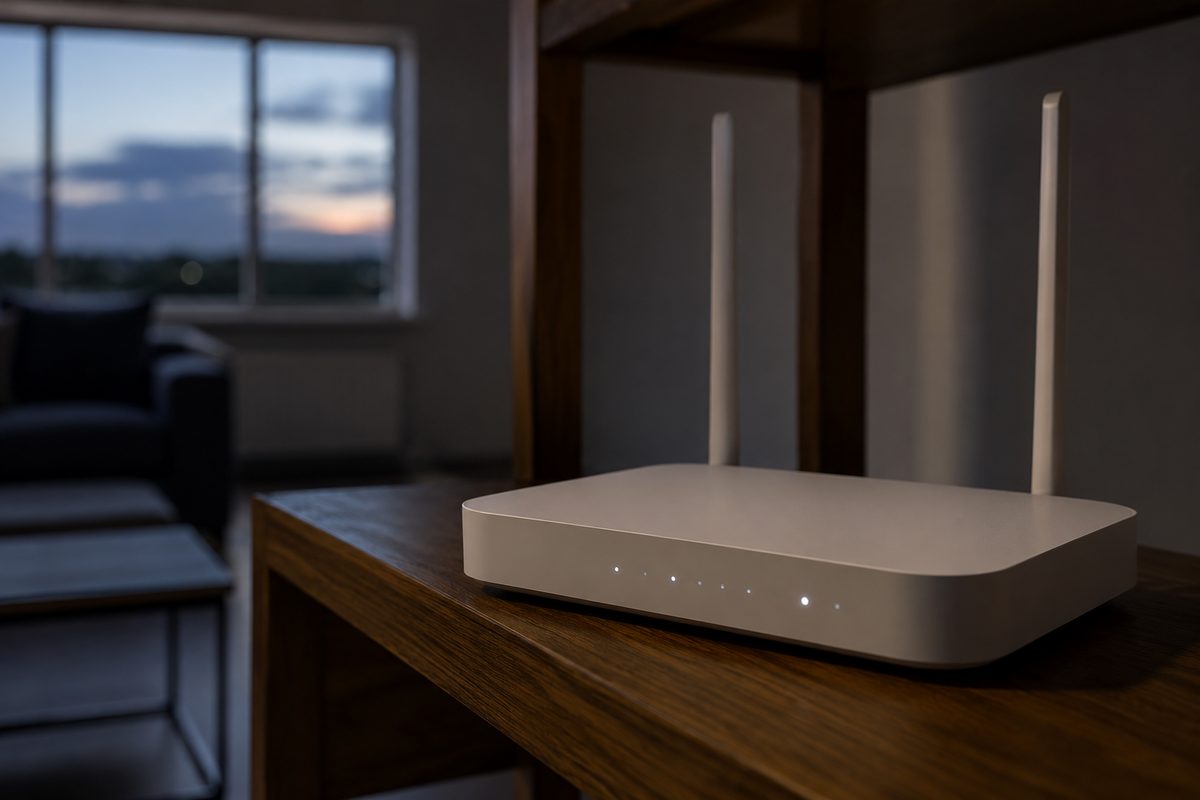
Comcast has rolled out a motion-detection feature called Wi-Fi Motion that turns its newer home internet gateways into sensors, and the company's own support documentation says information the feature generates may be disclosed to outside parties without telling the customer. TechCrunch reported the rollout on August 18, 2026, in an item by Zack Whittaker posted at 9:39 a.m. Pacific time. TechCrunch describes the feature as reaching millions of the company's newer routers.
What the feature actually does
Wi-Fi Motion detects interruptions to the Wi-Fi signal of the wireless network in a home, according to TechCrunch. When it registers those interruptions, it sends a notification through the Xfinity app. The stated use case is letting a homeowner receive alerts about activity detected inside the house while they are away. The feature is free.
It does not work on every piece of Comcast hardware. TechCrunch reports that Wi-Fi Motion works on advanced Xfinity gateways XB7 and newer models. It is opt-in, meaning a customer chooses whether to switch it on in the Xfinity app.
The rollout was first reported by The Verge. As quoted by that publication and relayed by TechCrunch, customers can use the feature for “motion detection in their home and for a basic level of security.”
The clause worth reading before switching it on
The trade-off sits in Comcast's own support material. TechCrunch quotes an Xfinity support page as follows:
Comcast may disclose information generated by your Wi-Fi Motion to third parties without further notice to you in connection with any law enforcement investigation or proceeding, any dispute to which Comcast is a party, or pursuant to a court order or subpoena.
Three separate triggers are named in that sentence. One is a law enforcement investigation or proceeding. One is any dispute to which Comcast is itself a party. One is a court order or subpoena. The phrase “without further notice to you” attaches to all of them.
What is not yet established
The TechCrunch item is short, and several things a Los Angeles household would want to know are not in it. It does not say how long Comcast retains the data that Wi-Fi Motion produces. It does not break out how many of the eligible XB7-and-newer gateways are installed in Los Angeles or anywhere else in California. It does not address how the disclosure language interacts with California privacy law, and it does not report a Comcast response on how the company handles law enforcement requests for this specific category of data.
Those are the open questions, and this desk is putting them to Comcast. Until they are answered on the record, the checkable facts are the ones above: the feature is opt-in, it runs on XB7 gateways and newer, it works by reading disruptions to a home's own Wi-Fi signal, and the company has written down in advance that what it learns can leave the house without a heads-up.
Comments 0