 ™
Britain Fell Back Sunday, but Los Angeles Waits Until Nov. 1
U.S. clocks go back an hour at 2 a.m., and the bill to end the switch is still sitting in a Senate committee.
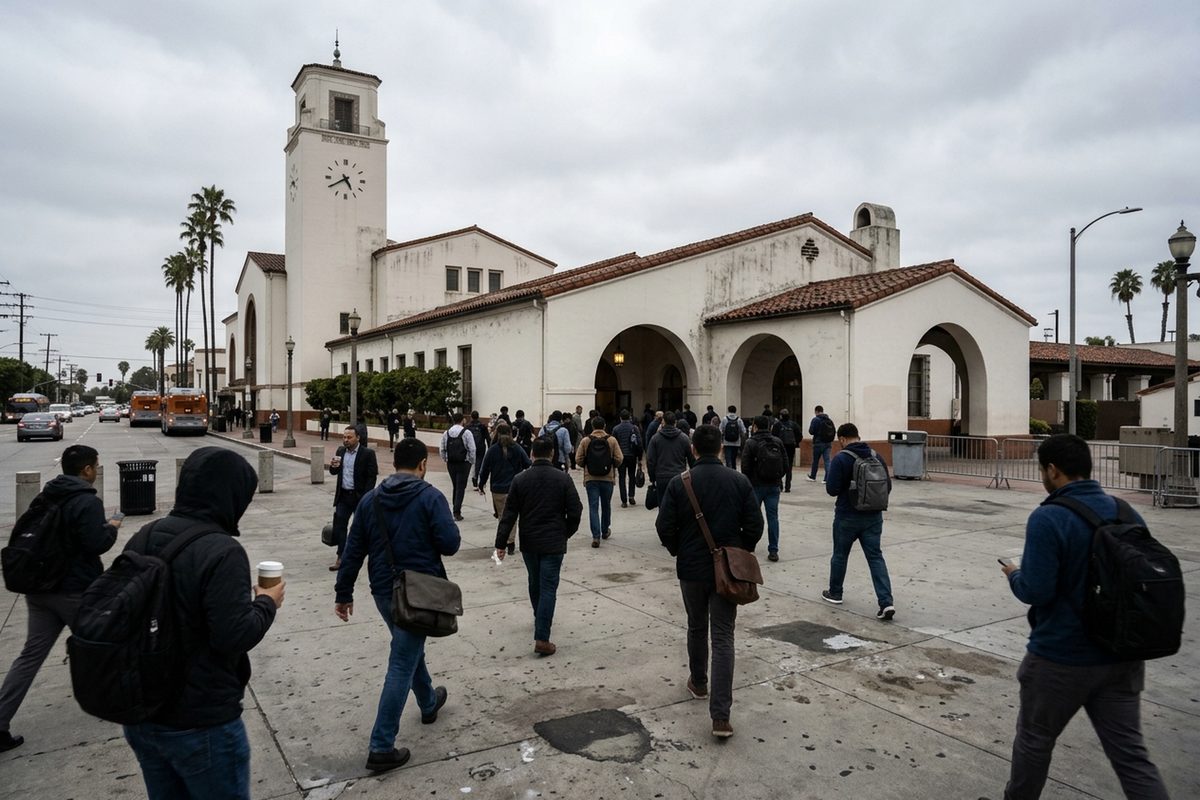
Britain set its clocks back an hour at 2 a.m. Sunday. If your phone in Los Angeles didn't move, it isn't broken. California falls back a week later, at 2 a.m. on Sunday, Nov. 1.
A lot of people checked anyway. "Daylight saving time" was among California's top searches on Google Trends Sunday morning, at more than 10,000 searches, and "Clocks go back an hour" was trending on Bluesky next to news about British storms. Here's what happens next week, and where the bill to end the switch is stuck.
- The change comes Nov. 1. Federal law ends daylight saving time at 2 a.m. on the first Sunday of November. This year that's Nov. 1, when 2 a.m. rolls back to 1 a.m. standard time, ABC7 reported. That's the hour you get back.
- Britain goes first on purpose. The U.K. does its autumn change at 2 a.m. on October's last Sunday, the British government says. The U.S. used to end daylight saving on October's last Sunday too. Then a 2005 law moved the end date to the first Sunday of November, starting in 2007, according to the notes to the federal statute.
- Not everyone changes. Hawaii doesn't touch its clocks, and neither does most of Arizona, according to the U.S. Department of Transportation. Its list of holdouts also includes five territories: Puerto Rico, Guam, American Samoa, the Northern Mariana Islands and the U.S. Virgin Islands. The Navajo Nation, which reaches into Arizona, does change its clocks, ABC7 reported.
- The bill to stop the switch is parked in the Senate. On July 14, the House voted 308-117 for the Sunshine Protection Act, H.R. 139, from Rep. Vern Buchanan, a Florida Republican. The Senate got it the next day and sent it to its Commerce, Science and Transportation Committee. Congress.gov still shows that referral as the bill's latest action.
- The fight has names on it. President Trump has blamed Sen. Tom Cotton, an Arkansas Republican, for holding up the bill, and he posted what looked like Cotton's cellphone number, The Hill reported. Senate Majority Leader John Thune has said he doubts the bill can get the 60 votes it needs to move forward, The Hill reported. Cotton's answer on X was that lawmakers have tried year-round daylight saving before, and each time undid it after people lived through "absurdly late sunrises in the winter."
- The best-known try came in the 1970s. A 1973 emergency energy law kept the country on daylight saving time through the winter, the statute's notes show. Some parents didn't want to send their kids to school in the dark, ABC7 reported, and Congress repealed the change in 1974.
- If the bill passes, states get one deadline. Under the bill, the clock the country keeps in summer would become its standard for good, the summary on Congress.gov says. A state could pick permanent standard time instead, but only if its legislature acts before the bill becomes law, Buchanan's office said.
Until the Senate moves, the old routine still applies. Before bed Saturday, Oct. 31, set any clock that doesn't update itself, like the one on the microwave or the car dashboard, back one hour.
Source: abc7.com, retrieved October 25, 2026. Other sources: law.cornell.edu, gov.uk, transportation.gov, congress.gov, buchanan.house.gov.
Comments 0