 ™
™A Green Card Holder Was Ordered Sent to Afghanistan, NPR Reports
Nazira Haji Zada, 47, a lawful permanent resident arrested in Fort Worth, waived her challenge; the evidence against her stays classified.
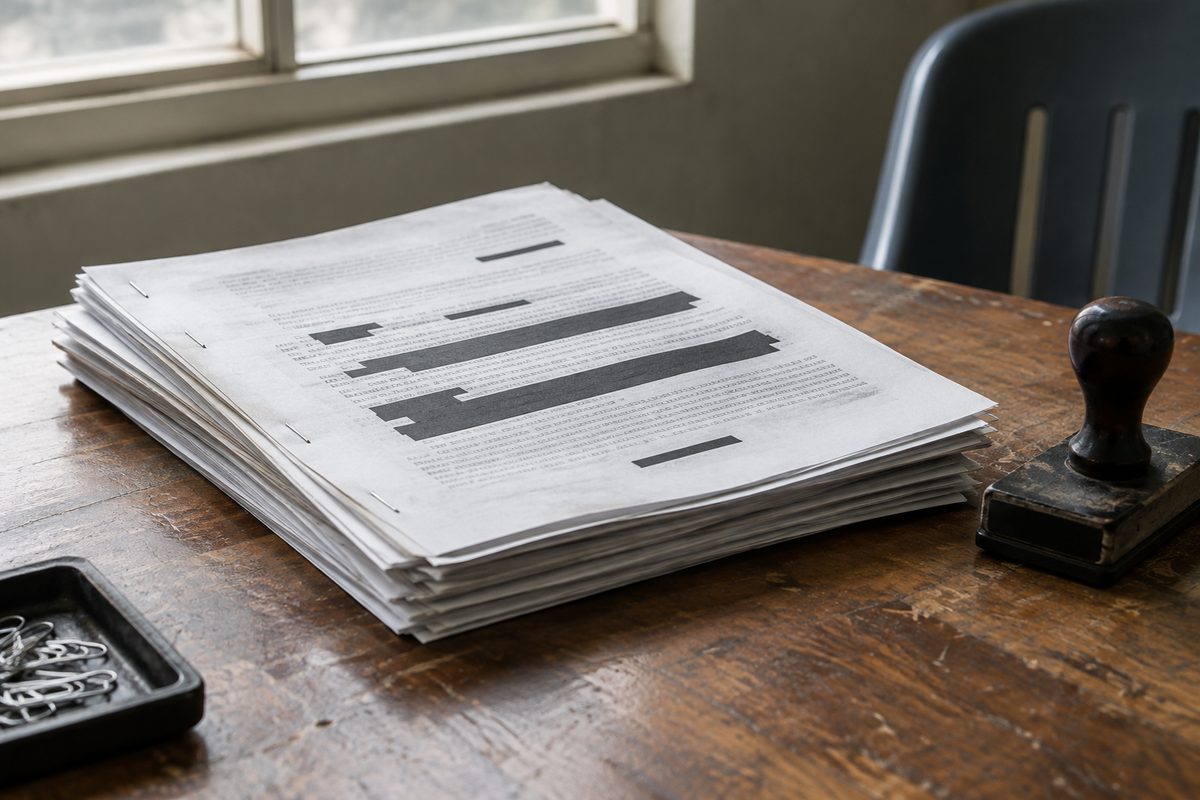
A 47-year-old lawful permanent resident from Afghanistan was ordered removed from the United States on Aug. 20, 2026, on evidence the government has kept classified. NPR reported that the order came from Senior U.S. District Judge Joan Ericksen in the first case ever brought at the Alien Terrorist Removal Court, which Congress created in 1996. No date for a flight has been made public.
The woman is Nazira Haji Zada, who came to the United States in 2018 and was arrested in July at her home in Fort Worth, Texas, NPR reported. Her husband worked at Bagram Air Base from 2009 to 2016. Her green card didn't route her into an ordinary immigration docket or a criminal indictment.
It routed her into a courtroom built for classified evidence. Instead of charging her with a crime, Justice Department leadership opened the first civil proceedings at the removal court, which NPR describes as secretive and as working under a lower standard of proof than a criminal trial. Attorney General Todd Blanche approved the government's application before it went to the judge, the outlet reported.
Blanche said the case shows "how the Department will use every tool at its disposal to protect our country," according to NPR. His statement described the case as resulting in the prompt removal of Haji Zada.
The filings that became public tell a short procedural story. Documents dated Aug. 20, 2026, show that Haji Zada waived her right to challenge her detention and agreed to the deportation, NPR reported. Ericksen signed the removal order the same day.
What she was accused of isn't on the public record. The evidence supporting removal remains classified, and the government said in court documents that disclosing it would pose a risk to national security. That's the arrangement the 1996 statute was written to allow: the department brings material a judge can see and the public can't.
The distinction that matters here is between an order and its execution. The record NPR describes carries a signed order to remove her. It doesn't carry a flight, a handover or a date one happened, and the government hasn't announced one.
Ericksen signed on Aug. 20. The papers reached the public three weeks later, on Friday, Sept. 11, 2026.
Comments 0