 ™
™SEC Charges Three Ex-Tricolor Executives Over $1.9 Billion Subprime Auto Collapse; $945 Million Still Owed
The Securities and Exchange Commission says loans backing Tricolor Holdings' bond deals were pledged twice. The lender's dealerships sold to working-class and immigrant buyers across Southern California.
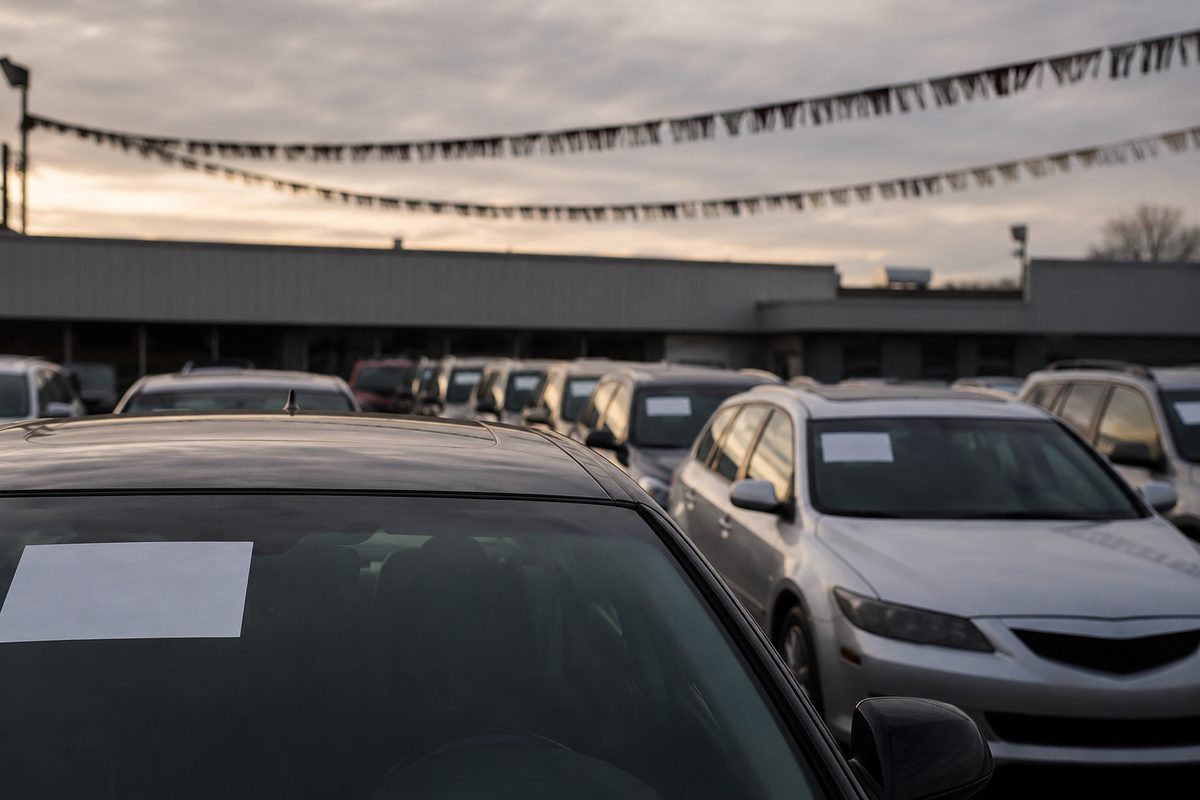
The Securities and Exchange Commission on August 18, 2026 charged three former executives of Tricolor Holdings, LLC, a Texas-based subprime auto lender, with fraud connected to the company's $1.9 billion collapse. The three are Daniel Chu, the former chief executive officer; Jerome Kollar, the former chief financial officer; and Ameryn Seibold, the former senior director of finance, according to the agency's press release.
Tricolor's dealerships sold cars to working-class and immigrant buyers across Southern California. The loans written at lots like those are the raw material of the case: the SEC alleges the company packaged subprime auto loans into asset-backed securities offerings and told investors the collateral was clean when it was not.
What the complaint alleges
From at least 2020 through Tricolor's bankruptcy in September 2025, the company raised more than $1.9 billion through asset-backed securities offerings, the SEC says in its complaint. Over that period, Tricolor, Chu and Kollar made what the agency calls numerous false and misleading representations about the lender's financial health, portraying the company as financially sound while knowing it faced significant liquidity constraints and was struggling to fund its operations.
The central allegation is double pledging. In offering materials and in meetings, according to the SEC, Tricolor represented that loans in the collateral pools were free and clear of other liens, when the defendants knew that many had been or would soon be pledged to other securities offerings and lenders. The complaint also alleges the defendants manipulated loan metrics so that non-paying or defaulted loans appeared current, and therefore eligible to go into the securitization pools.
The number that measures the hole: more than $945 million of principal tied to those offerings was still outstanding and payable to investors when Tricolor filed for bankruptcy, per the SEC's complaint.
The criminal case came first
The U.S. Attorney's Office for the Southern District of New York announced criminal charges against Chu, Kollar and Seibold in December 2025, months before the SEC's civil action, the agency said.
"We allege that these defendants defrauded investors based on bogus collateral and violated the integrity of our private credit markets."
That is David Woodcock, director of the SEC's Division of Enforcement, quoted in the commission's own announcement. He credited the Southern District of New York, the Federal Bureau of Investigation and the Federal Deposit Insurance Corporation Office of Inspector General with assisting.
What the SEC is asking for
The complaint was filed in the U.S. District Court for the Southern District of New York. It charges all three with violating the antifraud provisions of the Securities Act of 1933 and the Securities Exchange Act of 1934, charges Chu with control person liability, and charges all three with aiding and abetting liability. The agency is seeking injunctive relief, disgorgement of what it calls ill-gotten gains with prejudgment interest, and civil penalties against all three, plus officer and director bars against Chu and Kollar.
What the filing does not say
Reading the SEC's announcement in full, several things are absent. It does not name defense counsel for any of the three, and it carries no response from Chu, Kollar or Seibold. The charges are allegations that have not been proven in court.
The announcement also says nothing about borrowers. It describes harm to investors in the asset-backed securities and to the underwriters who were told the collateral was unencumbered. It does not address what happened to the customers whose loans sat inside those pools, where Tricolor's dealerships operated, or who is servicing the paper now that the company is in bankruptcy. Those questions sit in the bankruptcy docket and in state licensing and complaint records rather than in this filing.
Comments 0