 ™
™Iran Steps Up Tanker Attacks in Hormuz as Talks With the U.S. Stall
Maritime security sources counted at least 12 tanker attacks in a single week, the most since the war began Feb. 28.
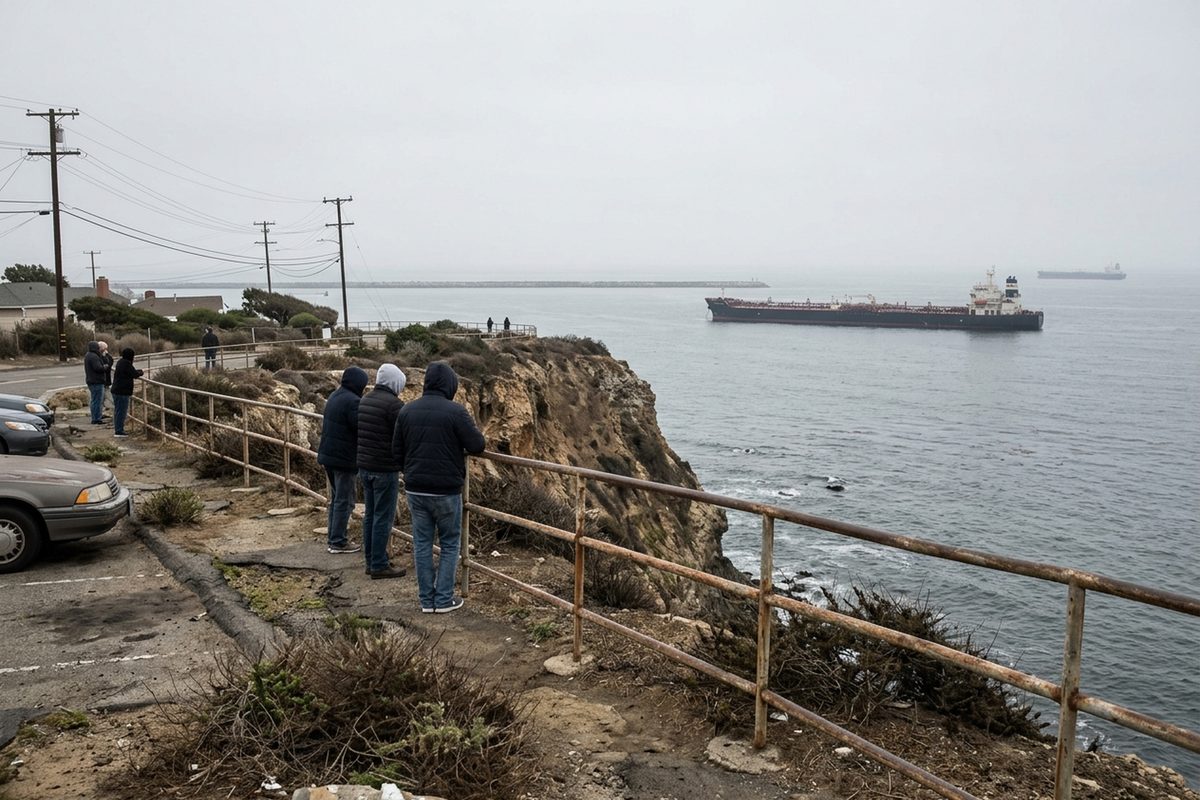
Twenty-two Indian sailors were rescued Saturday after an oil tanker caught fire, the United Arab Emirates' National Guard said. Britain's maritime trade monitor, UKMTO, logged more tanker strikes in the Strait of Hormuz on Saturday and Sunday.
Tankers in and around the narrow waterway are getting hit more often than at any point in the war. Maritime security sources counted at least 12 attacks on oil and gas tankers from Sept. 28 to Oct. 5, the highest weekly count since fighting between the U.S. and Iran started Feb. 28, Marine Insight reported. CNN reported that Tehran is ramping up the strikes to win back its hold on the strait, and that they're keeping crude above $100 a barrel.
The surge came right after oil started getting out. At the end of September, tankers were moving about 13.1 million barrels a day through Hormuz, according to Kpler shipping data cited by CNN. That's close to 80% of the roughly 17.1 million a day that crossed before the war.
Then the traffic thinned. Only seven tankers made the crossing on Tuesday, Kpler's data showed, the fewest since July 23. Analysts told CNN the attacks are rising in response to those bigger volumes.
Iran's own oil, meanwhile, isn't going anywhere. The U.S. has blockaded Iranian ports since July 14, and Central Command says it has turned back 135 ships since then, CBS News reported. September was the first month Iran loaded no crude at all since Kpler started tracking its exports in 2013, according to CNN.
Tehran's chief negotiator, Mohammed Bagher Ghalibaf, laid out the logic in late September. "In a region where we cannot sell oil, no one else will be able to sell oil either," he said, as quoted by CNN.
Iran is also acting like it decides who sails where. The navy of the Islamic Revolutionary Guard Corps claimed a supertanker blew up Saturday after striking a mine while leaving the strait on a route Tehran hadn't approved. On Sunday, ships anchored in UAE waters said they'd been ordered over the radio to move, UKMTO said.
The talks meant to end all this have stalled. Mohsen Rezaei, secretary of Iran's Supreme National Security Council, called the latest U.S. reply to Iran's seven conditions "insufficient" on Sunday and said Tehran had stopped responding, according to Iranian state media as cited by The New Arab. He said the strait won't reopen to the Americans until the conditions are met. Washington's position, per CNN, is that free passage through international waters isn't up for negotiation.
The war is spreading, too. Saudi aviation officials said a missile hit Riyadh's King Khalid International Airport on Saturday, killing at least 12 people, among them an American, and wounding 309. The Saudi-led coalition said another projectile hit the airport's domestic terminals Sunday. Saudi officials blame Yemen's Iran-backed Houthis, whose military spokesman claimed at least four attacks on the airport since Saturday, CBS News reported.
Schools across the Saudi capital moved classes online for a week, Al Jazeera reported.
President Trump said Thursday on Truth Social that the U.S. won't attack Iran before the Nov. 3 midterms. On Saturday, reporters asked whether the airport strike changed that, and he answered, "Well, we're gonna take a look."
Source: cnbc.com.
Source: marineinsight.com, retrieved October 11, 2026. Other sources: ktvz.com, CBS News, newarab.com, aljazeera.com.
Comments 0