 ™
™Trump Promised to Erase the Debt. He Added $11.6 Trillion.
The debt is past $40 trillion, and homebuyers are paying hundreds of dollars more a month in interest.
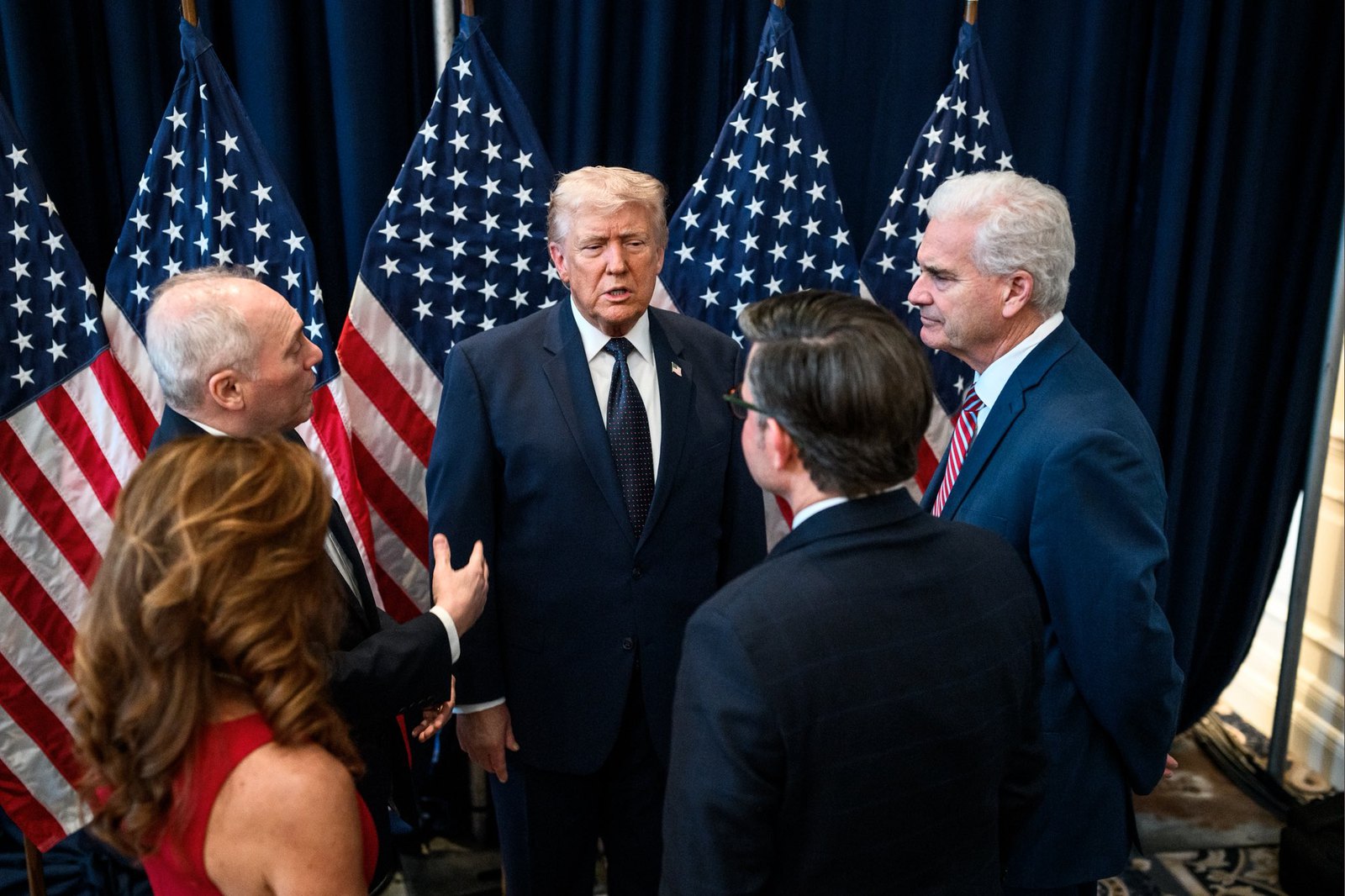
In 2016, Donald Trump told voters he would wipe out the entire federal debt within eight years. It's now above $40 trillion, more than twice what it was when he said it, and it has climbed $11.6 trillion across his years in office, Steven Greenhouse wrote in the Guardian on September 3, 2026.
The people covering that bet aren't the ones who booked it. Long-term interest rates sit at their highest in nearly two decades, Greenhouse writes. Mortgage rates went up with them, and that can mean several hundred dollars more in interest every month for anyone signing a home loan now.
Nearly half of the $4.4 trillion in tax cuts inside the 2025 reconciliation law went to the richest 5% of Americans, by his accounting.
My case rests on one thing: his signature.
The strongest argument against me is a real one, and I'd rather state it than duck it. Presidents don't run up the debt alone. Congress appropriates. The pandemic wrecked the baseline, and more than $2 trillion in emergency spending landed in his first term because no president was going to let the economy fall over in 2020.
So I'm not charging him with the whole $40 trillion. I'm charging him with the bill he signed, which is projected to add $3.4 trillion over the next decade. That one wasn't a virus. It was a choice, made by a man who had promised the opposite in public, on the record, with a deadline attached.
My own side doesn't come out of this clean either. The debt rose $8.4 trillion under Joe Biden, by Greenhouse's count, part of it inherited deficits and part of it his own pandemic spending. Bill Clinton was the last president to post an annual surplus. George W. Bush's two terms added $4.9 trillion, an 85% increase, behind upward-tilted tax cuts and the Iraq war. Greenhouse calls today's Republicans the party of fiscal irresponsibility, and the record he lays out earns the label.
Franklin Roosevelt pushed the debt to 106% of the economy to defeat Nazi Germany, Greenhouse notes, and the ratio is heading back past that wartime record. The comparison isn't flattering to anyone, and it's the right one to make, because it asks the only question that matters about borrowing: what did it buy? Roosevelt's bought a war he won. This one bought a tax table.
Then there's the meter running underneath all of it. Interest on the debt costs roughly $1 trillion a year right now, slightly less than the government spends on Medicare and more than this year's Pentagon budget. By the mid-2030s, it's projected to pass $2 trillion a year, per the same column.
Greenhouse ends by urging Democrats to campaign on the debt, and here's where I'd push back on my own side of the argument. Nobody feels $40 trillion. It's a number that slides off. A monthly payment that went up several hundred dollars doesn't slide off anything. Run the payment, not the total.
Whoever wins the midterms, that interest line still doubles by the mid-2030s. Put it next to the list of who got the tax cut.
Source: theguardian.com, retrieved September 6, 2026.
Comments 0